The gallbladder is a small organ beneath the liver that stores bile. Gallstones are hardened deposits that can form within the gallbladder. They can vary in size from tiny grains to larger stones that block bile flow, causing abdominal pain, nausea or jaundice. Surgery to remove the gallbladder (cholecystectomy) is a well-recognised treatment for gallstones. There can be selected situations when medical therapy is offered as an alternative.

For selected patients who are not suitable or unwilling to undergo surgery, medical therapy for gallstones offers a temporary, albeit less effective, alternative. This medical approach focuses on relieving symptoms, dissolving or fragmenting stones and reducing the risk of gallstone complications. Medical therapy is usually offered to the elderly or medically frail patients whom the surgical risk is too high and the anticipated life expectancy is relatively shorter. Individuals with less severe symptoms and small gallstones tend to respond better to medical therapy.
With careful monitoring and lifestyle adjustments, some patients can experience longer term relief and improved quality of life. However, ongoing medical follow-up is essential, as gallstones can recur or lead to complications if left unmanaged.
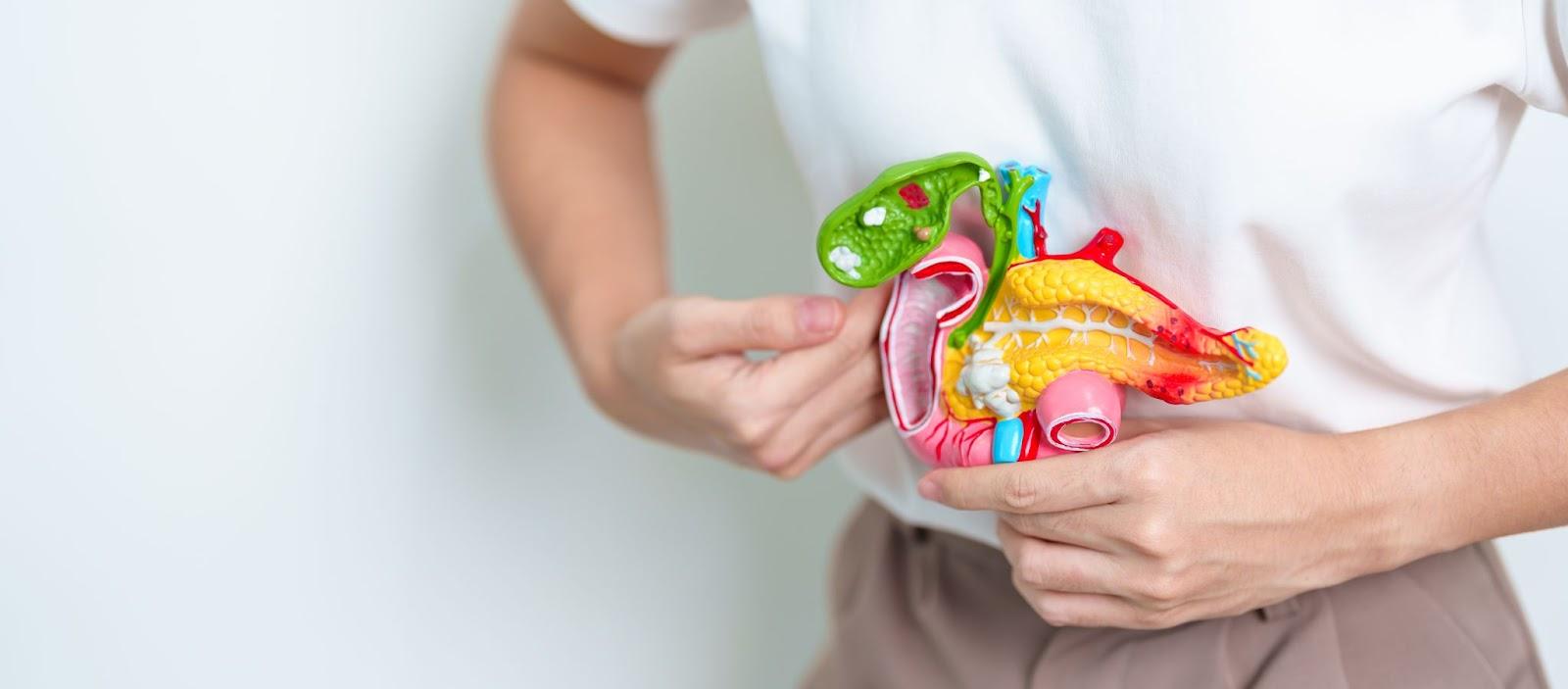
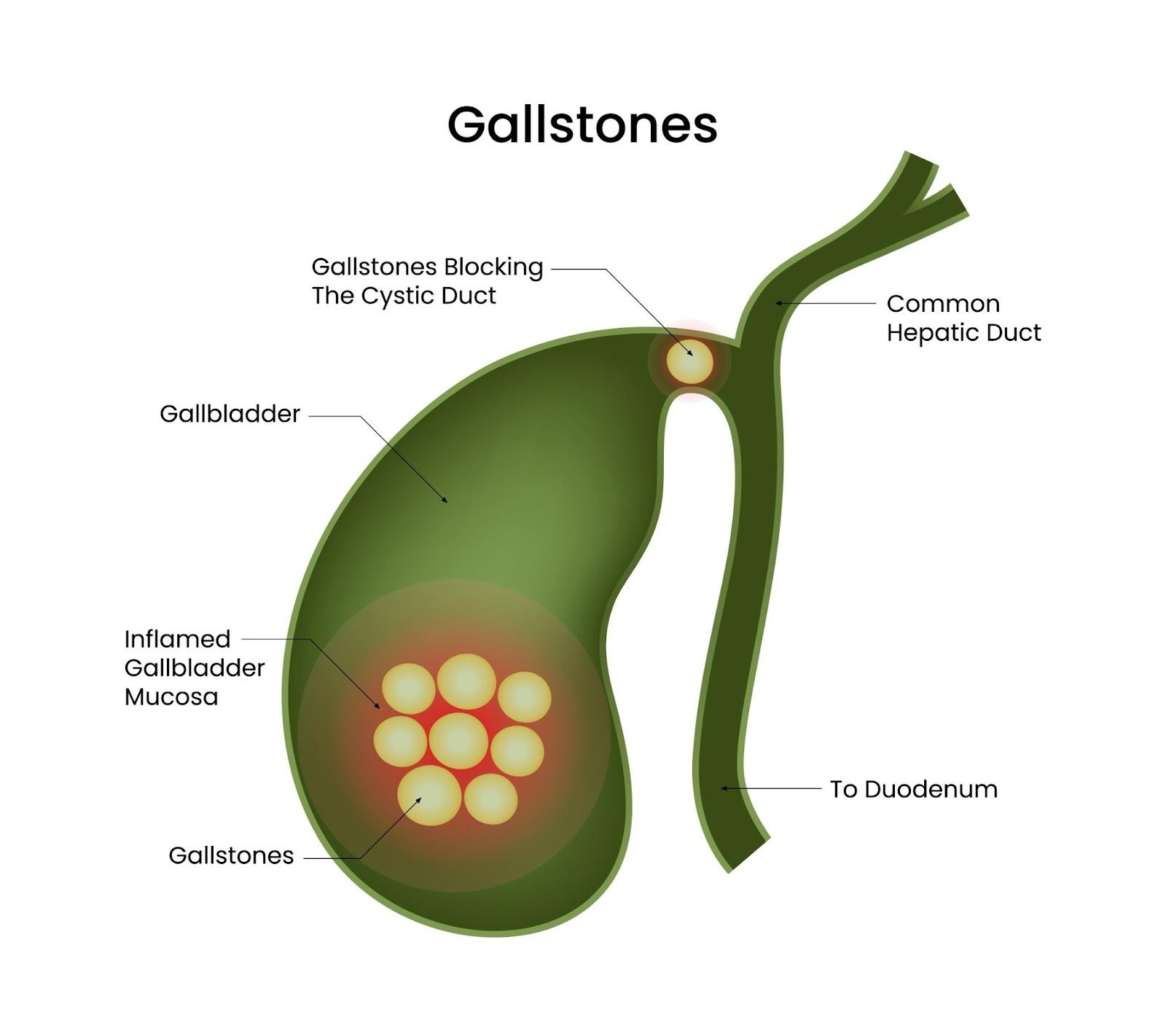
Gallstones are solid particles that develop in the gallbladder, a small organ responsible for storing bile — the digestive fluid that helps break down fats. These stones can range in size and number, forming when the chemical composition of bile becomes imbalanced. The two main types are:
Several factors increase the risk of gallstone formation. These include obesity, rapid weight loss, high-fat diets, elevated LDL levels in the blood, sedentary lifestyle and the female gender. Medical conditions such as diabetes, liver disease and haemolytic disorders can also contribute to stone development.
In many cases, gallstones remain silent and cause no symptoms. However, when they block the gallbladder, patients may experience biliary colic, manifesting as a sudden pain in the upper abdomen or right shoulder, often after meals. Other symptoms can include nausea, vomiting, bloatedness and jaundice. If left untreated, gallstones can lead to complications such as cholecystitis (inflammation of the gallbladder), pancreatitis or infection of the bile ducts, all of which require urgent medical care. Early evaluation and proper management will help to prevent these complications.
It is important to take note that a gallbladder removal surgery is the standard approach for the treatment of gallstones. Medical management, also known as non-surgical management, is only offered to a very select group of patients.
Non-surgical management is offered to patients with:
If gallstones are not causing significant pain or complications and are few in number or small in size, doctors may recommend a “watch and wait” approach. Lifestyle changes, dietary adjustments and oral bile acid therapy may help dissolve smaller stones and prevent new ones from forming.
Non-surgical treatment is not advisable if gallstones are causing repeated attacks of inflammation or obstruction. Patients with large or multiple stones, calcified gallbladders, jaundice or complications like acute cholecystitis or pancreatitis will not qualify for medical therapy and will require surgical removal of the gallbladder for lasting relief.
Several non-surgical options can help manage gallstones, depending on the size, number and composition of the stones, as well as the condition of the gallbladder. These approaches aim to relieve symptoms, dissolve stones, or reduce recurrence risk without the need for surgery.
Simple changes can make a significant difference. Patients are encouraged to maintain a balanced, low-fat diet, avoid skipping meals and drink sufficient water to support healthy bile flow. Gradual weight loss is preferred over rapid dieting, which can worsen gallstone formation. Regular exercise and managing cholesterol levels also play an important preventive role.
Certain medications, particularly ursodeoxycholic acid (UDCA) and chenodeoxycholic acid (CDCA), can help dissolve small cholesterol stones over several months. These bile acids work by reducing cholesterol saturation in bile and gradually breaking down the stones. Success depends on the stone’s size and composition, with better results seen in small, non-calcified stones. Long-term maintenance therapy may be needed to prevent recurrence.
In selected cases, doctors may use endoscopic or image-guided methods to remove or drain stones without undergoing surgery. Techniques such as endoscopic retrograde cholangiopancreatography (ERCP) allow removal of stones from the bile duct, while percutaneous cholecystostomy can temporarily drain an inflamed gallbladder in high-risk patients. These procedures are often used as bridging or supportive measures rather than permanent solutions.
Non-surgical management can be effective for selected patients, especially when the stones are small and cholesterol-based. Medication therapy with ursodeoxycholic acid (UDCA) can gradually dissolve stones in suitable cases, though treatment often takes several months and up to two years.
For patients with mild or no symptoms, observation and lifestyle changes can safely control the condition for years. However, stones can recur once medical treatment is discontinued, so regular follow-up is important. If symptoms worsen or complications develop, surgery may still be required for lasting relief.
Non-surgical management provides a safe alternative for patients who wish to avoid surgery or are unsuitable for surgery due to age or other medical conditions. It focuses on relieving symptoms, improving bile flow and slowing down gallstone formation without removing the gallbladder.
When carefully selected and closely monitored, the patients can experience symptom relief through medical therapy and lifestyle measures.
Despite its benefits, non-surgical treatment has certain constraints. Results take time, and not every type of gallstone responds well.
If gallstones cause persistent pain, infection or complications, surgery may still be required for long-term resolution. Regular reviews and imaging help determine when a change in treatment is necessary.
Lifestyle habits play an important role in preventing new gallstones from forming after treatment or surgery. Maintaining a healthy weight, eating balanced meals and staying active can greatly reduce recurrence risk.
While non-surgical treatment can help a minority of patients, most situations of gallstones require surgical removal of the gallbladder for lasting relief and safety. Recognising these signs early ensures prompt intervention before complications arise.
Even when surgery becomes necessary, minimally invasive techniques allow for smaller incisions, faster recovery and minimal discomfort, helping patients return to normal activities quickly and safely.
Gallstones are a common digestive condition that can in selected cases, can be managed safely without surgery, depending on their size, type and symptoms. Non-surgical gallstone management focuses on relieving discomfort, dissolving stones and preventing recurrence through medication, dietary adjustments and lifestyle changes. Oral bile acid therapy, such as ursodeoxycholic acid, can gradually dissolve small cholesterol stones, while endoscopic procedures offer additional options for selected patients. These treatments are particularly suitable for individuals with mild symptoms or those who are unfit for surgery. With regular follow-up and long-term care, many patients experience effective symptom control and improved quality of life while preserving gallbladder function.
If you are experiencing gallstone symptoms or want to explore non-surgical treatment options, schedule a consultation with Dr Aaron Poh for a thorough assessment and a personalised treatment plan tailored to your needs.

Dr Aaron Poh obtained his M.B.B.S (Bachelor of Medicine & Bachelor of Surgery) from the National University of Singapore in 2004. He then entered the MOH General Surgical training programme in 2006 and obtained his Fellowship from the Royal College of Surgeons of Edinburgh (F.R.C.S Edinburgh) in 2015. He was also accepted into the Colorectal Fellowship programme in the Queen Elizabeth Hospital in Birmingham, UK in 2014. His special interest is in minimally invasive colorectal cancer surgery and exenterative surgery for advanced cancers.


Patients are advised to have a consultation with our Surgical Specialist, Dr Aaron Poh to first understand your condition and concerns. After referring you to the appropriate screening tests, he will advise you of your diagnosis and treatment options after the tests and scopes


Copyright © Gallstones Doctor Singapore by Alpine Surgical Practice | Terms & Conditions

Copyright © Gallstones Doctor Singapore by Alpine Surgical Practice | Terms & Conditions