Bile duct stones, also known as choledocholithiasis, occur when gallstones migrate from the gallbladder into the common bile duct — the passage that carries bile from the liver and gallbladder to the small intestine. These stones can obstruct bile flow, leading to jaundice, infection or inflammation of the pancreas, and require prompt medical attention to prevent serious complications.

Endoscopic Retrograde Cholangiopancreatography (ERCP) is a specialised, minimally invasive procedure used to diagnose and remove bile duct stones without the need for open surgery.
It combines endoscopy and X-ray imaging to locate the blockage, which allows the doctor to remove stones or place a stent to restore normal bile drainage.
ERCP is performed by specialists experienced in advanced endoscopic procedures. Using real-time imaging and fine instruments, the procedure allows precise removal of bile duct stones while maintaining patient comfort and safety. Timely diagnosis and treatment are important, as untreated stones can cause infection, liver irritation or pancreatitis. ERCP serves both a diagnostic and therapeutic role, helping restore normal bile flow and relieve symptoms with minimal downtime.
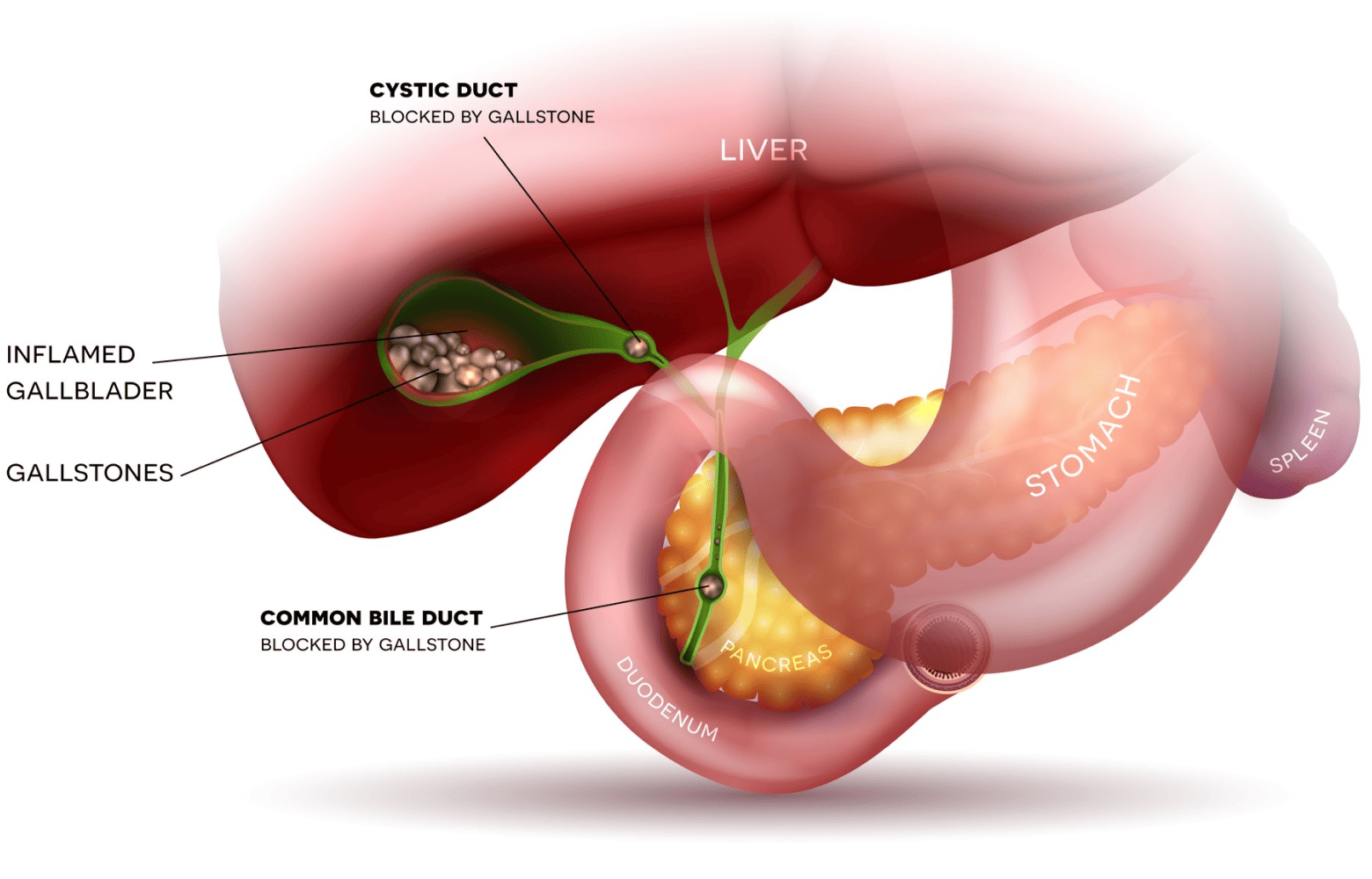
Bile duct stones, or choledocholithiasis, develop when gallstones move from the gallbladder into the common bile duct — the channel that drains bile from the liver and gallbladder into the small intestine. In some cases, stones may also form directly within the bile duct itself, especially if bile flow is sluggish or there is an underlying narrowing.
These stones often occur in people who already have gallstones, but other factors such as previous gallbladder surgery, bile duct strictures and certain liver or metabolic conditions can also increase the risk.
Common symptoms include upper abdominal pain, nausea, jaundice, dark urine or pale stools. Some patients may also experience fever and chills if infection develops. When left untreated, bile duct stones can lead to serious complications such as cholangitis (infection of the bile duct), biliary obstruction or pancreatitis, all of which require urgent medical care.
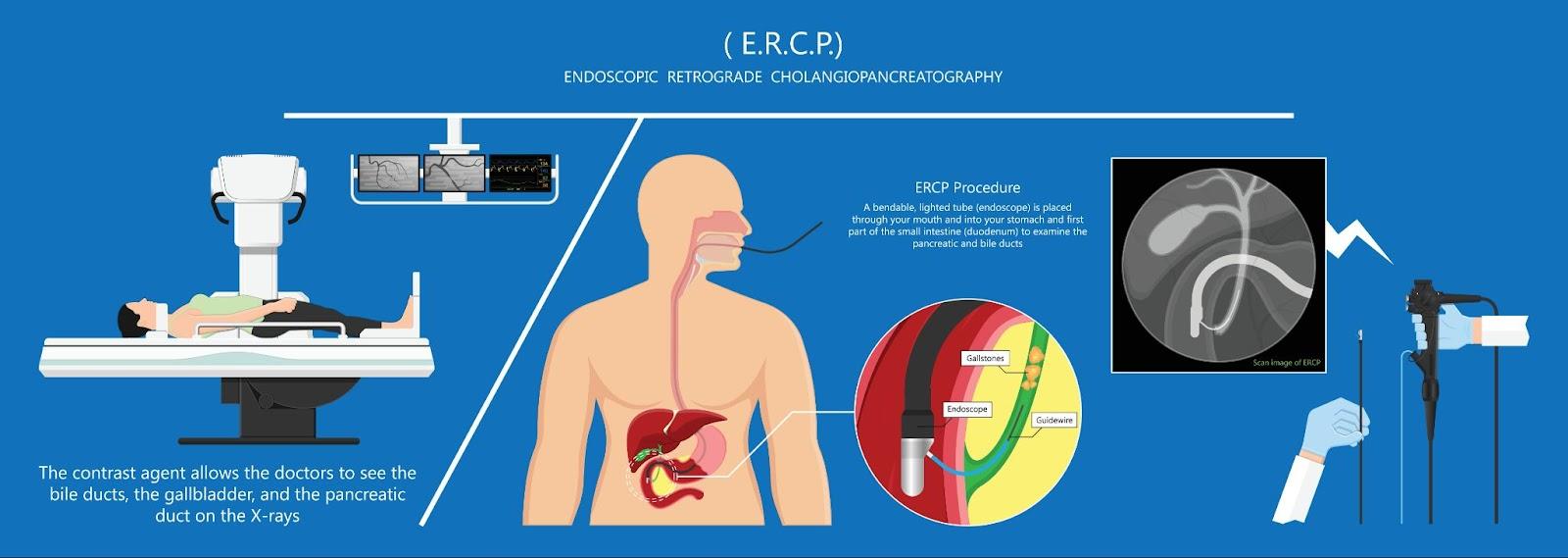
ERCP, short for Endoscopic Retrograde Cholangiopancreatography, is a procedure that allows doctors to both identify and treat blockages in the bile or pancreatic ducts during the same session. It’s most often used when bile duct stones are suspected to be causing jaundice, infection, or abdominal pain.
Unlike imaging scans such as ultrasound or MRCP, ERCP not only shows the obstruction but also enables immediate treatment, such as removing stones or inserting a stent to restore normal bile flow.
ERCP is performed under sedation or light anaesthesia to ensure comfort. The procedure typically takes 30 to 60 minutes and is carried out using a flexible endoscope and X-ray guidance to access and clear the bile ducts safely.
This method allows both diagnosis and treatment in one procedure, providing effective relief from bile duct obstruction with minimal recovery time.
ERCP is recommended when bile duct stones cause symptoms or complications that require immediate relief of obstruction.
In most patients, however, ERCP remains the preferred and safest primary treatment approach for bile duct stones, offering fast symptom relief and a short recovery period.
ERCP offers a safe and effective way to treat bile duct stones without the need for open surgery. As a minimally invasive procedure, it provides both diagnosis and treatment in one session, reducing the need for multiple tests or hospital visits.
While ERCP is generally safe, it is a specialised procedure that carries certain risks, particularly in patients with inflamed or narrowed bile ducts.
At Alpine Surgical Practice, ERCP is performed by trained specialists using detailed imaging and precision instruments. Careful patient selection, gentle technique and close monitoring before and after the procedure help ensure safety and the best possible outcomes.
Proper preparation helps ensure the procedure is safe and smooth. Your doctor will provide specific instructions before your appointment, which usually include fasting, reviewing medications, and arranging for post-procedure care.
After ERCP, patients are monitored as the sedation wears off. Mild bloating or a sore throat is common and usually short-lived. Most people recover quickly and can return home the same day or after an overnight stay if needed.
Most patients recover smoothly after ERCP, but certain symptoms may indicate a complication and require prompt medical attention. It’s important to monitor your condition closely in the first few days following the procedure.
Contact your doctor immediately if you experience:
These symptoms may suggest pancreatitis, infection or bleeding after the procedure. Early evaluation allows timely treatment and prevents serious complications.
At Alpine Surgical Practice, patients are given clear aftercare instructions and emergency contact details to ensure safe recovery and peace of mind after ERCP.
Endoscopic Retrograde Cholangiopancreatography (ERCP) is a minimally invasive procedure used to diagnose and treat bile duct stones that obstruct the normal flow of bile. It offers both diagnostic clarity and therapeutic relief in a single session, helping to remove stones, restore bile drainage and prevent serious complications such as jaundice, cholangitis or pancreatitis. With careful preparation, skilled execution, and close post-procedure monitoring, most patients recover quickly and resume normal activities within a short time.
If you are experiencing symptoms such as jaundice, abdominal pain or unexplained digestive discomfort, schedule a consultation with Dr Aaron Poh to discuss whether ERCP is the right treatment for your bile duct stones and receive expert, personalised care.

Dr Aaron Poh obtained his M.B.B.S (Bachelor of Medicine & Bachelor of Surgery) from the National University of Singapore in 2004. He then entered the MOH General Surgical training programme in 2006 and obtained his Fellowship from the Royal College of Surgeons of Edinburgh (F.R.C.S Edinburgh) in 2015. He was also accepted into the Colorectal Fellowship programme in the Queen Elizabeth Hospital in Birmingham, UK in 2014. His special interest is in minimally invasive colorectal cancer surgery and exenterative surgery for advanced cancers.


Patients are advised to have a consultation with our Surgical Specialist, Dr Aaron Poh to first understand your condition and concerns. After referring you to the appropriate screening tests, he will advise you of your diagnosis and treatment options after the tests and scopes


Copyright © Gallstones Doctor Singapore by Alpine Surgical Practice | Terms & Conditions

Copyright © Gallstones Doctor Singapore by Alpine Surgical Practice | Terms & Conditions