Gallbladder Polyps

Book Appointment

The gallbladder

By delivering bile at the right time and in the right amount, the gallbladder supports smooth digestion and helps the body absorb fat-soluble nutrients.

Most people are unaware of their gallbladder when it is functioning normally. However, when bile flow is disrupted — commonly due to gallstones or inflammation (link to gallbladder inflammation page) — digestion can become uncomfortable, with symptoms often triggered after fatty or oily foods.
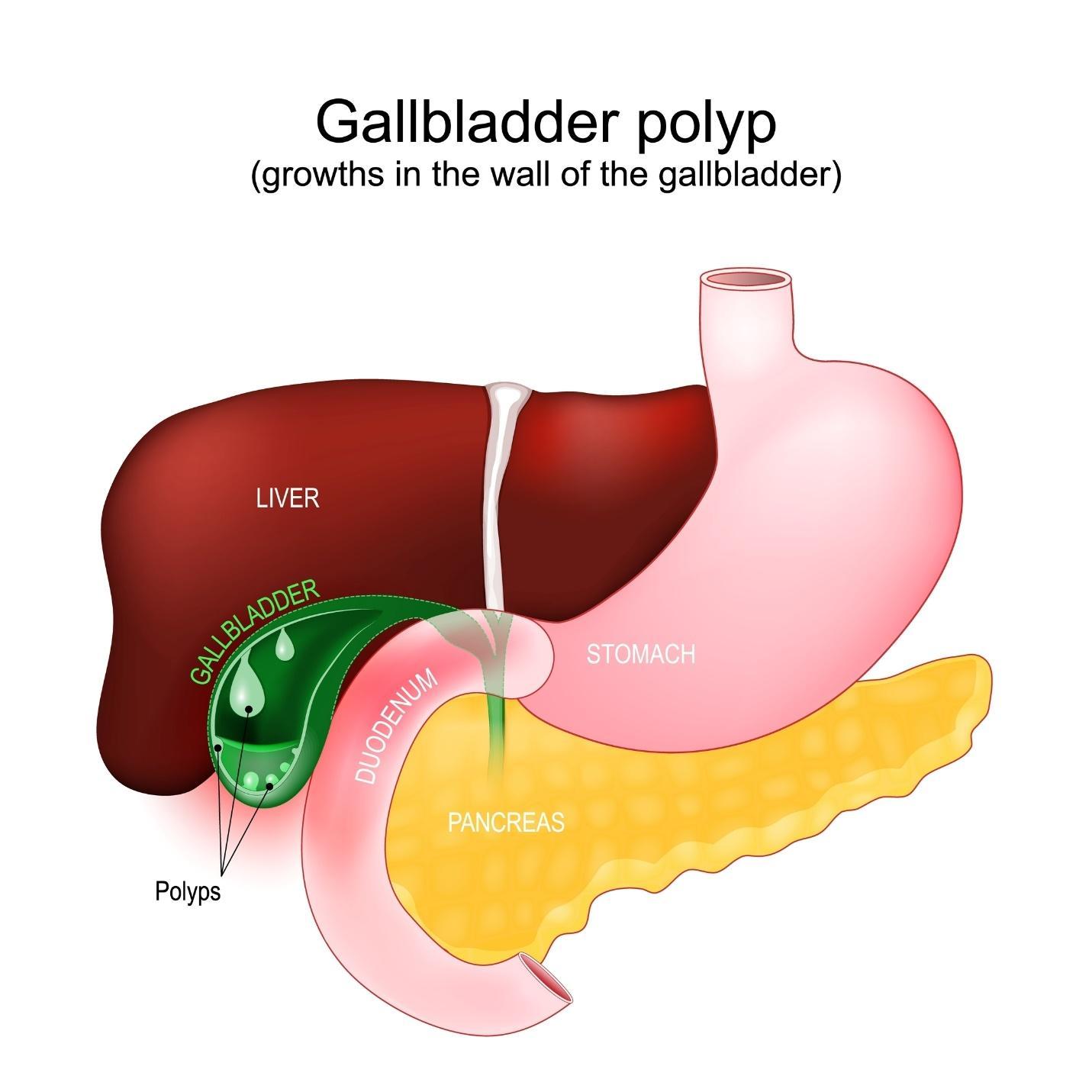
What are the types of gallbladder polyps?

Not all gallbladder polyps behave the same way. Some are harmless deposits that never grow, while others develop due to inflammation or changes in the gallbladder lining. Each type carries its own characteristics and level of concern, such as:

  • Cholesterol polyps – the most common type, cholesterol polyps are made of cholesterol deposits in the gallbladder wall. They are usually small, benign and rarely cause symptoms.
  • Inflammatory polyps – these polyps develop due to chronic inflammation in the gallbladder lining. While generally non-cancerous, they can sometimes lead to discomfort or gallbladder irritation.
  • Adenomas – adenomas are growths of glandular tissue and carry a small risk of becoming cancerous. Polyps larger than 10 mm or showing rapid growth are usually removed surgically.
  • Hyperplastic polyps – these result from abnormal overgrowth of gallbladder lining cells. Most are benign, but monitoring is advised to watch for changes over time.

What causes gallbladder polyps?

The condition can develop for several reasons. These growths form when changes occur in the gallbladder lining or when certain substances accumulate inside the organ. The underlying mechanisms vary depending on the type of polyp, but they include:
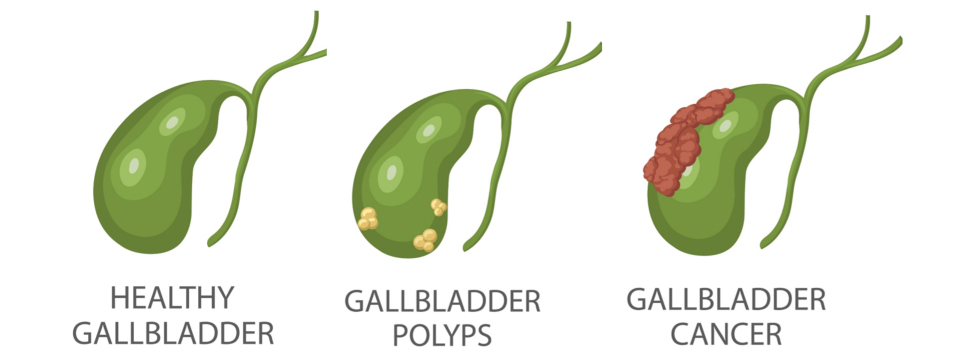
  • Cholesterol deposition – some polyps form when cholesterol becomes trapped within the gallbladder lining instead of being properly dissolved in bile. Over time, this buildup creates small, mound-like protrusions. These are the most common types and are typically harmless because they do not involve abnormal cell growth.
  • Inflammatory changes – longstanding irritation of the gallbladder wall, often due to repeated episodes of inflammation or gallstones, can cause localised thickening of tissue. This leads to inflammatory polyps, which behave like scar tissue rather than true tumours. They form as the gallbladder tries to repair itself.
  • Excessive cell growth – in some cases, cells in the gallbladder lining multiply more actively than usual, forming adenomas. These polyps involve genuine tissue overgrowth and are considered true neoplastic growths. While most remain benign, the increased cell turnover means a small chance of progressing to cancer if it is left unchecked.
  • Underlying systemic conditions – certain metabolic or genetic conditions can alter the way the gallbladder processes cholesterol or regenerates tissue. This imbalance may promote the formation of polyps. Although less common, these mechanisms highlight why some individuals develop polyps even without gallstones or inflammation.

What are the symptoms of gallbladder polyps?

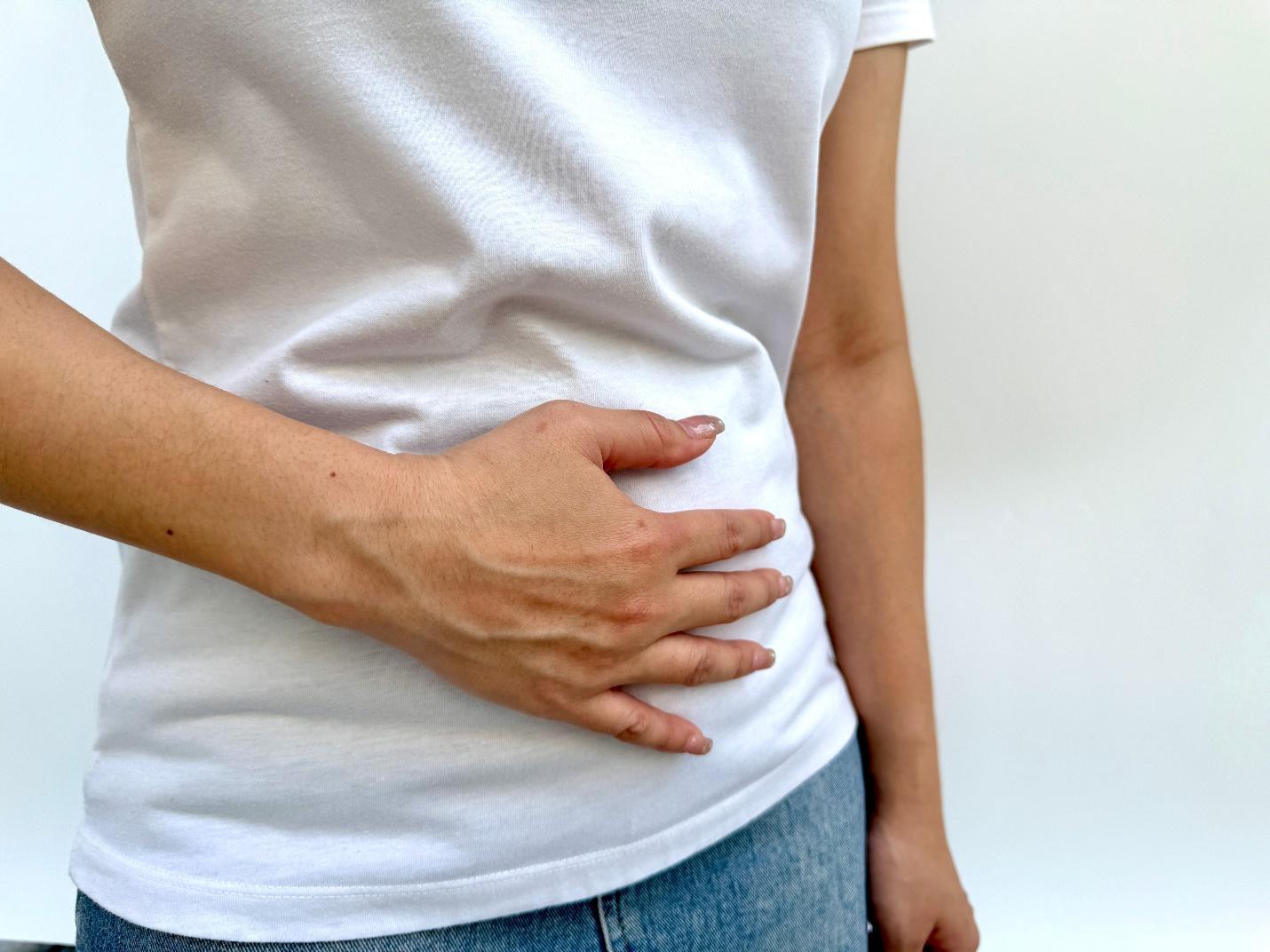
Many people with gallbladder polyps do not experience any symptoms. When symptoms occur, they are usually mild and non-specific. They can include:

  • Occasional upper abdominal discomfort
  • Indigestion or bloating, especially after fatty meals
  • Nausea in some cases

Who is at risk of developing Gallbladder Polyps?

While gallbladder polyps can occur in anyone, several factors make them more likely. These risks vary from metabolic influences to natural ageing changes. You are more likely to develop these growths if you:

  • Age – the likelihood of polyps increases with age because cells in the gallbladder lining naturally undergo more cycles of regeneration over time. This creates more opportunities for small growths to appear.
  • Gender – men tend to develop gallbladder polyps more often than women. This may be linked to differences in cholesterol metabolism and bile composition, making deposits or small growths more likely to form in the gallbladder wall.
  • Family history – a genetic tendency plays a role for some individuals. Differences in how bile is processed or how gallbladder cells regenerate can be inherited, making polyps more likely to develop over time.
  • Chronic gallbladder inflammation – repeated irritation from gallstones or infections can thicken the gallbladder lining. This chronic inflammation encourages the growth of inflammatory polyps as part of the gallbladder’s ongoing repair process.
  • Metabolic syndrome – conditions such as diabetes, insulin resistance and obesity influence how the body handles fats and cholesterol. These metabolic changes can alter bile chemistry and increase the formation of cholesterol-rich polyps.
  • High cholesterol levels – elevated cholesterol affects the composition of bile, making it more prone to forming cholesterol deposits. These deposits can accumulate in the gallbladder lining and evolve into cholesterol polyps.

What are the risks and complications of Gallbladder Polyps?

Most gallbladder polyps are harmless and remain small for years, but some can cause problems depending on their size, type or rate of growth. Early identification helps prevent these complications and ensures that polyps with worrying features are treated promptly:
  • Potential blockage of bile flow – polyps growing near the gallbladder neck or cystic duct may obstruct the flow of bile. This can trigger symptoms that resemble gallstone attacks, including pain, nausea or inflammation of the gallbladder.
  • Chronic gallbladder irritation – larger or multiple polyps may irritate the gallbladder lining. Over time, this can lead to chronic inflammation, discomfort after meals or repeated episodes of biliary colic.
  • Difficulty distinguishing benign from malignant growths – some polyps, especially those larger than 1 cm, share features with early gallbladder cancer on imaging. This uncertainty often leads to closer surveillance or surgical removal to ensure patient safety.

Can Gallbladder Polyps progress to cancer?

Although the vast majority of polyps are benign, a small number, particularly larger adenomas, have the potential to become cancerous. This happens when abnormal cell growth continues unchecked and undergoes further genetic changes.

The risk increases with:

  • Polyp size, especially those 10mm or larger
  • Rapid growth over time
  • Certain polyp types, such as adenomas
  • Coexisting gallbladder conditions, like chronic inflammation

Gallbladder cancer is rare but often detected late because symptoms are subtle in the early stages. This is why doctors closely monitor polyps with higher-risk features and may recommend removal as a precaution.

How are Gallbladder Polyps diagnosed in Singapore?

Most gallbladder polyps are discovered incidentally, often during scans performed for abdominal discomfort or routine health checks. Because symptoms are not always obvious, diagnosis relies heavily on imaging and clinical assessment to determine whether a polyp is harmless or requires closer follow-up.

The aim is to understand the polyp’s size, appearance and behaviour over time so that any worrying changes are detected early.

  • Medical history and symptom review – our doctor will begin by discussing any symptoms that could be related to gallbladder disease, such as discomfort after meals, nausea or episodes resembling biliary colic. Even if symptoms are mild or vague, this discussion helps determine whether the polyp might be contributing to your digestive issues.
  • Physical examination – although small polyps usually cannot be felt during an examination, our doctor will check for signs of gallbladder irritation or tenderness in the upper right abdomen. This step also helps rule out other sources of abdominal pain.
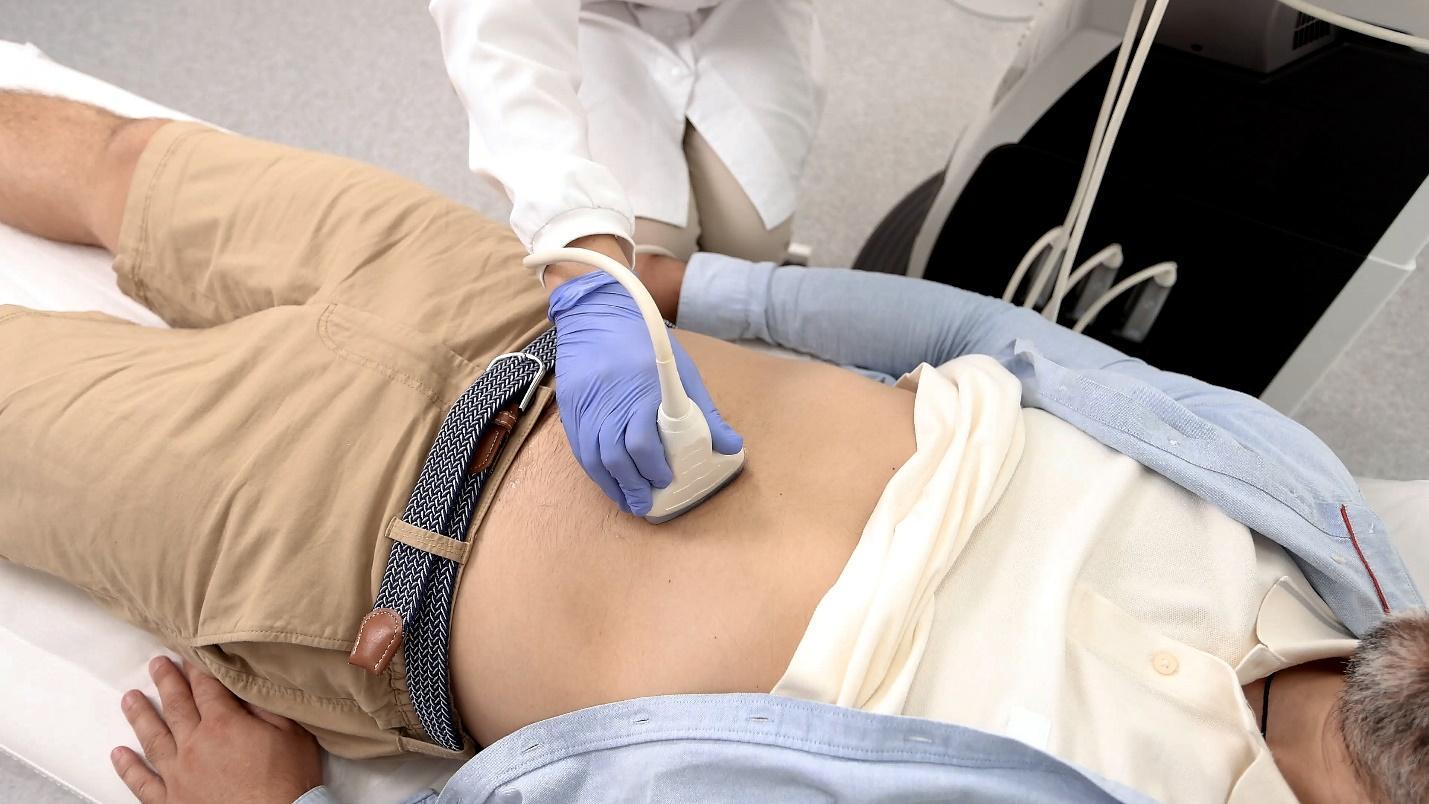
  • Ultrasound scan – ultrasound is the most common and reliable method for detecting gallbladder polyps. It allows doctors to assess:
    • The size of the polyp
    • Whether it is single or multiple
    • Its shape and attachment, such as whether it is sessile (flat) or pedunculated (on a stalk)
    • Any coexisting issues, such as gallstones or gallbladder wall thickening

Because ultrasound is safe, accurate and non-invasive, it is also used for follow-up imaging to monitor any change in size.

  • High-resolution or specialised imaging – in cases where ultrasound results are unclear or when a polyp appears larger or more complex, doctors may recommend further imaging:
    • Endoscopic ultrasound (EUS) provides detailed, close-up images of the gallbladder
    • Computed Tomography (CT) or magnetic resonance imaging (MRI) scans useful for evaluating surrounding structures and excluding complications

These advanced scans help differentiate benign polyps from those that may carry a higher risk.

  • Monitoring and follow-up protocol – if the polyp is small and low-risk, regular monitoring is advised rather than immediate treatment. Follow-up intervals typically depend on size:
    • Polyps under 6 mm usually monitored every 1 to 2 years
    • Polyps 6 to 9 mm monitored every 6 to 12 months
    • Polyps 10 mm or larger often recommended for surgical removal due to a higher chance of malignant potential

This structured approach ensures that any concerning changes are detected early while avoiding unnecessary procedures for harmless polyps.

How are Gallbladder Polyps treated in Singapore?

The management of gallbladder polyps depends largely on the size, appearance and behaviour of the polyp. Many polyps are harmless and never cause symptoms, so treatment does not always mean surgery.

Instead, the goal is to ensure that higher-risk polyps are addressed promptly while low-risk ones are safely observed through structured monitoring.
Dr Aaron Poh will typically outline a treatment plan that entails a combination of treatments, such as:

Observation and monitoring

  • Regular ultrasound follow-up – polyps smaller than 10 mm are typically monitored using a schedule tailored to their size and appearance. Ultrasound is used to check whether the polyp is stable, shrinking or growing. Slow-growing or unchanged polyps are generally reassuring.
  • Symptom-guided review – even if scans are stable, any new symptoms such as upper abdominal discomfort, nausea or pain after meals warrant a review. This helps ensure the polyp has not changed in behaviour or contributed to bile flow issues.
  • Risk-based adjustments – monitoring intervals may be shortened if you have additional risk factors such as age above 50, rapid polyp growth or coexisting gallstones. These factors slightly increase the concern that a polyp may evolve, so closer surveillance is preferred.

Surgical treatment

A cholecystomy becomes appropriate when a polyp shows features linked to higher malignancy risk, which include:

  • The polyp measures 10 mm or more
  • There is rapid growth on follow-up scans
  • Symptoms such as pain or indigestion are present
  • The polyp appears sessile (broad-based) or irregular
  • There is a strong family history of gallbladder cancer
  • Gallstones coexist with the polyp

Depending on the severity of your condition, our doctor may either opt for one of the following surgical approaches:

  • Laparoscopic cholecystectomy – most patients undergo minimally invasive laparoscopic surgery (link to laparoscopic gallbladder removal). This technique uses small incisions and a camera, offering faster recovery and shorter hospital stay. It is considered safe, effective and the standard treatment when removal is indicated.
  • Open cholecystectomy – in rare instances, such as severe inflammation, unusual anatomy or previous multiple surgeries, an open procedure may be recommended. This allows the surgeon more room to operate safely. While recovery takes longer, it is reserved for situations where it provides the safest outcome.

Supportive measures

  • Dietary adjustments – reducing fatty, greasy or oily foods may lessen discomfort triggered by gallbladder contraction. Smaller, more frequent meals are sometimes better tolerated.
  • Symptom management – pain relief and anti-nausea medications may be used short-term if symptoms arise. These are not long-term solutions but can help stabilise discomfort while further evaluation is underway.

Managing coexisting conditions – when inflammation is detected or suspected, antibiotics or anti-inflammatory medications may be prescribed to calm the gallbladder before surgery. This reduces the risk of complications and improves surgical safety.
Summary

Gallbladder polyps are usually harmless, but some can grow, change or behave in ways that raise concern. Early evaluation helps determine if a polyp needs simple monitoring or surgical removal. With the right guidance, most people can manage their condition confidently and protect their long-term health.

If you have been told you have a gallbladder polyp or are experiencing symptoms, it is best not to wait. A proper assessment can determine whether your polyp is benign or requires treatment. Speak with Dr Aaron Poh for personalised advice and timely care.

Frequently Asked Questions (FAQs)

Yes. Many are found incidentally during routine health screenings and most turn out to be benign.
Small polyps usually do not affect digestion. If the gallbladder is inflamed or not functioning well, you may experience bloating or indigestion.
Pregnancy does not directly cause polyps, but hormonal changes can influence gallbladder function. Our doctor may suggest monitoring if a polyp is already present.
They appear as small growths that protrude from the gallbladder wall. Unlike gallstones, polyps do not cast shadows and do not move when you change position.
This depends on the size and appearance of the polyp. Our doctor will recommend an interval that ensures safe monitoring.
Yes. Small stones stuck to the gallbladder wall may look similar, which is why careful imaging and follow-up are important.
Growth varies. Many remain stable for years, while some may increase in size over time. Any noticeable growth during follow-up increases the need for closer monitoring.
Diet does not reduce the size of polyps, but maintaining a balanced diet supports overall gallbladder health.
Some cholesterol polyps can decrease or resolve over time, but many remain unchanged. Regular scans help confirm their behaviour.
Yes. Most people can continue normal activities unless they develop symptoms such as persistent abdominal pain or vomiting.
Most people live their entire lives without issues. Only polyps with suspicious features or rapid growth pose concern and require treatment.
No. Very small polyps that remain stable over time may eventually be discharged from surveillance, depending on our doctor’s assessment.

Dr Aaron Poh

Consultant General Surgeon
MBBS (Singapore), MRCS (Edinburgh), FRCS (Edinburgh), Master of Medicine (Surgery)

Dr Aaron Poh obtained his M.B.B.S (Bachelor of Medicine & Bachelor of Surgery) from the National University of Singapore in 2004. He then entered the MOH General Surgical training programme in 2006 and obtained his Fellowship from the Royal College of Surgeons of Edinburgh (F.R.C.S Edinburgh) in 2015. He was also accepted into the Colorectal Fellowship programme in the Queen Elizabeth Hospital in Birmingham, UK in 2014.  His special interest is in minimally invasive colorectal cancer surgery and exenterative surgery for advanced cancers.


Patients are advised to have a consultation with our Surgical Specialist, Dr Aaron Poh to first understand your condition and concerns. After referring you to the appropriate screening tests, he will advise you of your diagnosis and treatment options after the tests and scopes

    Follow Us On

    Copyright © Gallstones Doctor Singapore by Alpine Surgical Practice |  Terms & Conditions

    Copyright © Gallstones Doctor Singapore by Alpine Surgical Practice |  Terms & Conditions

    arrow-down