The gallbladder stores and concentrates bile produced by the liver. Its role is to release this bile into the small intestine when you eat, especially during meals containing fat.

By delivering bile at the right time and in the right amount, the gallbladder supports smooth digestion and helps the body absorb fat-soluble nutrients.
Most people are unaware of their gallbladder when it is functioning normally. However, when bile flow is disrupted — commonly due to gallstones or inflammation — digestion can become uncomfortable, with symptoms often triggered after fatty or oily foods.
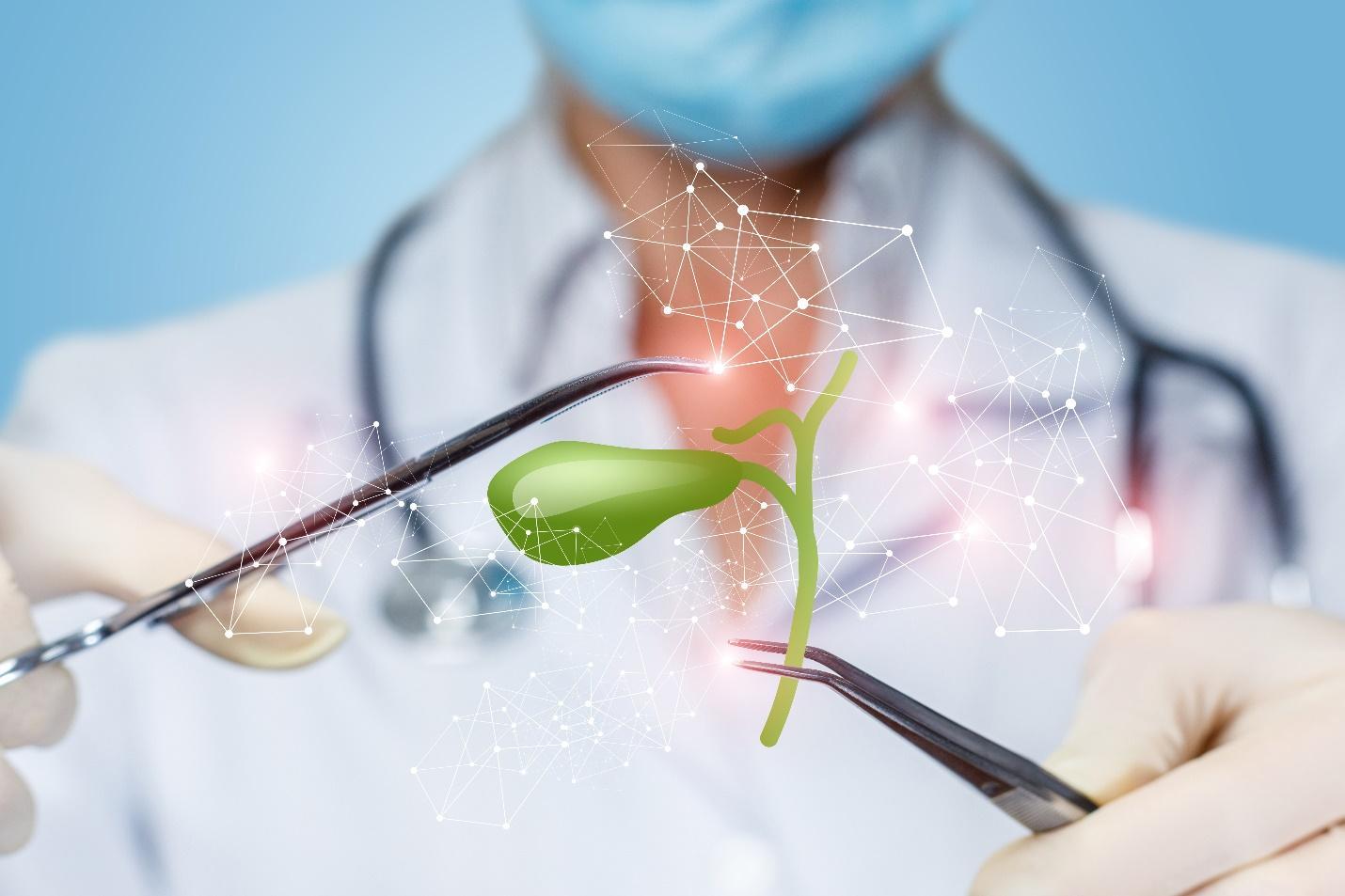
The digestive process is a coordinated and step-by-step process involving multiple organs and the gallbladder plays a small but meaningful role within that system. While the stomach and intestines often get the most attention, the gallbladder quietly supports efficient digestion by handling and delivering bile at the right time. Its involvement becomes especially important when fatty meals are consumed, as fats require more complex processing.
Bile is essential for breaking down fats, but the liver continuously produces it, even when you are not eating. Without somewhere to store this steady supply, bile would constantly drip into the intestine whether it is needed or not.
This is when the gallbladder steps in as a reservoir:
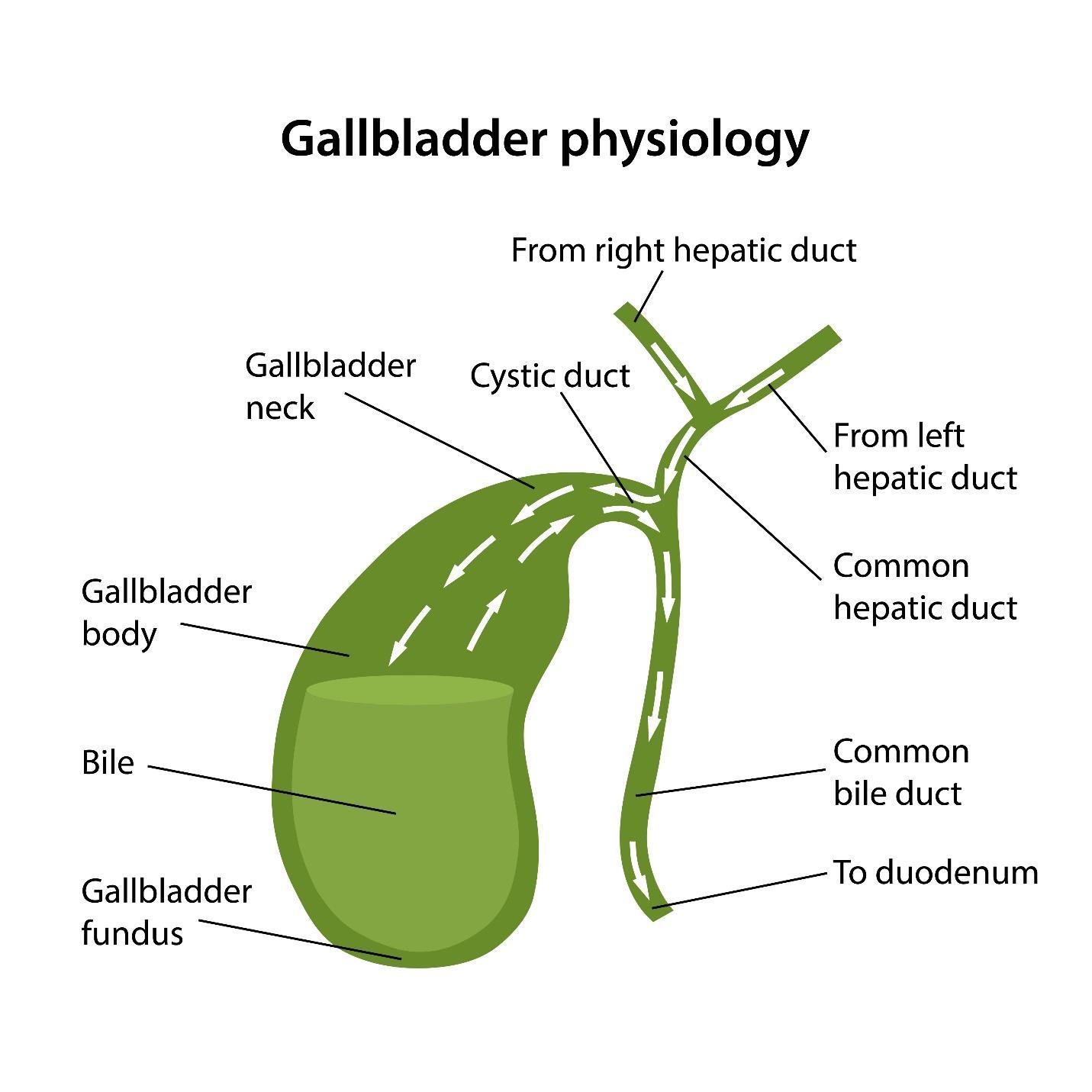
Bile is essential for breaking down fats, but the liver continuously produces it, even when you are not eating. Without somewhere to store this steady supply, bile would constantly drip into the intestine whether it is needed or not.
This is when the gallbladder steps in as a reservoir:
While resting between meals, the gallbladder continuously absorbs water and electrolytes from the bile it holds. This process gradually thickens the fluid.
Bile concentration is important because:
Digestion is guided by a network of hormones and the cholecystokinin (CCK) hormone is one of the most important for gallbladder function. When you eat, the hormone triggers the system to “activate,” such as:
The timing ensures that bile is present exactly when fats arrive in the intestine, improving digestion and preventing symptoms like bloating or indigestion.
Once released, bile plays a central role in breaking down fat molecules:
Without this bile-driven process, your body would struggle to absorb essential nutrients, even if the rest of your digestive organs were functioning normally.
Another subtle but important digestive role is preventing the small intestine from being overwhelmed.
Because the liver produces bile continuously, allowing all of it to drain into the intestine at once would interfere with the delicate balance of digestive fluids and enzymes. By capturing and storing this bile, the gallbladder keeps the digestive tract regulated rather than flooded.
This coordinated control:
Even when you are not eating, the gallbladder supports digestive health:
This helps stabilise digestion and prevents symptoms like abdominal discomfort or diarrhoea.
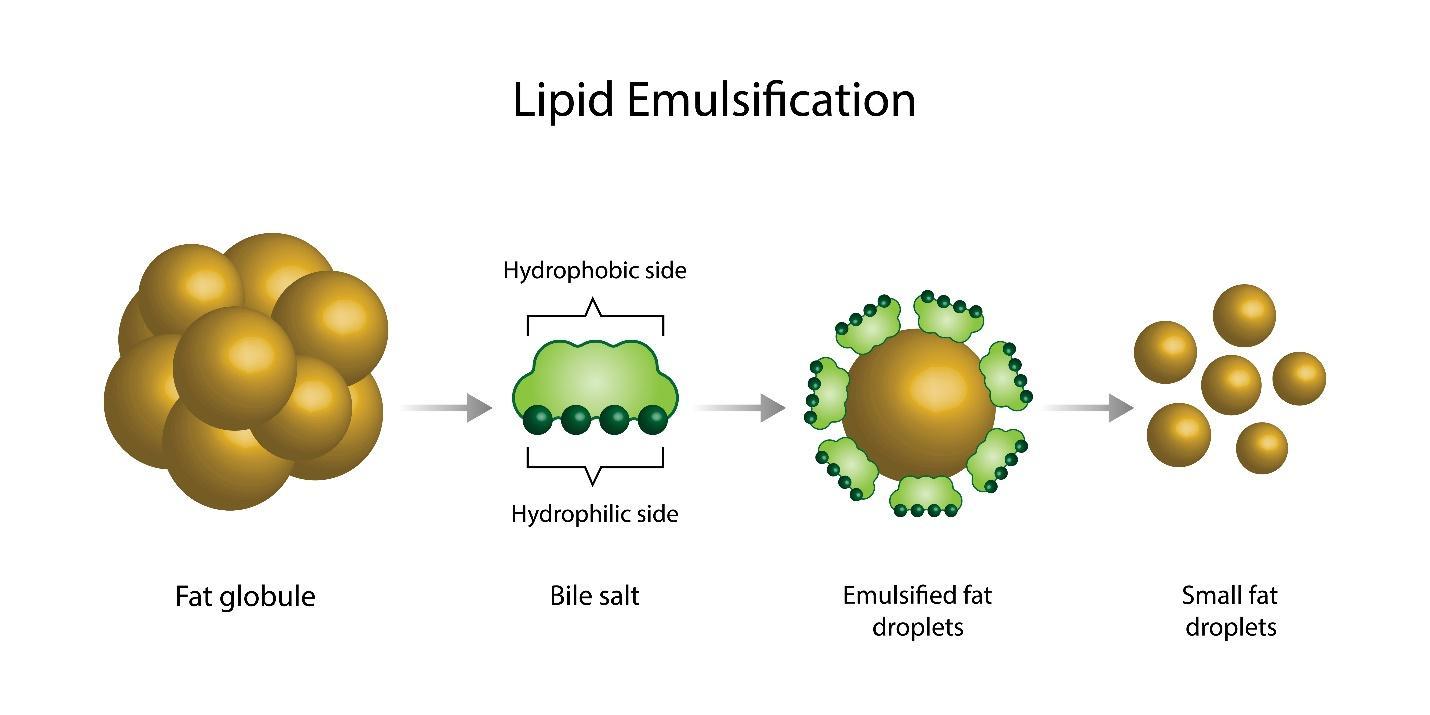
Bile is a specialised digestive fluid, essential for breaking down dietary fats and facilitating the absorption of key nutrients. While the liver produces bile continuously, it only becomes fully effective when stored, concentrated and released at the right moment. Beyond aiding fat digestion, bile also plays a crucial role in:
Bile is a complex mixture of substances, each serving a unique purpose in digestion and metabolic waste removal. This includes:
When the gallbladder does not contract normally or when bile flow slows down, several digestive issues can occur:
The following table outlines key factors that can impair gallbladder function and how each one affects bile flow or gallbladder motility.
| Factor | How it affects gallbladder function | |
| Gallstones | Block the gallbladder or bile ducts, preventing normal contraction and bile flow. | |
| Inflammation (cholecystitis) | Swelling of the gallbladder wall reduces its ability to empty effectively. | |
| Bile sludge | Thickened bile or tiny crystals slow drainage and increase the risk of stone formation. | |
| Poor gallbladder motility (biliary dyskinesia) | Weak or poorly coordinated contractions limit proper bile release. | |
| Hormonal changes | Oestrogen and progesterone slow gallbladder emptying, especially during pregnancy or hormone therapy. | |
| Rapid weight loss or prolonged fasting | Reduced gallbladder contractions cause bile to stagnate and thicken. | |
| High-fat diets | Frequent oily meals strain the gallbladder and may trigger symptoms in susceptible individuals. | |
| Metabolic conditions |
| |
| Liver or bile duct disorders | Impaired bile production or obstruction upstream affects gallbladder function indirectly. | |
| Infections | Bacterial infection in the biliary tract worsens inflammation and reduces gallbladder efficiency. |
The gallbladder enhances bile’s effectiveness by storing it between meals, concentrating it to increase potency and releasing it at the exact moment fats enter the small intestine. This coordination ensures that fat digestion is rapid, nutrient absorption is maximised and the digestive tract is protected from being overwhelmed by fluid.
Beyond fat digestion, bile helps regulate cholesterol levels, eliminate toxins and maintain digestive rhythm, demonstrating its importance in both metabolism and overall gastrointestinal health. Disruptions in bile production, concentration or release, such as from gallstones, inflammation or poor gallbladder contractility, can lead to digestive discomfort, nutrient malabsorption and other complications.
If you experience persistent digestive discomfort, bloating or pain after meals, contacting Dr Aaron Poh can help you receive an accurate diagnosis and appropriate treatment. Book an appointment today to preserve your gallbladder health and your digestive health.

Dr Aaron Poh obtained his M.B.B.S (Bachelor of Medicine & Bachelor of Surgery) from the National University of Singapore in 2004. He then entered the MOH General Surgical training programme in 2006 and obtained his Fellowship from the Royal College of Surgeons of Edinburgh (F.R.C.S Edinburgh) in 2015. He was also accepted into the Colorectal Fellowship programme in the Queen Elizabeth Hospital in Birmingham, UK in 2014. His special interest is in minimally invasive colorectal cancer surgery and exenterative surgery for advanced cancers.


Patients are advised to have a consultation with our Surgical Specialist, Dr Aaron Poh to first understand your condition and concerns. After referring you to the appropriate screening tests, he will advise you of your diagnosis and treatment options after the tests and scopes


Copyright © Gallstones Doctor Singapore by Alpine Surgical Practice | Terms & Conditions

Copyright © Gallstones Doctor Singapore by Alpine Surgical Practice | Terms & Conditions