Cholecystitis

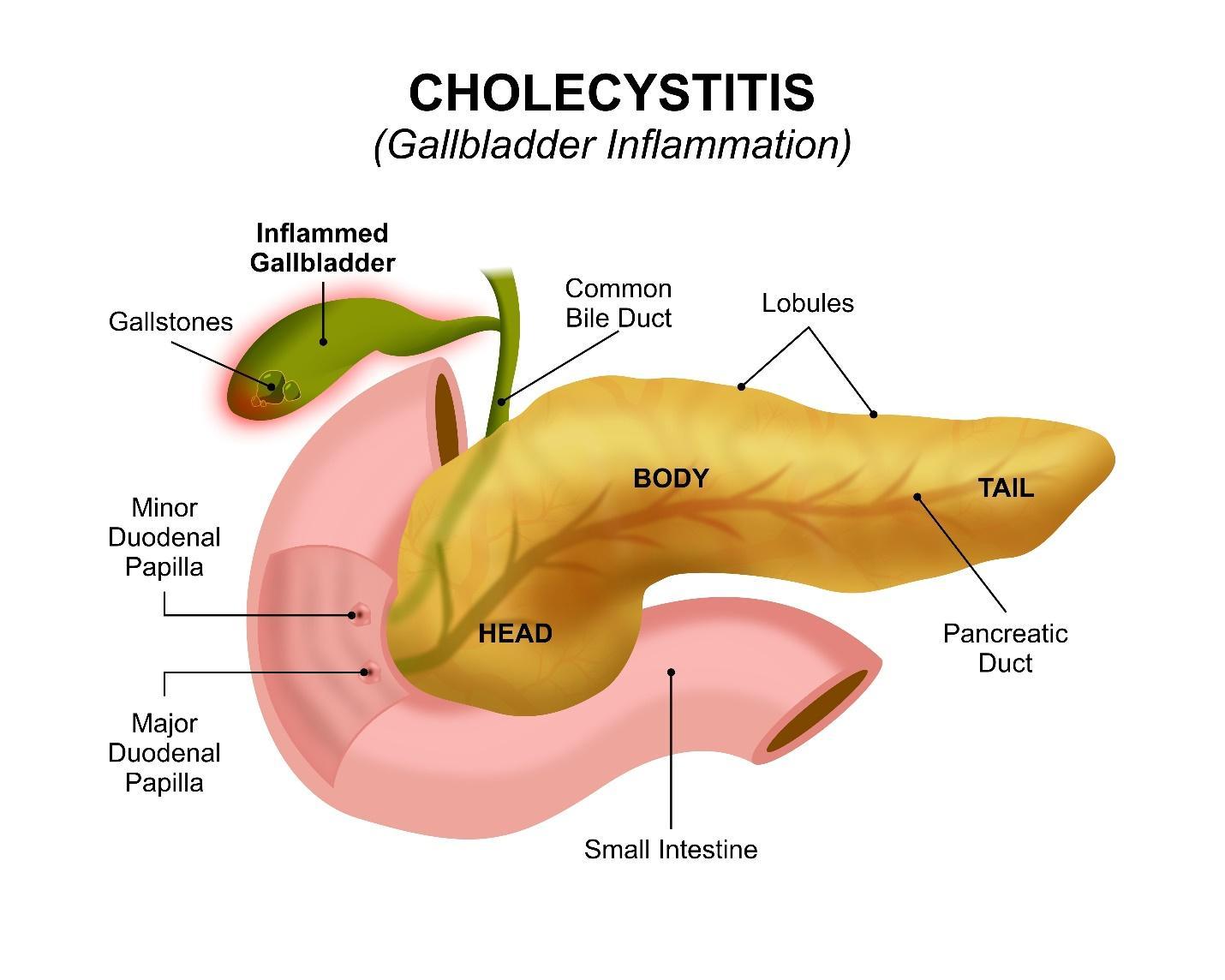
Cholecystitis refers to the inflammation of the gallbladder. When the gallbladder becomes inflamed, the result can be sudden, severe pain and a range of digestive issues.

Book Appointment

What is Cholecystitis?

The condition requires prompt medical attention, as untreated inflammation can progress quickly and lead to more serious health problems.

While cholecystitis is often linked to gallstones, it can also occur due to infections, bile duct problems or reduced blood flow to the gallbladder.
What are the different types of Cholecystitis?

The condition is broadly divided into four forms. Each has its own characteristics, severity and clinical implications, such as:

TYPESCHARACTERISTICS
Acute CholecystitisAcute cholecystitis occurs suddenly, often presenting with sharp pain, fever and nausea. It usually happens when the gallbladder becomes inflamed in a short span of time and typically requires prompt medical attention. Without timely treatment, the inflammation can progress, increasing the risk of infection or complications.
Chronic CholecystitisChronic cholecystitis develops more gradually. Repeated episodes of irritation or inflammation cause the gallbladder wall to thicken and stiffen, reducing its ability to function properly. Many patients experience ongoing digestive discomfort or recurrent bouts of pain, especially after meals containing fat.
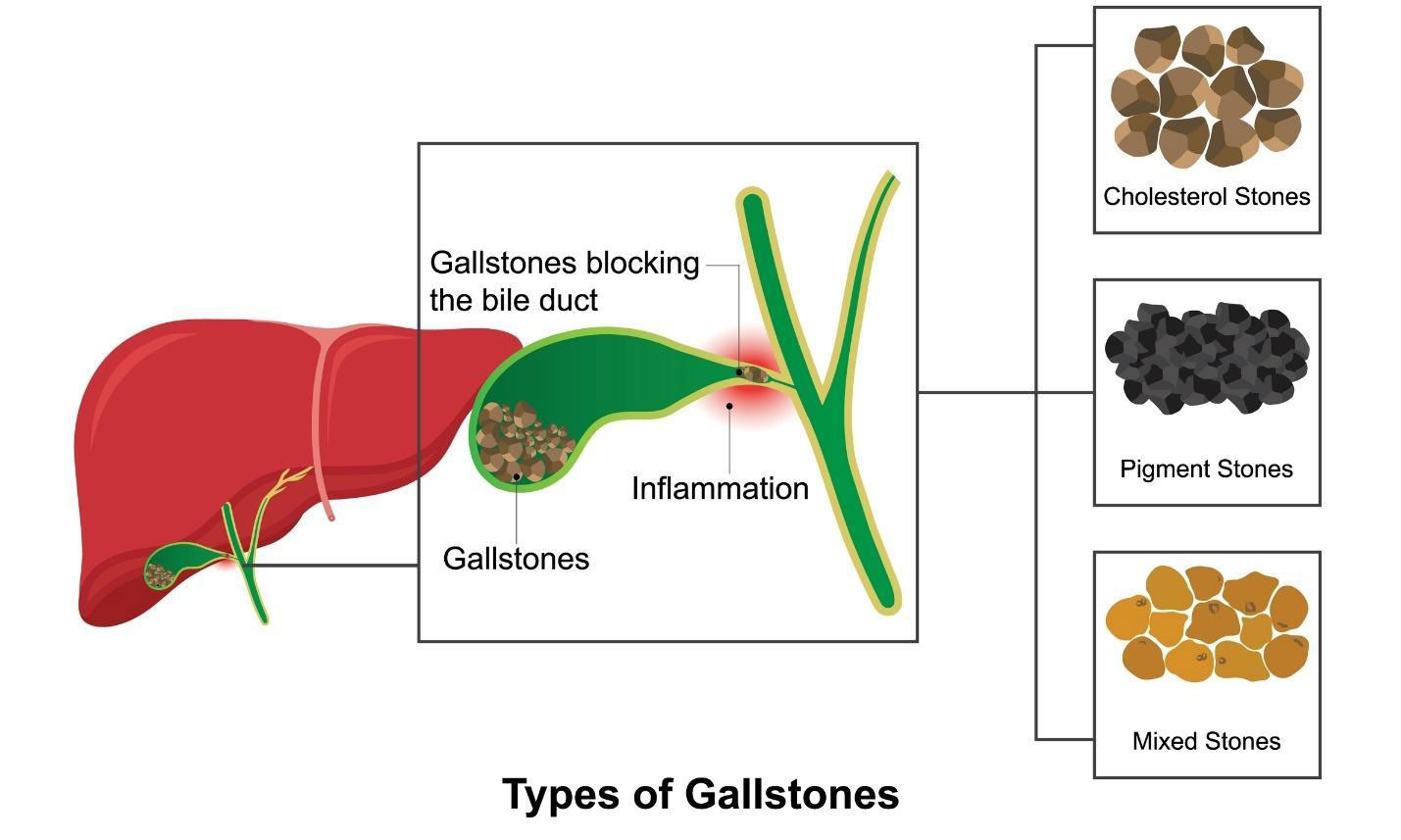
Acute Calculous Cholecystitis This type is linked to gallstones. When a stone blocks the cystic duct, bile becomes trapped inside the gallbladder, leading to irritation, swelling and sometimes infection. Calculous cholecystitis accounts for most cases and is more likely to cause severe symptoms such as intense upper abdominal pain and fever.
Acalculous Cholecystitis Acalculous cholecystitis refers to gallbladder inflammation that develops without the presence of gallstones. It often affects individuals recovering from major illnesses, surgery or trauma and may progress more quickly than calculous cholecystitis. Reduced blood flow, bile stasis or infection can all contribute to its development.

What causes Cholecystitis?

Although gallstones are the most common trigger, several other mechanisms can inflame the gallbladder. These processes are distinct and may occur independently or in combination.

This includes, but is not limited to:

  • Gallstone obstruction – when a gallstone blocks the cystic duct, bile becomes trapped inside the gallbladder. This stagnant bile irritates the lining of the organ, allowing bacteria to grow and increasing internal pressure.
  • Bacterial infection – bacteria from the intestine or bloodstream can enter the biliary system, causing infection-driven inflammation. This is more common in patients with diabetes or weakened immunity.
  • Reduced blood flow to the gallbladder – serious illnesses, trauma or circulatory problems can reduce blood supply to the gallbladder. When the tissues do not receive enough oxygen, inflammation can occur even without gallstones.
  • Bile sludge or thickened bile – sluggish bile flow or highly concentrated bile can lead to sludge formation, which may block the cystic duct and irritate the gallbladder wall.
  • Underlying medical conditions – critical illnesses, prolonged fasting or receiving nutrition through an intravenous line can affect bile movement and increase the risk of cholecystitis.

What are the symptoms of Cholecystitis?

Cholecystitis usually presents with acute symptoms, although the severity can vary. The common symptoms include:
  • Fever or chills
  • Abdominal tenderness, especially when touched
  • Loss of appetite
  • Pain that radiates to the right shoulder or back
  • Persistent nausea
  • Sudden pain in the upper right abdomen, often worsening with movement or deep breaths
  • Vomiting

Who is at risk of Cholecystitis?

Certain individuals have a higher likelihood of developing cholecystitis because of how their body processes bile, stores fat or responds to hormonal changes. While anyone can experience gallbladder inflammation, some patterns consistently increase the risk, such as:

  • Age – the risk increases steadily with age as the gallbladder becomes less efficient over time. Adults above 40 years old are more prone to gallstone formation, which in turn raises the chance of developing cholecystitis.
  • Gender – women experience cholecystitis more frequently than men. This is partly due to hormonal influences that affect bile composition and slow gallbladder emptying.
  • Hormonal shifts – pregnancy, hormone replacement therapy and oral contraceptives can alter bile chemistry, increasing its cholesterol content. These shifts make gallstones more likely to form, which can trigger inflammation.
  • Medical conditions – diabetes, liver disease, high triglyceride levels and certain infections can influence bile composition or reduce gallbladder motility. These factors create a higher tendency for inflammation to develop.
  • Dietary habits – diets high in fat, refined carbohydrates or low in fibre can disrupt healthy bile flow and promote gallstone development. Irregular eating patterns, such as skipping meals, may also contribute to bile stasis.
  • Obesity – higher body weight is closely linked to elevated cholesterol levels in bile. When bile becomes oversaturated, gallstones can form more easily, raising the risk of cholecystitis.
  • Rapid weight loss – losing weight too quickly can cause the liver to release more cholesterol into bile. This sudden change creates an environment where the stones form rapidly, especially during aggressive dieting.

What are the risks and complications if treatment is delayed?

Untreated cholecystitis can progress from a painful but manageable condition to a medical emergency. When inflammation remains unresolved, the gallbladder can become severely damaged.

Some of the potential risks and complications of delaying treatment are:

  • Gallbladder infection (empyema) – bacteria can multiply rapidly within trapped bile, leading to a pocket of pus inside the gallbladder. This can cause high fever, sepsis and severe illness.
  • Gangrenous gallbladder – poor blood supply and ongoing inflammation can cause parts of the gallbladder wall to die. This is more common in older adults or those with diabetes and can be life-threatening if not treated promptly.
  • Gallbladder perforation – a severely inflamed or gangrenous gallbladder can tear or burst, leaking bile or infected fluid into the abdomen. This leads to widespread infection and requires emergency surgery.
  • Bile duct blockage – inflamed tissues or stones may obstruct the bile ducts, causing jaundice or cholangitis, a severe infection of the biliary system.
  • Pancreatitis – if the blockage extends to the common channel shared with the pancreas, inflammation can spread and trigger pancreatitis.

How is Cholecystitis diagnosed in Singapore?

Getting the right diagnosis is essential because gallstone symptoms can overlap with many other abdominal conditions. A proper assessment helps Dr Aaron Poh confirm the cause of your discomfort, check for complications and determine the safest, most effective treatment plan for you. It also ensures you avoid unnecessary delays, which can worsen inflammation or infection over time.

The diagnostic methods often involve:
  • Medical history review – our doctor will ask about the pattern of pain, associated symptoms, diet, past episodes and medical conditions. This will help him to narrow down possible causes and guide the following diagnostic steps.
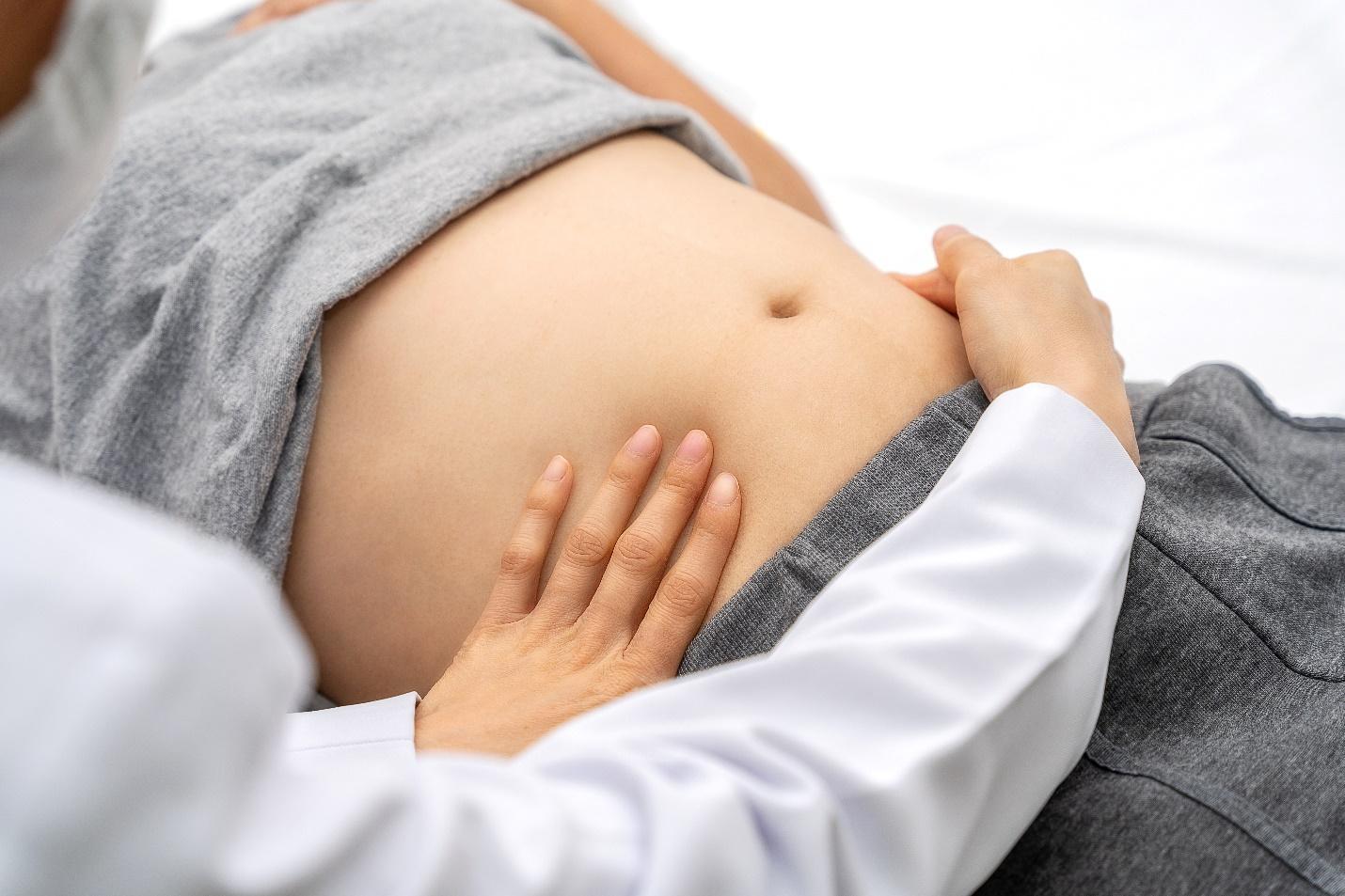
  • Physical assessment – a focused abdominal examination helps detect tenderness, guarding or signs of systemic illness. A positive Murphy’s sign, which is a sharp pain during deep breathing when the doctor presses the gallbladder area, is a classic finding.
  • Blood tests – blood investigations check for infection, elevated white cell counts, liver enzyme changes or markers of inflammation that support the diagnosis. This will help our doctor confirm or rule out possible infections.
  • Ultrasound scan – ultrasound is the first-line imaging test. It can help detect gallstones, gallbladder wall thickening, fluid around the organ and signs of obstruction.
  • Advanced imaging when needed – in more complex cases, our doctor may order a more modern imaging test, such as:
    • Computed Tomography (CT) scan – sometimes used to evaluate complications such as infection, perforation or abscess formation.
    • Magnetic Resonance Cholangiopancreatography (MRCP) – a specialised scan that visualises the bile ducts and detects stones stuck in the ducts.
    • Endoscopic Ultrasound (EUS) – this is often recommended when stones are very small or are not clearly seen on standard imaging.

How is Cholecystitis treated in Singapore?

The treatment plan is tailored to your symptoms, the type of gallbladder inflammation and whether complications are present. It is important to seek timely intervention as it helps prevent repeated attacks, infections and long-term issues.

After confirming a diagnosis, our doctor will guide you through the safest and most effective options. This will be based on your health, lifestyle and severity of your condition. Dr Aaron Poh will usually outline a treatment plan that combines the following methods:
Medications

  • Pain relief and anti-inflammatory medications – these help ease discomfort during acute episodes. They reduce inflammation and make symptoms more manageable while you prepare for further treatment or surgery.
  • Antibiotics – this is only given when infection is suspected or confirmed. They help control bacterial growth and prevent the infection from spreading, especially in cases of acute cholecystitis.
  • Oral bile acid tablets (limited use) – these medications dissolve small cholesterol gallstones over several months. They are less commonly recommended because results are slow, stones may return and the treatment is suitable only for a small percentage of patients.

Surgical Treatments

  • Laparoscopic cholecystectomy – a keyhole procedure where the gallbladder is removed through a few small incisions. This is the standard and most effective treatment for symptomatic gallstones. It offers faster recovery, less post-operative pain and minimal scarring. Most patients return to normal activities within a week, and the risk of recurrence is eliminated because the gallbladder is no longer present.
  • Open cholecystectomy – this procedure is performed through a larger incision in the upper abdomen. This method is used only when laparoscopic surgery is not suitable, for example, in severe inflammation, complex anatomy, extensive scarring from previous surgery or when complications such as perforation are suspected. Recovery is longer, but it remains a safe and reliable option when needed.

Non-Surgical Procedures

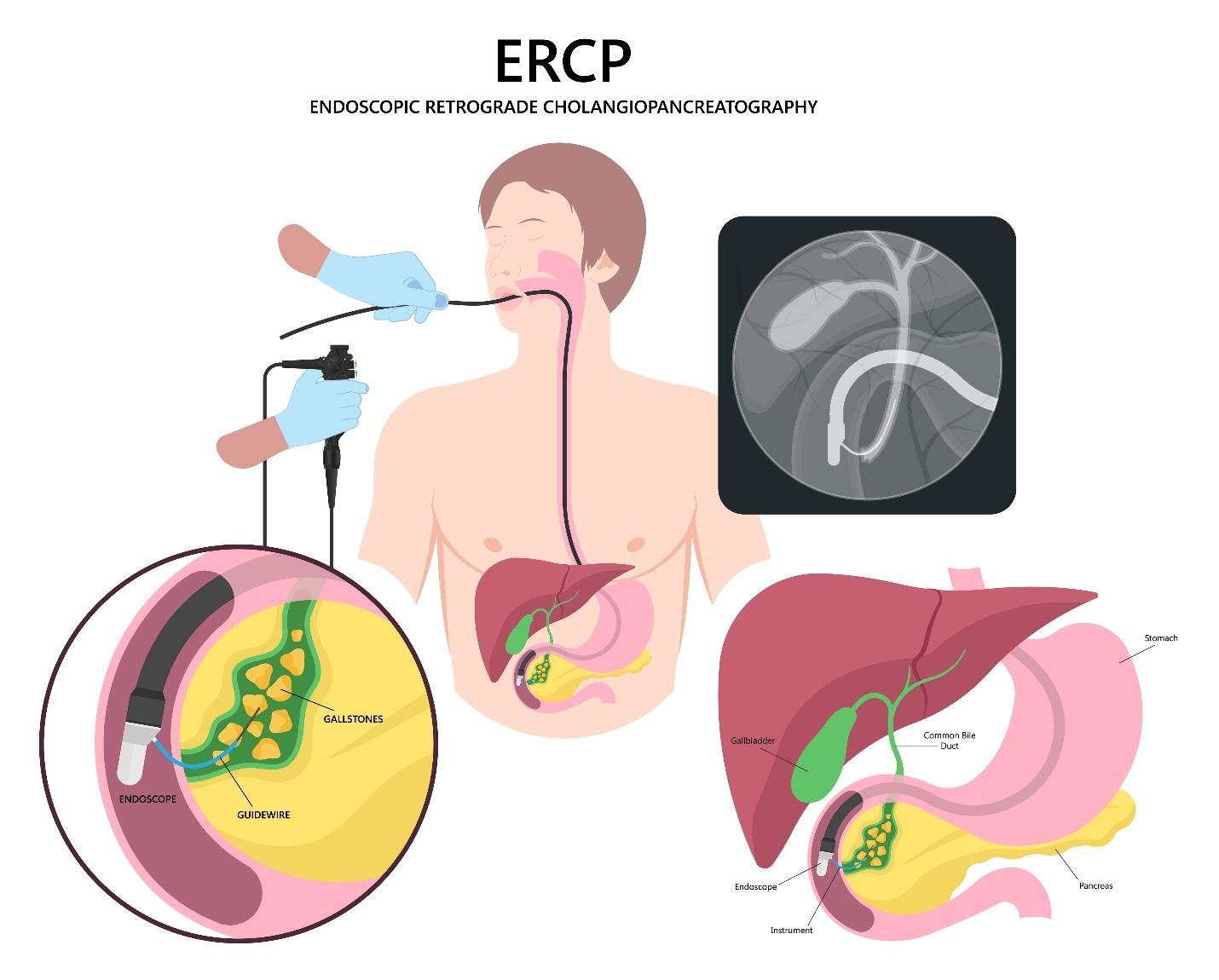
  • Endoscopic Retrograde Cholangiopancreatography (ERCP) – a specialised endoscopic procedure used to remove stones that are stuck in the bile duct. A flexible tube with a camera is gently passed through the mouth to reach the bile ducts. The trapped stones are removed without removing the gallbladder. ERCP is often combined with surgery or used as an urgent intervention when a stone causes blockage, infection or jaundice.

Supportive Care

  • Hydration and rest – adequate fluid intake helps reduce inflammation and supports your body’s natural healing process. Rest allows the gallbladder to settle while medical treatment is underway.
  • Dietary adjustments – a temporary low-fat diet may help prevent symptom flare-ups by reducing the gallbladder’s workload. This is often recommended while awaiting surgery or further investigations.

Summary

Cholecystitis is a painful and potentially serious inflammation of the gallbladder that should never be ignored. With early assessment and proper treatment, most patients recover well and avoid long-term complications. In fact, by understanding the symptoms, causes and treatment options, it will help patients seek timely care and prevent the condition from escalating.

If you are experiencing persistent abdominal pain, fever or digestive discomfort, early evaluation can make a crucial difference. Do contact us to schedule an appointment and receive a precise diagnosis and personalised treatment to help you return to good health safely and confidently.

Frequently Asked Questions (FAQs)

Yes. If not treated promptly, inflammation can worsen and lead to complications such as gangrene, perforation or a widespread infection. That is why urgent medical review is recommended.
Initial treatment may include antibiotics, pain relief and fasting to rest the gallbladder. However, these are temporary measures. Surgery remains the definitive treatment in most cases.
Most patients with acute cholecystitis will need gallbladder removal. This is because surgery is the most effective way to prevent recurrence and further complications.
Most patients recover quickly after laparoscopic surgery and can return home within a day. Normal activities resume within one to two weeks. However, a full recovery from open surgery may take longer.
Yes. If the gallbladder is not removed, repeated attacks are common because the underlying cause remains.
Maintaining a healthy weight, managing cholesterol, avoiding crash diets and eating a balanced diet low in saturated fats may help reduce gallstone formation.
No. Many people have gallstones without symptoms. Cholecystitis occurs when a stone causes inflammation. It is a complication, rather than just the presence of stones.

Dr Aaron Poh

Consultant General Surgeon
MBBS (Singapore), MRCS (Edinburgh), FRCS (Edinburgh), Master of Medicine (Surgery)

Dr Aaron Poh obtained his M.B.B.S (Bachelor of Medicine & Bachelor of Surgery) from the National University of Singapore in 2004. He then entered the MOH General Surgical training programme in 2006 and obtained his Fellowship from the Royal College of Surgeons of Edinburgh (F.R.C.S Edinburgh) in 2015. He was also accepted into the Colorectal Fellowship programme in the Queen Elizabeth Hospital in Birmingham, UK in 2014.  His special interest is in minimally invasive colorectal cancer surgery and exenterative surgery for advanced cancers.


Patients are advised to have a consultation with our Surgical Specialist, Dr Aaron Poh to first understand your condition and concerns. After referring you to the appropriate screening tests, he will advise you of your diagnosis and treatment options after the tests and scopes

    Follow Us On

    Copyright © Gallstones Doctor Singapore by Alpine Surgical Practice |  Terms & Conditions

    Copyright © Gallstones Doctor Singapore by Alpine Surgical Practice |  Terms & Conditions

    arrow-down