Digestive discomfort after meals is often attributed to common indigestion, especially when the symptoms are mild, intermittent or seem to settle on their own. However, when this discomfort becomes repetitive or shows a clear pattern, particularly after oily or fried foods, it may be a sign of an underlying gallbladder problem, such as gallstones.
Gallstones are relatively common and may remain unnoticed for years without causing any symptoms. The challenge begins when they start to interfere with digestion. At this stage, patients often experience recurring upper abdominal discomfort, bloating or pain that can sometimes radiate to the back or shoulder area.
Over time, these symptoms tend to become more predictable after meals and may gradually worsen in severity. In some cases, what begins as mild post-meal discomfort can progress to acute inflammation of the gallbladder, requiring urgent medical attention.
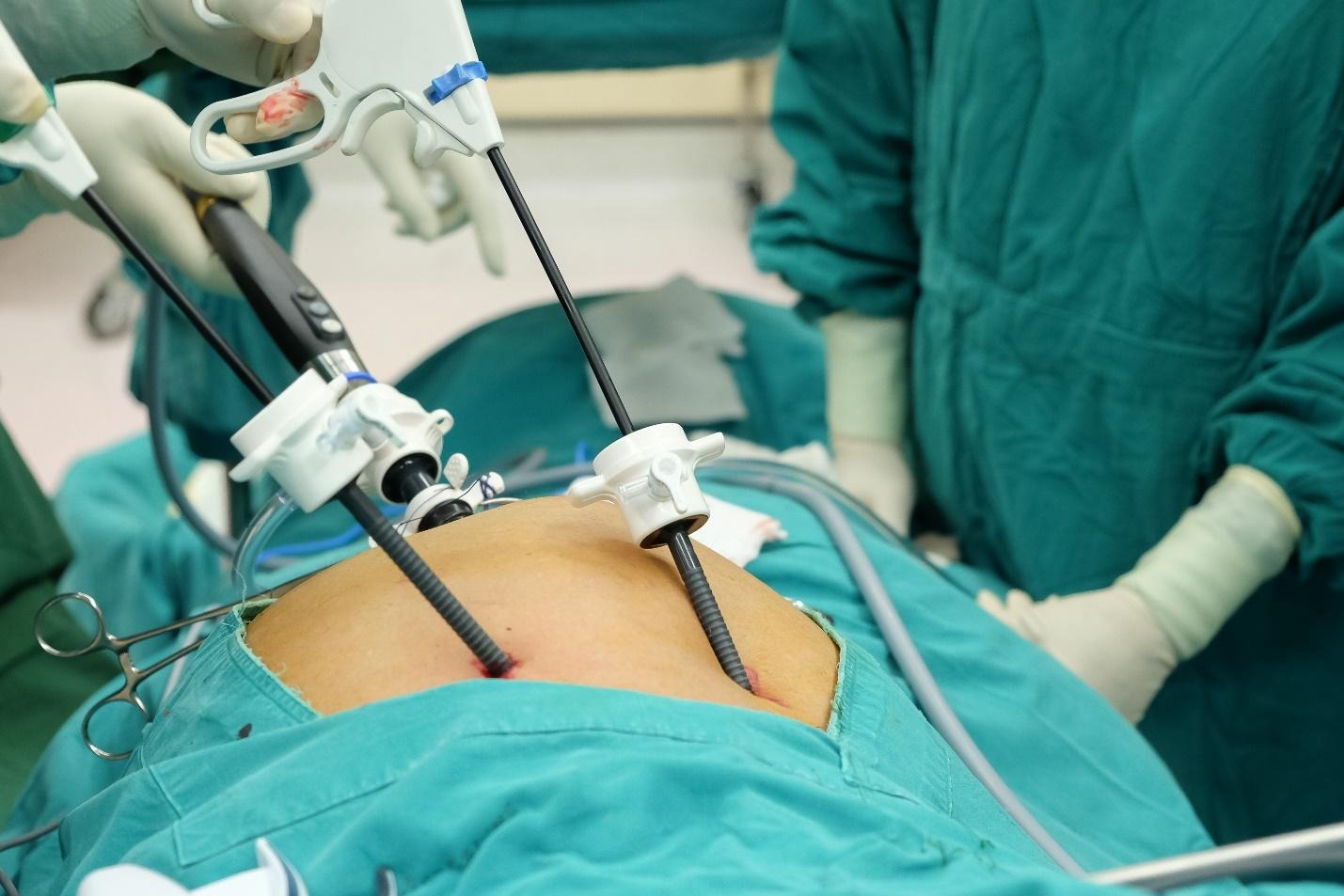
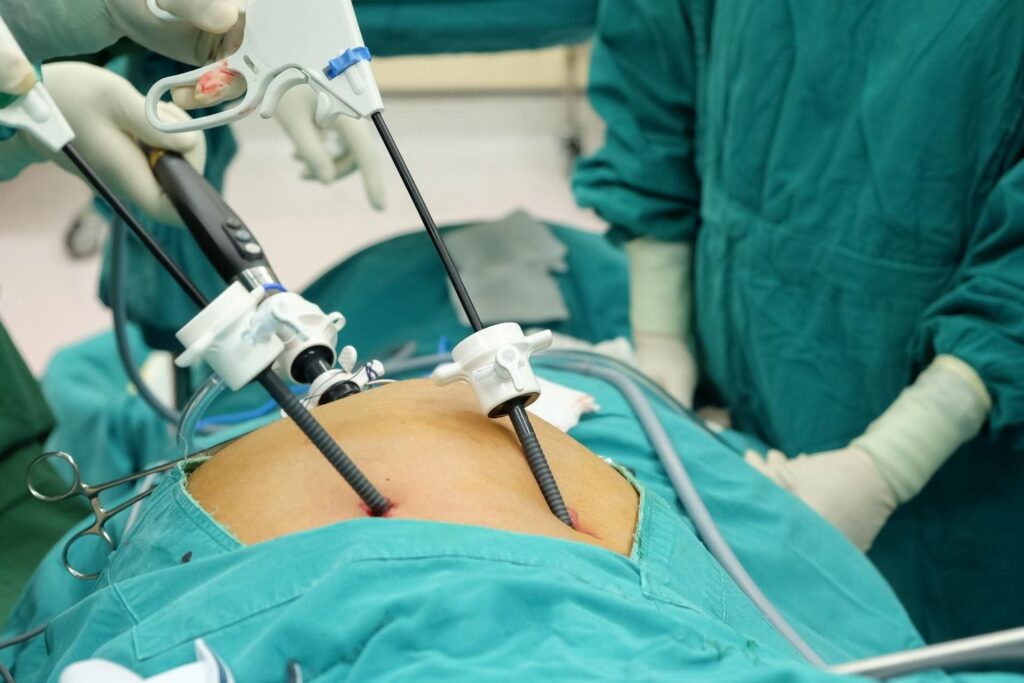
This case illustrates how persistent digestive symptoms, initially mistaken for “gastric” discomfort, were eventually linked to gallstones. With timely diagnosis and minimally invasive keyhole surgery (laparoscopic cholecystectomy), the patient was able to achieve a smooth recovery and complete resolution of symptoms.
Miss L is a 28-year-old primary school teacher of average build with no significant past medical history. She was previously well and active.
She presented with a 6-month history of recurrent upper abdominal discomfort, typically described as:
Over time, the symptoms began affecting her quality of life. She started avoiding buffet meals and developed a growing fear of eating due to the unpredictability of the pain.
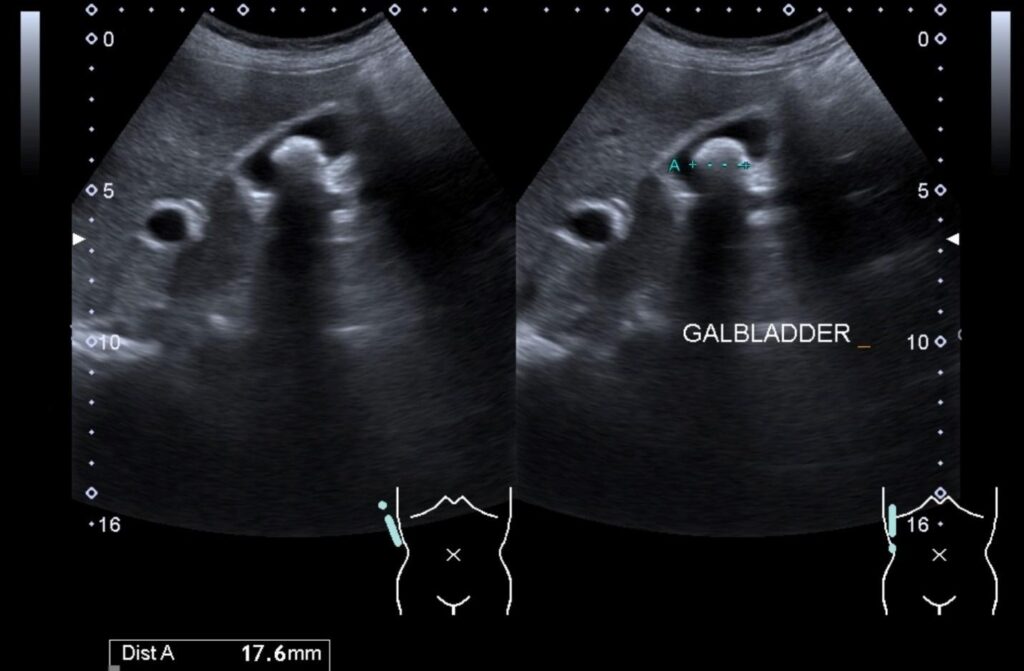
At her first consultation, her symptoms were highly suggestive of gallstone disease. However, an ultrasound scan of the abdomen confirmed:
A diagnosis of symptomatic gallstones was made and Miss L was advised to proceed with a laparoscopic cholecystectomy (keyhole gallbladder removal surgery). Minimally invasive keyhole surgery is the standard treatment for symptomatic gallstones and is associated with fast recovery and minimal scarring.
The risks of surgery were discussed in detail, including:
She opted for surgery, which was scheduled three weeks later after her planned trip to Korea.
In the interim, she was advised to avoid oily and fatty foods to minimise symptom flare-ups.
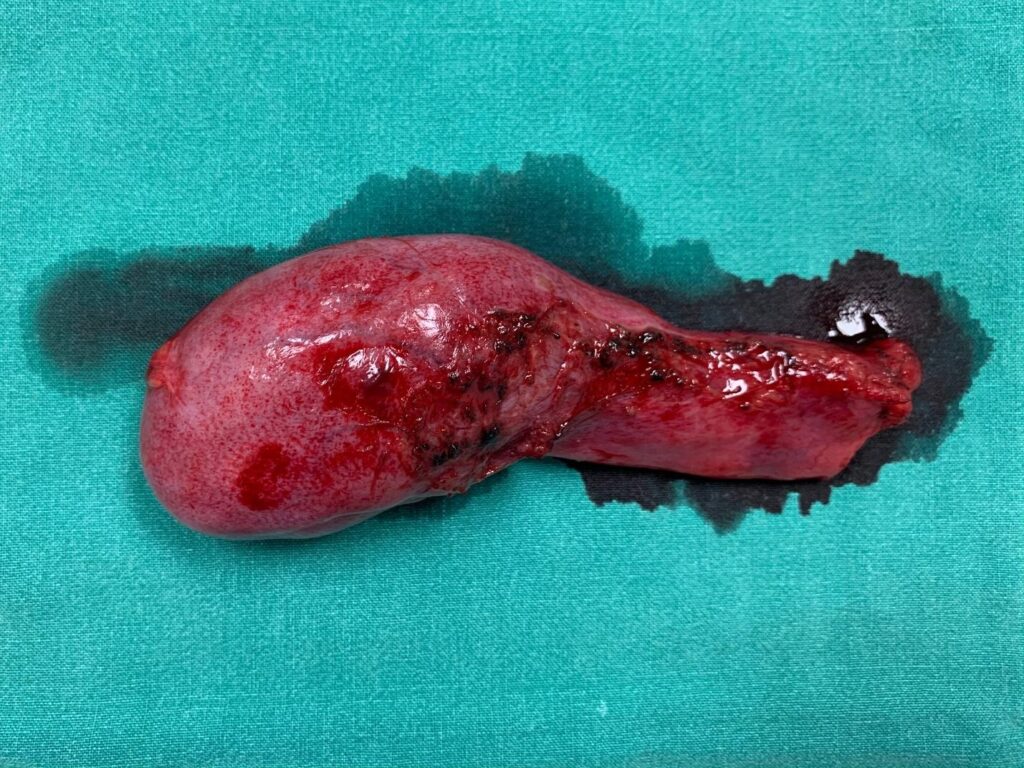
Two days before her scheduled surgery, Miss L’s condition progressed rapidly overnight, prompting an emergency hospital admission at 7 am.
What began as post-meal discomfort escalated into severe, persistent upper abdominal pain that started around midnight and progressively worsened, despite rest.
She also developed:
By the time she arrived at the Emergency Department, her symptoms were significantly more severe than her previous episodes, indicating an acute deterioration from her baseline condition.
On examination, there was marked tenderness over the upper abdomen, consistent with acute inflammation of the gallbladder.
She was diagnosed with acute cholecystitis (acute gallbladder infection). Pain relief (Pethidine injection) was given, but provided only partial and temporary relief, highlighting the severity of the inflammation.
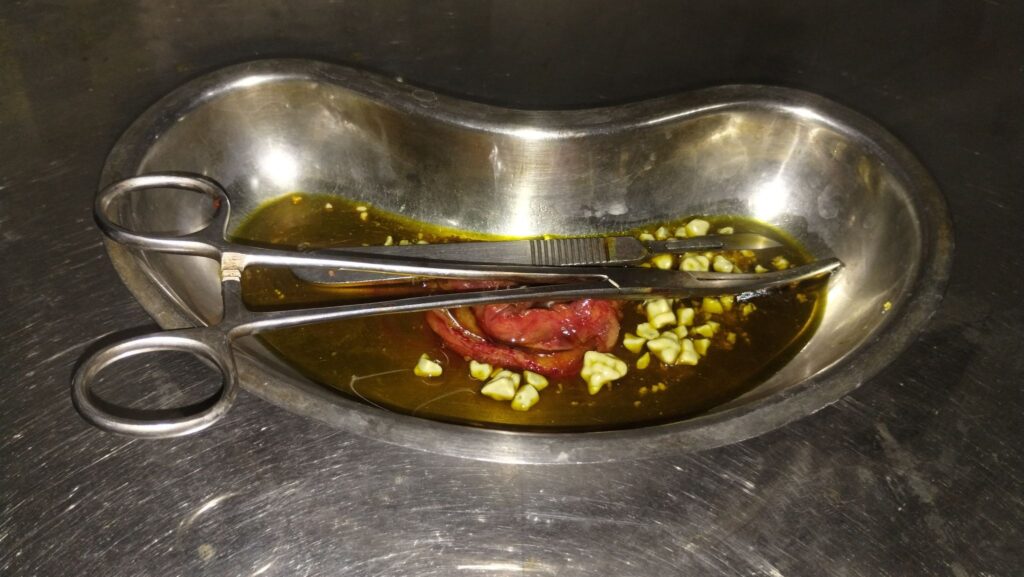
Given the acute infection, an urgent decision was made to proceed with surgery immediately. A laparoscopic cholecystectomy was performed the same day at noon. The operation lasted approximately one hour and was completed successfully without complications.
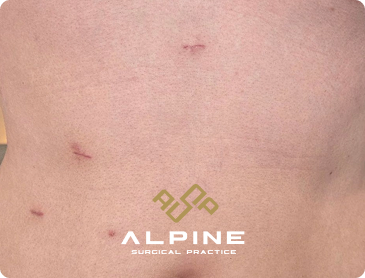
Post-operatively, Miss L:
She was discharged the following morning. At home, she recovered steadily and returned to normal daily activities within one week.
Following surgery, Miss L experienced complete resolution of her symptoms:
She was able to resume a normal diet and lifestyle without restrictions.
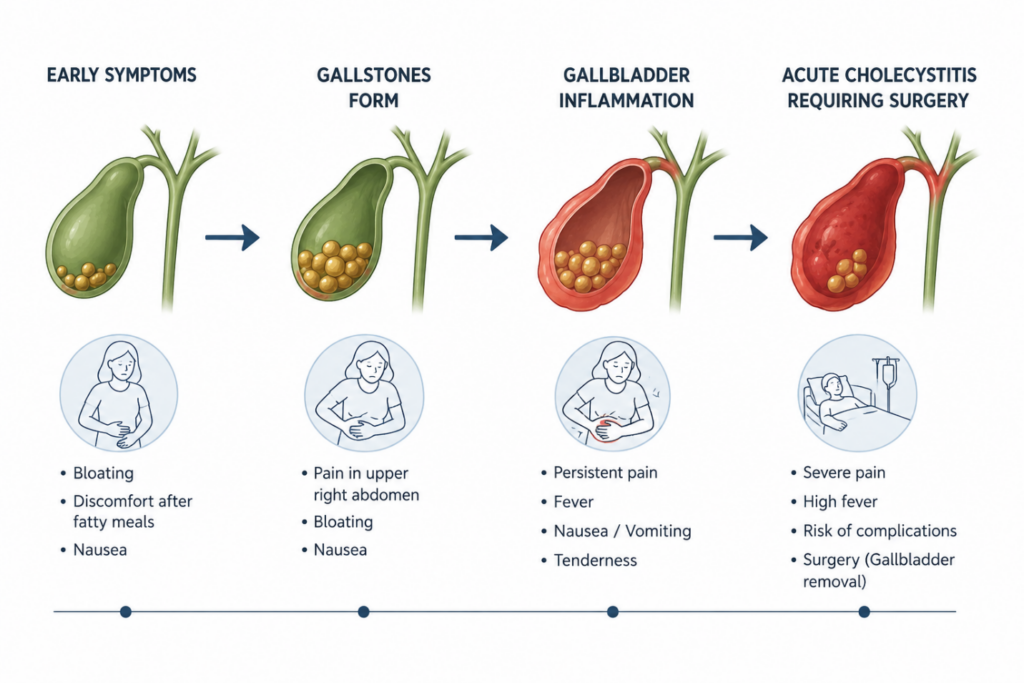
This case highlights a common progression of gallstone disease:
If you are experiencing recurring upper abdominal pain, bloating or discomfort after meals, especially following oily or fried foods, it may be related to gallstones. Early assessment can help prevent progression to more serious complications such as acute gallbladder infection.
Do contact us to arrange a consultation with Dr Aaron Poh for further evaluation and appropriate treatment.
Patient details have been anonymised and modified to protect confidentiality. The information presented is for general educational purposes.


Patients are advised to have a consultation with our Surgical Specialist, Dr Aaron Poh to first understand your condition and concerns. After referring you to the appropriate screening tests, he will advise you of your diagnosis and treatment options after the tests and scopes


Copyright © Gallstones Doctor Singapore by Alpine Surgical Practice | Terms & Conditions

Copyright © Gallstones Doctor Singapore by Alpine Surgical Practice | Terms & Conditions