Learn about pancreatitis, including causes, symptoms, diagnosis and treatment options in Singapore. Find out when to seek medical care.

The pancreas is a small but vital organ that sits behind the stomach and plays an important role in both digestion and blood sugar regulation. It produces enzymes that help break down food and hormones, such as insulin, that regulate glucose levels. Most people rarely think about their pancreas until inflammation disrupts its function. This condition is known as pancreatitis.
When the pancreas becomes irritated, its digestive enzymes can activate too early, starting to digest the organ itself. This can lead to abdominal pain, nausea, vomiting and other symptoms that range from mild discomfort to severe illness.
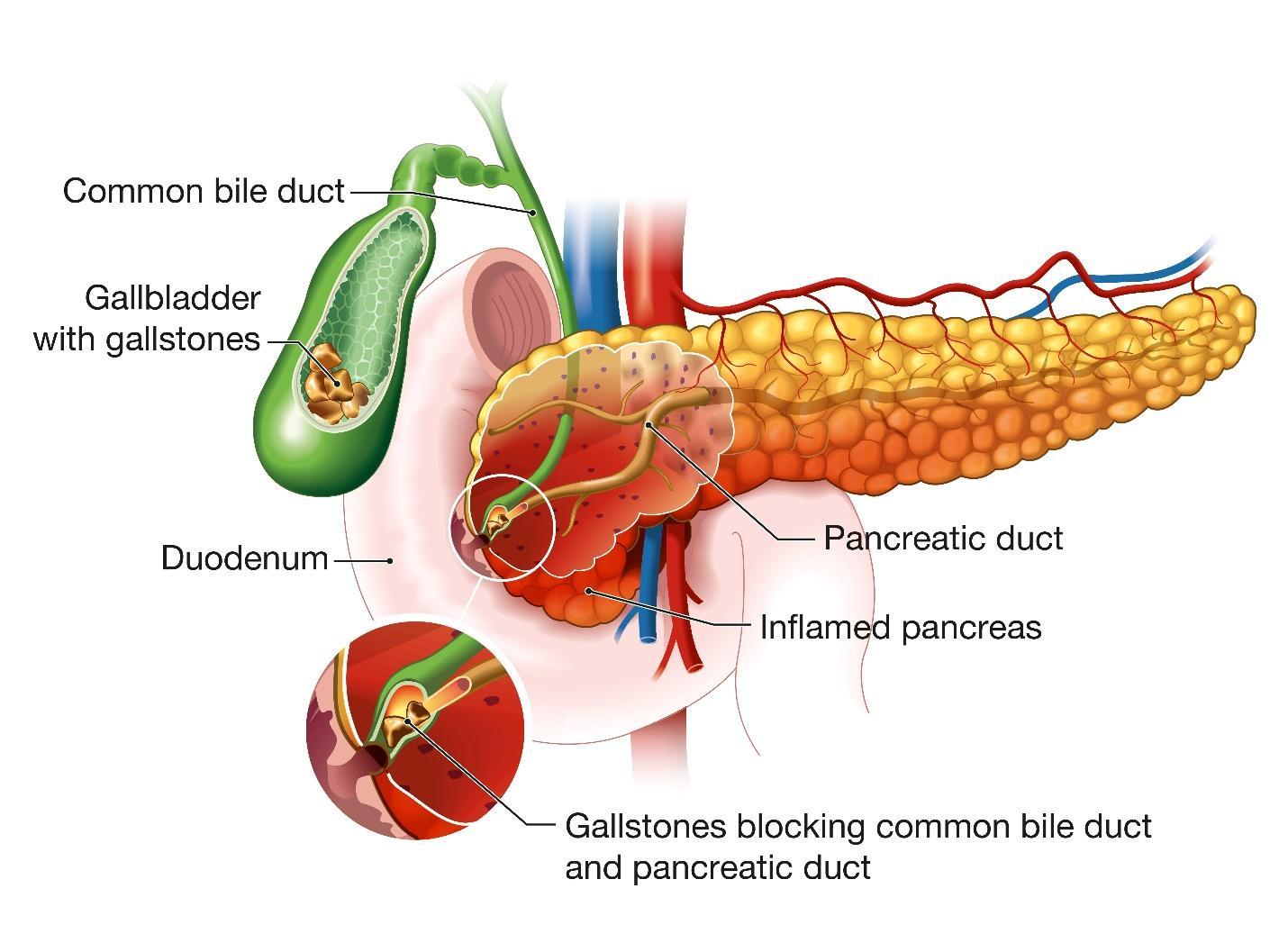
Pancreatitis can present in different ways and understanding the type helps guide treatment and expectations. Broadly, it falls into two main categories:
The condition occurs when the digestive enzymes produced by the pancreas become active too early, irritating the organ itself. This premature activation can trigger inflammation and, in severe cases, damage the pancreas.
There are a variety of factors that can set off this process, such as:
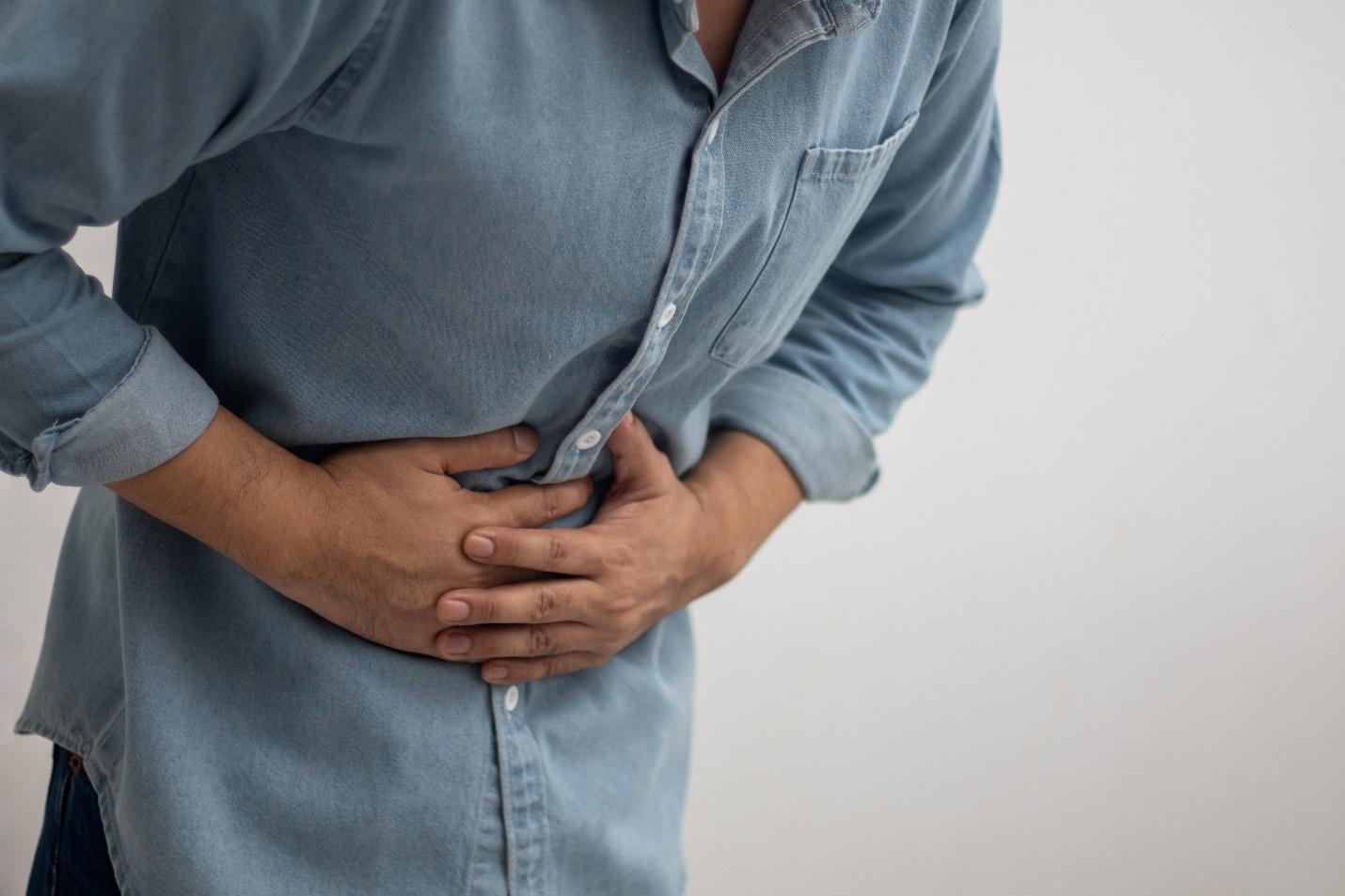
Symptoms vary depending on whether the inflammation is acute or chronic, but many patients experience:
There are certain factors that make some individuals more vulnerable to pancreatic inflammation. While these risks may not directly cause the condition, they increase susceptibility or worsen the effects of underlying triggers.
Generally, the risk increases with:
When pancreatic inflammation is not addressed promptly, it can lead to serious short-term and long-term problems. Ongoing inflammation may damage tissue, interfere with digestion and affect hormone regulation, increasing the risk of multiple complications, such as:
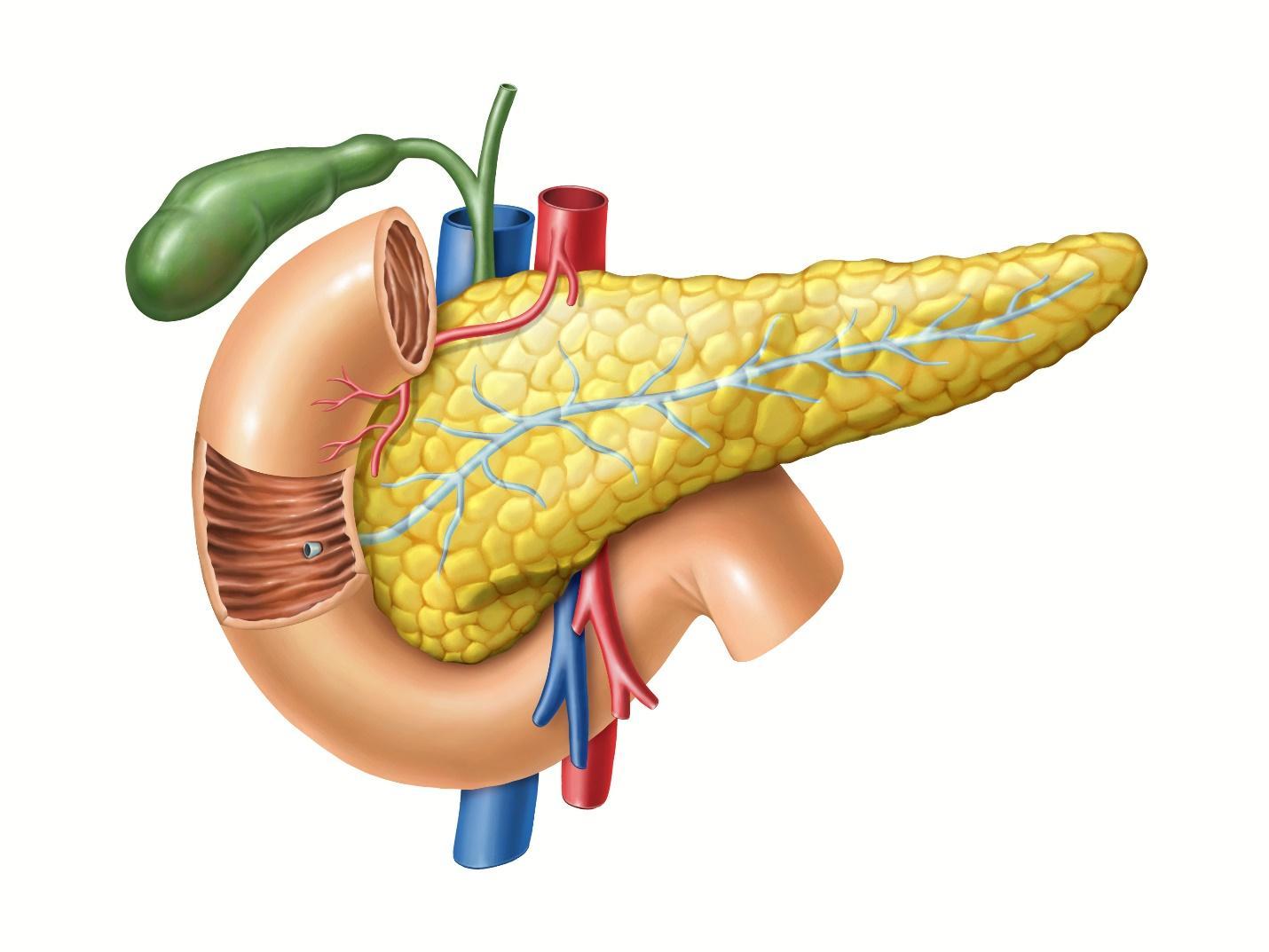
The gallbladder and pancreas share a close anatomical connection through the bile duct system. Because both organs drain into the same small opening in the intestine, any obstruction in this pathway can directly affect the pancreas.
Gallstones are the most common link between the conditions. When a stone slips into the bile duct and blocks the shared outlet, digestive enzymes cannot flow out. This blockage traps the enzymes inside the pancreas, causing them to activate too early and inflame the organ. This is why gallstone-related pancreatitis can happen suddenly and tends to be painful.
| Aspect | Keyhole/Laparoscopic Cholecystectomy | Open Cholecystectomy/ Open Surgery |
| Incisions | 3-4 small incisions (5-10 mm) | One large incision (10-15 cm) |
| Surgical approach | Miniature camera and specialised instruments through small ports | Gallbladder accessed directly through a large incision |
| Tissue disruption | Minimal | Greater muscle or tissue disruption |
| Post-procedure pain | Usually mild to moderate | Usually significant |
| Scarring | Small, less noticeable scars | Larger, more visible scars |
| Hospital stay | Same day or 1-2 days | 3-5 days |
| Return to daily activities | Around 1 week for light activities | At least 3-4weeks |
| Risk of wound complications | Lower | Much Higher |
| Risk of infection | Lower | Higher |
| Recovery experience | Tightness or soreness around incision sites | Deeper pain and stiffness across the abdomen |
| When it’s generally recommended | Standard approach for most gallbladder removals | Used when keyhole surgery is not possible or technically challenging |
Your doctor will assess whether laparoscopic gallbladder removal is suitable by carefully considering your symptoms, imaging findings and overall health. This includes reviewing ultrasound or scan results, the severity of inflammation, any previous abdominal surgery and your medical history.
In most cases, laparoscopic surgery is appropriate and preferred, but if there are factors that increase surgical complexity or risk, alternative approaches may be recommended.
As with any surgical procedure, getting ready involves a few simple steps that help ensure a smooth and safe experience. The preparation process unfolds progressively, starting from days before the surgery to the hours just before the procedure.
It generally entails:
Recovering from laparoscopic gallbladder surgery is generally quick, with most patients resuming their routine comfortably within days. Be that as it may, it is still normal to experience the following post-operative side effects:
Yes, the digestive system continues to work normally even after the gallbladder is removed.
The gallbladder’s role is to store and concentrate bile, not produce it. The liver continues producing bile as usual, and after surgery, this bile flows directly into the small intestine. Most people adapt quickly to this steady flow and digestion remains smooth without long-term issues.
Some individuals may experience temporary changes such as loose stools or increased urgency after fatty meals, but these symptoms typically settle within weeks as the body adjusts.
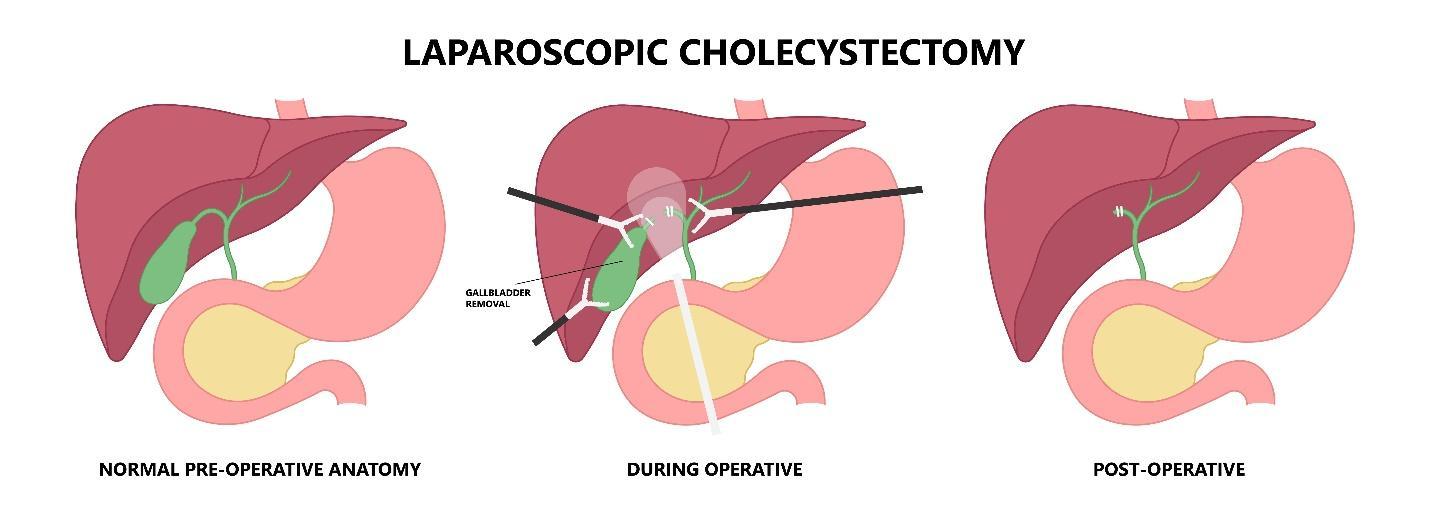
Keyhole or laparoscopic gallbladder removal is one of the most effective and reliable treatments for gallbladder conditions such as gallstones, polyps and inflammation. With tiny incisions, minimal discomfort and a quick return to daily activities, it has become the preferred approach for most patients in Singapore.
Even though the procedure is routine, every patient’s situation is different. Understanding when surgery is recommended, knowing what to expect and being aware of the recovery process can make the experience far less overwhelming. With the right guidance, most people regain normal digestion and return to their usual routines without long-term restrictions.
If you have been advised to consider gallbladder removal or are exploring your treatment options, you do not need to make the decision alone. Schedule a consultation with Dr Aaron Poh for clear explanations, tailored recommendations and attentive follow-up care at every step.

Dr Aaron Poh obtained his M.B.B.S (Bachelor of Medicine & Bachelor of Surgery) from the National University of Singapore in 2004. He then entered the MOH General Surgical training programme in 2006 and obtained his Fellowship from the Royal College of Surgeons of Edinburgh (F.R.C.S Edinburgh) in 2015. He was also accepted into the Colorectal Fellowship programme in the Queen Elizabeth Hospital in Birmingham, UK in 2014. His special interest is in minimally invasive colorectal cancer surgery and exenterative surgery for advanced cancers.


Patients are advised to have a consultation with our Surgical Specialist, Dr Aaron Poh to first understand your condition and concerns. After referring you to the appropriate screening tests, he will advise you of your diagnosis and treatment options after the tests and scopes


Copyright © Gallstones Doctor Singapore by Alpine Surgical Practice | Terms & Conditions

Copyright © Gallstones Doctor Singapore by Alpine Surgical Practice | Terms & Conditions