Incidental gallstones are surprisingly common, often discovered during routine scans, even when patients feel completely well.

Incidental gallstones refer to stones found unexpectedly when the ultrasound was originally performed to investigate another concern, such as abdominal discomfort, liver issues or routine health screening. This occurrence happens more commonly than most people realise. Many individuals may have small stones for years without any symptoms, only learning about them when imaging is done for unrelated reasons.
However, knowing that the stones are present allows doctors to assess whether they are likely to stay quiet or if they have features that may cause problems in the future.
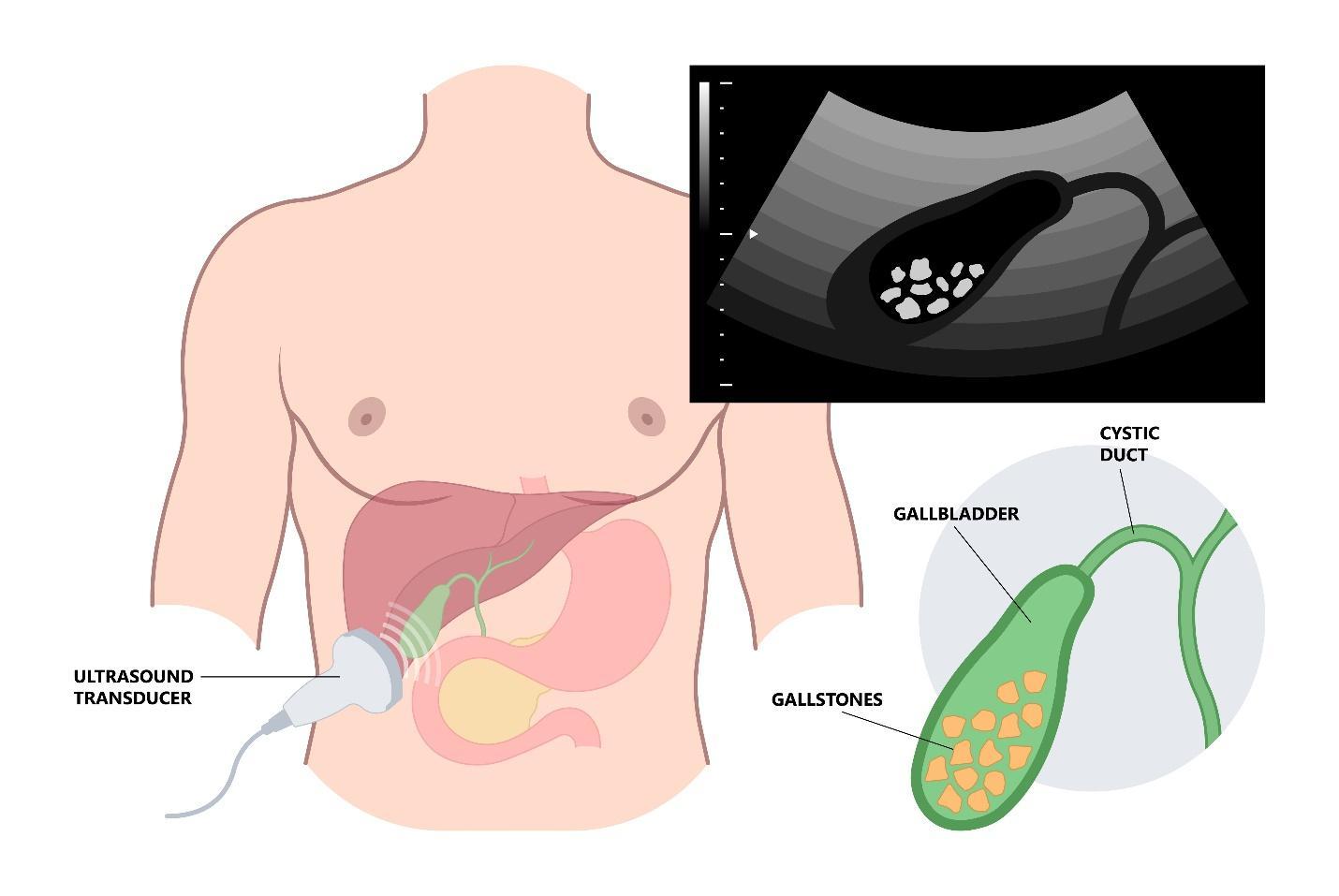
An ultrasound is the primary tool for visualising the gallbladder. It works by sending sound waves into the abdomen and capturing echoes that bounce back. Gallstones typically appear as bright spots that cast a clear shadow, helping our doctor confirm their presence.
There are certain details on the scan that provide additional context, such as:
While an ultrasound is highly accurate, very small stones or stones hidden behind the bowels may occasionally be missed. As such, follow-up scans are important as they help track any changes over time.
Gallstones are often discovered incidentally when an ultrasound or other abdominal imaging is performed for an unrelated reason. This may include scans done to evaluate abdominal pain, bloating, liver conditions, kidney issues or during routine health screenings. In many cases, these gallstones do not cause symptoms and are identified unexpectedly, before a person is aware they have them.
Most incidental gallstones do not cause any discomfort. However, it is still helpful to monitor symptoms that may suggest a worsening condition. These include:
It is important to pay attention to even the slightest changes. This is because even mild or intermittent symptoms can be useful information when planning future care.
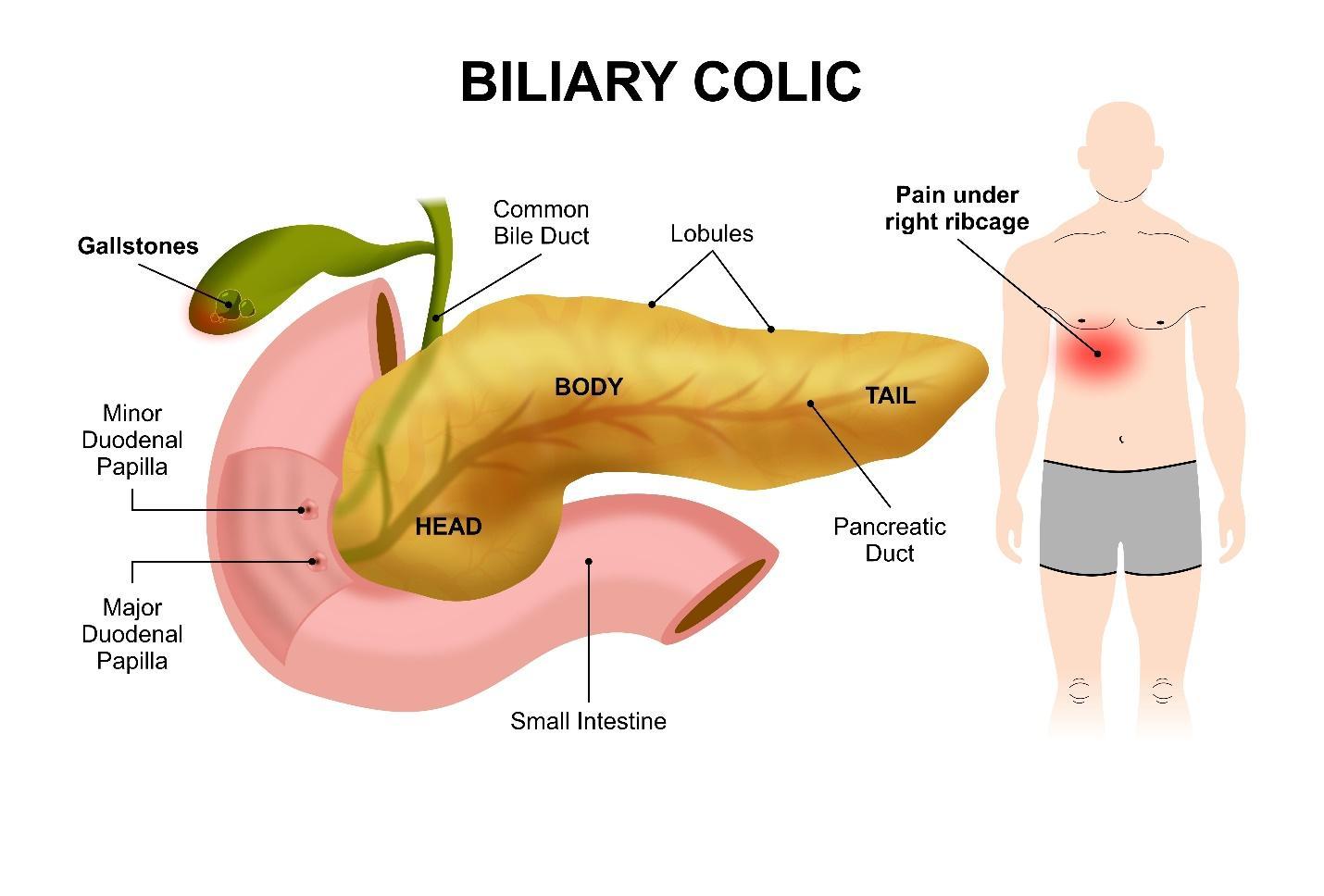
Incidental gallstones are not dangerous on their own, but complications may arise if they shift or block the bile ducts. Some of the potential issues may include:
Not all gallstones require immediate intervention, and once they are identified, clinical attention shifts towards assessing whether they are likely to remain harmless or carry a higher risk of causing future symptoms or complications.
Management is tailored to the individual, taking into account the stone characteristics, ultrasound findings and overall health. From simple monitoring to surgical treatment, each option aims to keep the gallbladder functioning comfortably and to prevent avoidable complications.
Many incidental gallstones stay quiet for years. In these cases, careful observation is often the most sensible approach. Follow-up ultrasounds help track whether the stones change in size or position and lifestyle adjustments such as moderating fatty meals can help reduce the risk of triggering symptoms.
Although medications are not routinely used for incidental gallstones, they may play a role in certain situations. Oral bile acid tablets may help dissolve small cholesterol stones, although results vary and stones tend to return once treatment stops. Digestive symptom relief medications can also be used when bloating or indigestion occurs, even if these symptoms are not directly caused by the stones.
Surgery becomes relevant when stones begin causing discomfort or show features that increase the likelihood of complications. If surgery is required, Dr Aaron Poh recommend:
Incidental gallstones are more common than most people realise and for many individuals, they remain completely silent for years. Discovering them on an ultrasound can feel unsettling at first, but it does not automatically mean you need treatment. What matters most is understanding whether these stones are likely to cause future problems and knowing when to seek advice. With proper evaluation, routine monitoring and awareness of warning signs, most people can continue their daily lives without interruption.
Even so, it is important not to ignore persistent symptoms such as abdominal discomfort, bloating after meals or unexplained nausea. Silent gallstones can later become symptomatic and early assessment helps prevent complications like inflammation or bile duct blockage.
If you recently discovered incidental gallstones or have concerns about ongoing symptoms, you do not need to navigate the uncertainty alone. Dr Aaron Poh is here to provide clear explanations, personalised recommendations and prompt care when needed. If you have questions about your ultrasound results or wish to discuss your options, book a consultation today.

Dr Aaron Poh obtained his M.B.B.S (Bachelor of Medicine & Bachelor of Surgery) from the National University of Singapore in 2004. He then entered the MOH General Surgical training programme in 2006 and obtained his Fellowship from the Royal College of Surgeons of Edinburgh (F.R.C.S Edinburgh) in 2015. He was also accepted into the Colorectal Fellowship programme in the Queen Elizabeth Hospital in Birmingham, UK in 2014. His special interest is in minimally invasive colorectal cancer surgery and exenterative surgery for advanced cancers.


Patients are advised to have a consultation with our Surgical Specialist, Dr Aaron Poh to first understand your condition and concerns. After referring you to the appropriate screening tests, he will advise you of your diagnosis and treatment options after the tests and scopes


Copyright © Gallstones Doctor Singapore by Alpine Surgical Practice | Terms & Conditions

Copyright © Gallstones Doctor Singapore by Alpine Surgical Practice | Terms & Conditions