Gallstones are hardened deposits that form within the gallbladder, which is a small, pear-shaped organ beneath your liver. It is responsible for storing and releasing bile.

These stones can vary in size, from tiny granules similar to sand to larger, marble-like shapes that measure up to 1 to 2 cm across.
There are two main types of gallstones, namely:
However, some stones may also be mixed, containing cholesterol and calcium or composed of other substances, but these are rarer.
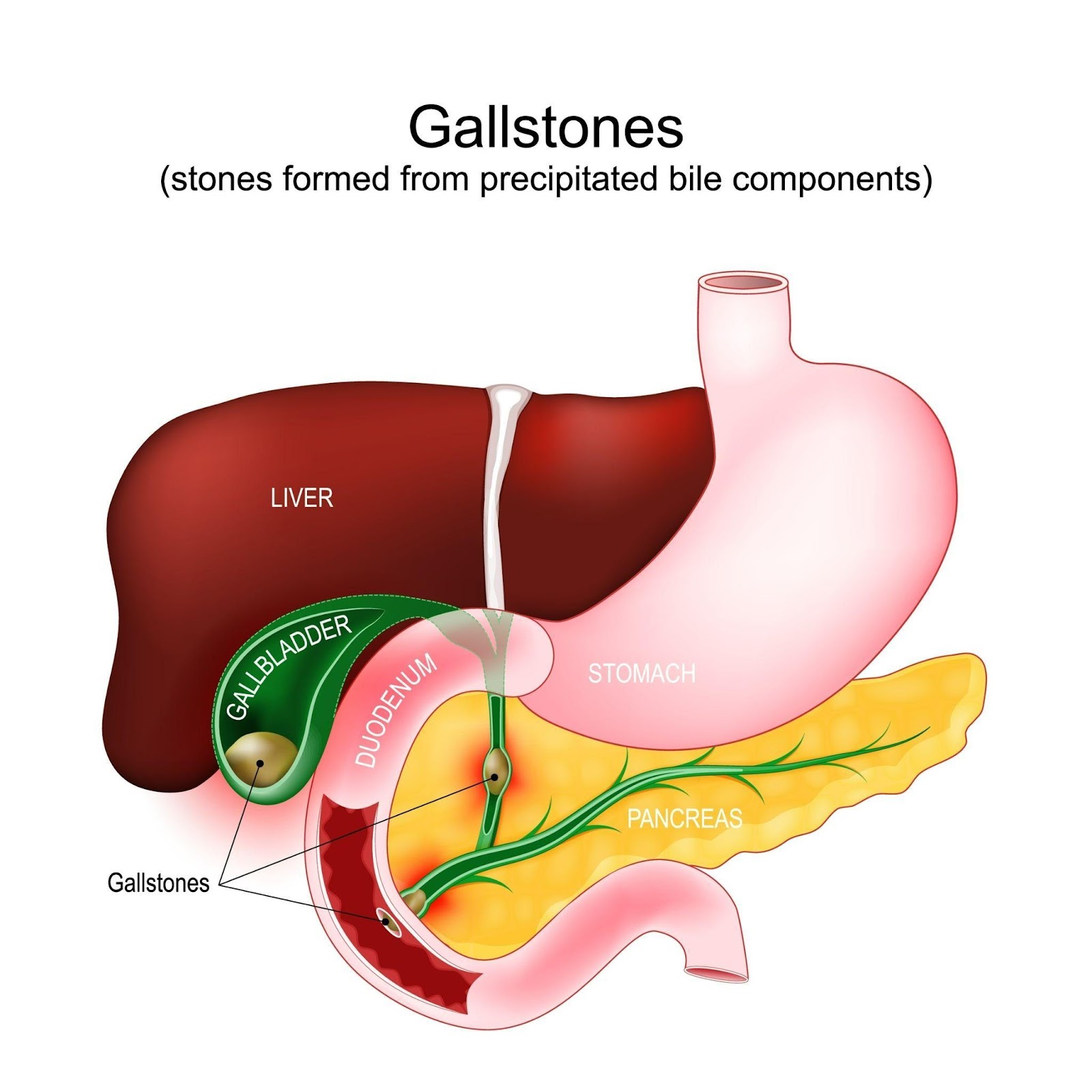
These stones form when the substances that make up bile fall out of balance, causing particles to crystallise and harden inside the gallbladder. Although they may start as tiny grains, they can gradually grow into larger stones or multiple small stones that interfere with normal bile flow.
Some of the factors that stimulate gallstone formation are:
FACTORS | HOW IT FORMS |
Imbalance in Bile Composition | Bile is made of cholesterol, bile salts and bilirubin. When these components are not in the right proportions, crystals begin to form.
|
Gallbladder Motility Problems | Bile must be regularly emptied for it to remain fluid. When the gallbladder does not contract well, bile becomes stagnant and concentrates excessively, creating the ideal environment for crystals to form and settle.
|
Excessive Bile Concentration | The gallbladder normally concentrates bile, but over-concentration increases the likelihood that particles will solidify. Chronic inflammation or structural changes can further worsen this. |
Inflammation and Infection | Long-standing irritation of the gallbladder wall can alter how bile is absorbed and concentrated, indirectly contributing to stone formation. |
It should be noted that gallstones can remain silent for years. This is because symptoms tend to appear once a stone blocks the flow of bile. While these symptoms are kept brief here, each can vary significantly between individuals.
Generally, symptoms include:
Certain groups of people are more prone to developing gallstones because of how their bile is produced, how their gallbladder contracts or how their body processes cholesterol and bilirubin. While anyone can develop gallstones, some factors increase the likelihood more than others, such as:
Gallstones do not always cause problems, but when they block ducts or trigger inflammation, they can lead to several painful and potentially serious complications. This includes, but is not limited to:
The diagnosis process involves a step-by-step process that combines symptom assessment with targeted imaging tests. Because gallstones can present in many ways, accurate and timely diagnosis is essential.
Dr Aaron Poh uses evidence-based investigations to determine whether gallstones are present, whether they are causing symptoms and what the safest treatment approach should be. This typically involves:
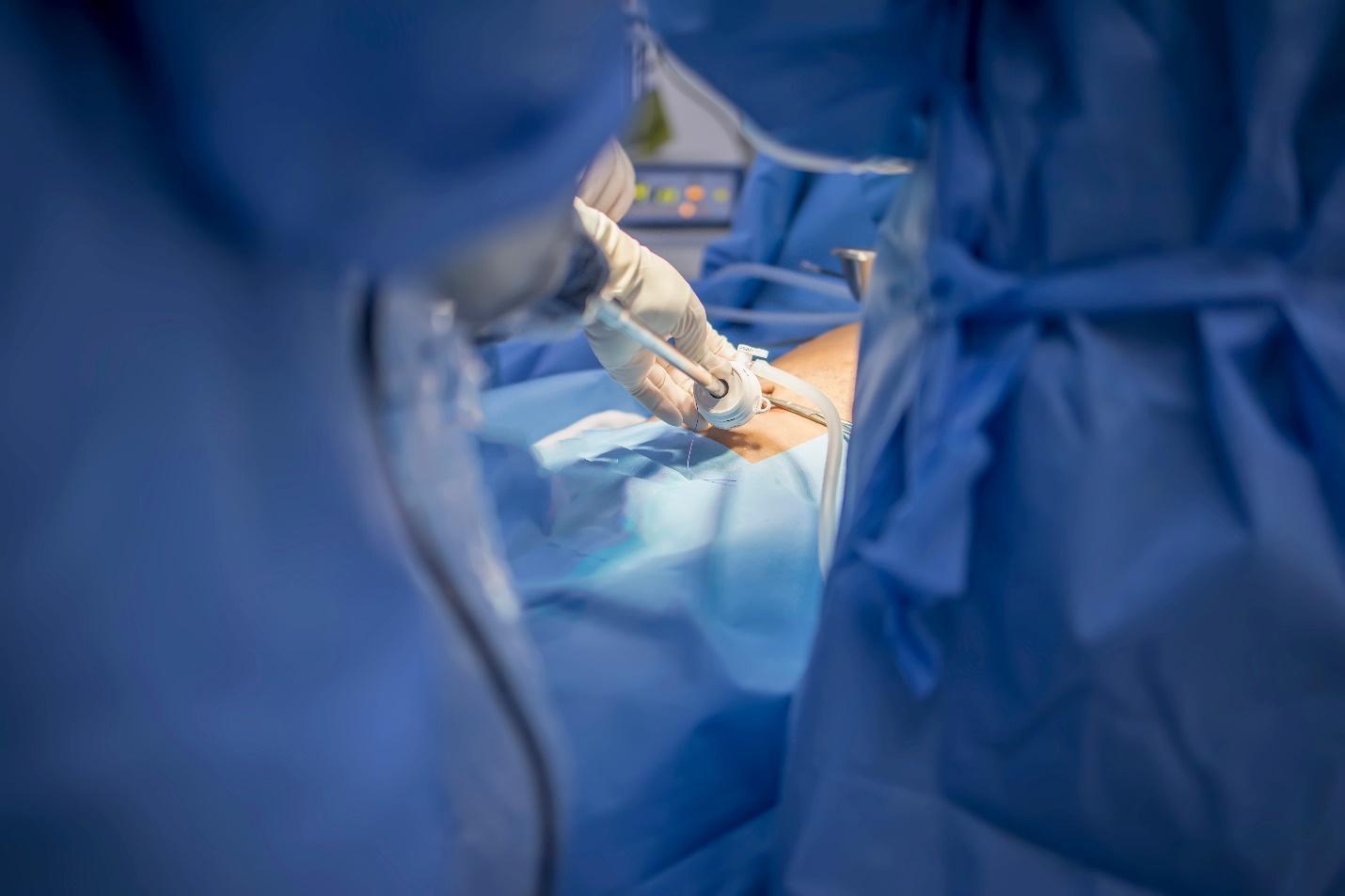
Treatment for gallstones focuses on relieving symptoms, preventing complications and restoring healthy bile flow. It is tailored to each patient based on the severity of the symptoms, the presence of complications and whether stones are located in the gallbladder or bile ducts. While some people only require monitoring, many benefit from definitive treatment to prevent repeated attacks, which entails:
Laparoscopic Cholecystectomy is the established benchmark for symptomatic gallstones. This minimally invasive procedure offers long-term relief because gallstones cannot recur once the gallbladder is removed.
Minimally invasive treatment is recommended when:
Most patients return home the same day or after one night, with a quick recovery and minimal scarring. Digestion remains normal because bile flows directly from the liver to the intestine.
If stones have migrated into the common bile duct, a different approach is needed.
Endoscopic Retrograde Cholangiopancreatography allows doctors to:
ERCP is often performed urgently when patients develop jaundice, fever or pancreatitis. After ductal stones are cleared, gallbladder removal is usually advised to prevent recurrence.
Emergency gallstone surgery is considered when a stone causes sudden blockage or severe inflammation within the gallbladder or bile ducts. In these situations, the priority is to stabilise the patient, relieve obstruction and prevent complications such as infection or pancreatitis. The type of surgery recommended depends on the clinical findings, severity of symptoms and imaging results.
Emergency gallbladder surgery may be advised when any of the following are present:
The most common procedure performed in urgent situations is laparoscopic cholecystectomy, where the gallbladder is removed through small incisions. This approach is typically preferred because removing the gallbladder prevents recurrent attacks once the acute condition is managed.
If a stone is lodged in the common bile duct, an Endoscopic Retrograde Cholangiopancreatography (ERCP) may be performed before or after surgery to remove the obstruction and restore bile flow.
Gallstone complications are a common reason for emergency admissions in Singapore. While some people remain symptom-free, others experience pain, nausea or complications such as gallbladder inflammation or bile duct blockage. Early evaluation and timely treatment can prevent these complications and improve quality of life.
If you experience symptoms suggestive of gallstones, like gallbladder pain, contact us today to schedule an appointment with Dr Aaron Poh for an assessment and personalised treatment plan. It is important to remember that early intervention is key to preventing complications and restoring your digestive health.

Dr Aaron Poh obtained his M.B.B.S (Bachelor of Medicine & Bachelor of Surgery) from the National University of Singapore in 2004. He then entered the MOH General Surgical training programme in 2006 and obtained his Fellowship from the Royal College of Surgeons of Edinburgh (F.R.C.S Edinburgh) in 2015. He was also accepted into the Colorectal Fellowship programme in the Queen Elizabeth Hospital in Birmingham, UK in 2014. His special interest is in minimally invasive colorectal cancer surgery and exenterative surgery for advanced cancers.


Patients are advised to have a consultation with our Surgical Specialist, Dr Aaron Poh to first understand your condition and concerns. After referring you to the appropriate screening tests, he will advise you of your diagnosis and treatment options after the tests and scopes


Copyright © Gallstones Doctor Singapore by Alpine Surgical Practice | Terms & Conditions

Copyright © Gallstones Doctor Singapore by Alpine Surgical Practice | Terms & Conditions