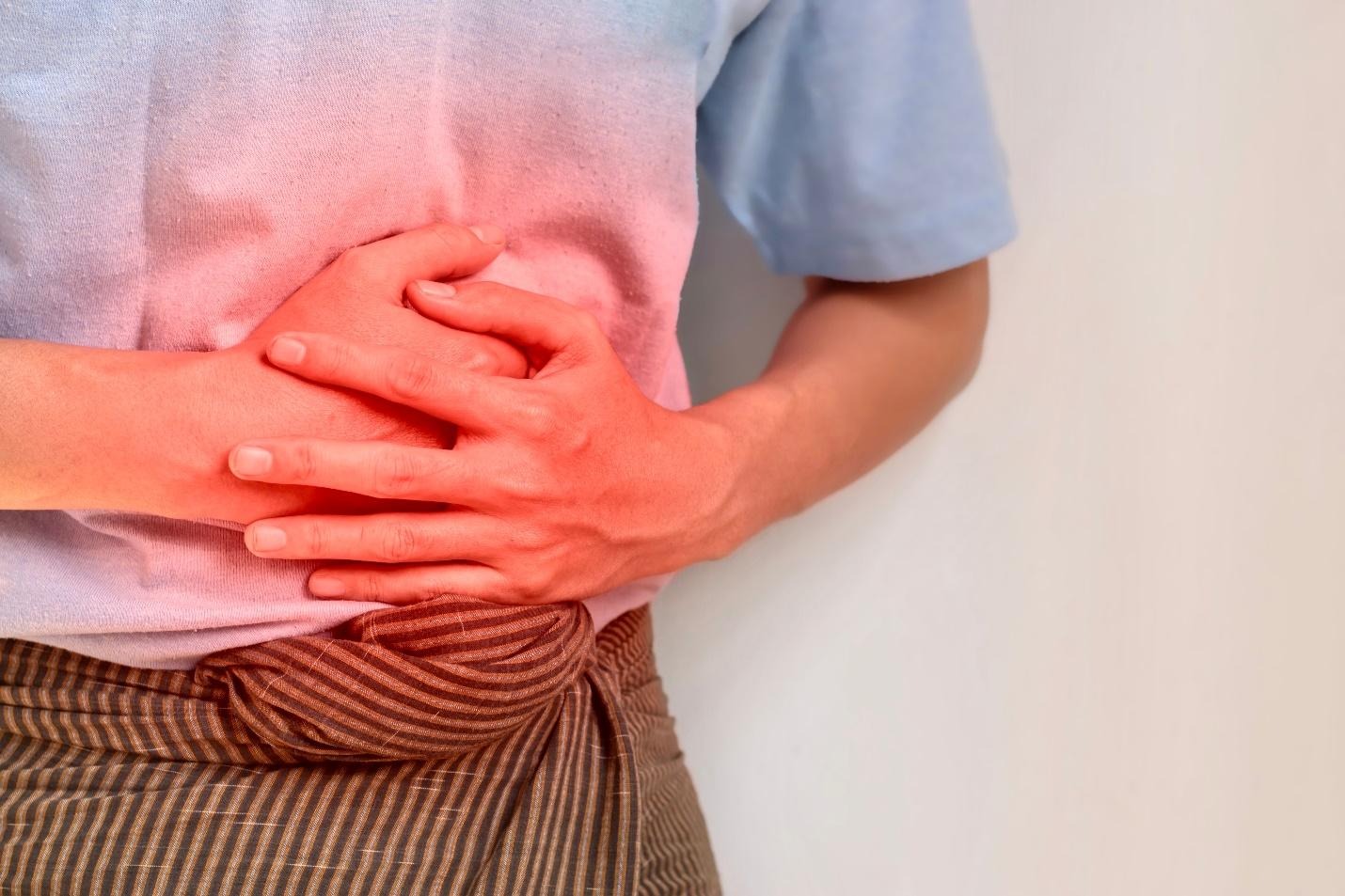
An occasional stomach ache or bout of indigestion is usually nothing to worry about. But when abdominal pain keeps returning or appears alongside other symptoms, it may be worth looking at the gallbladder.
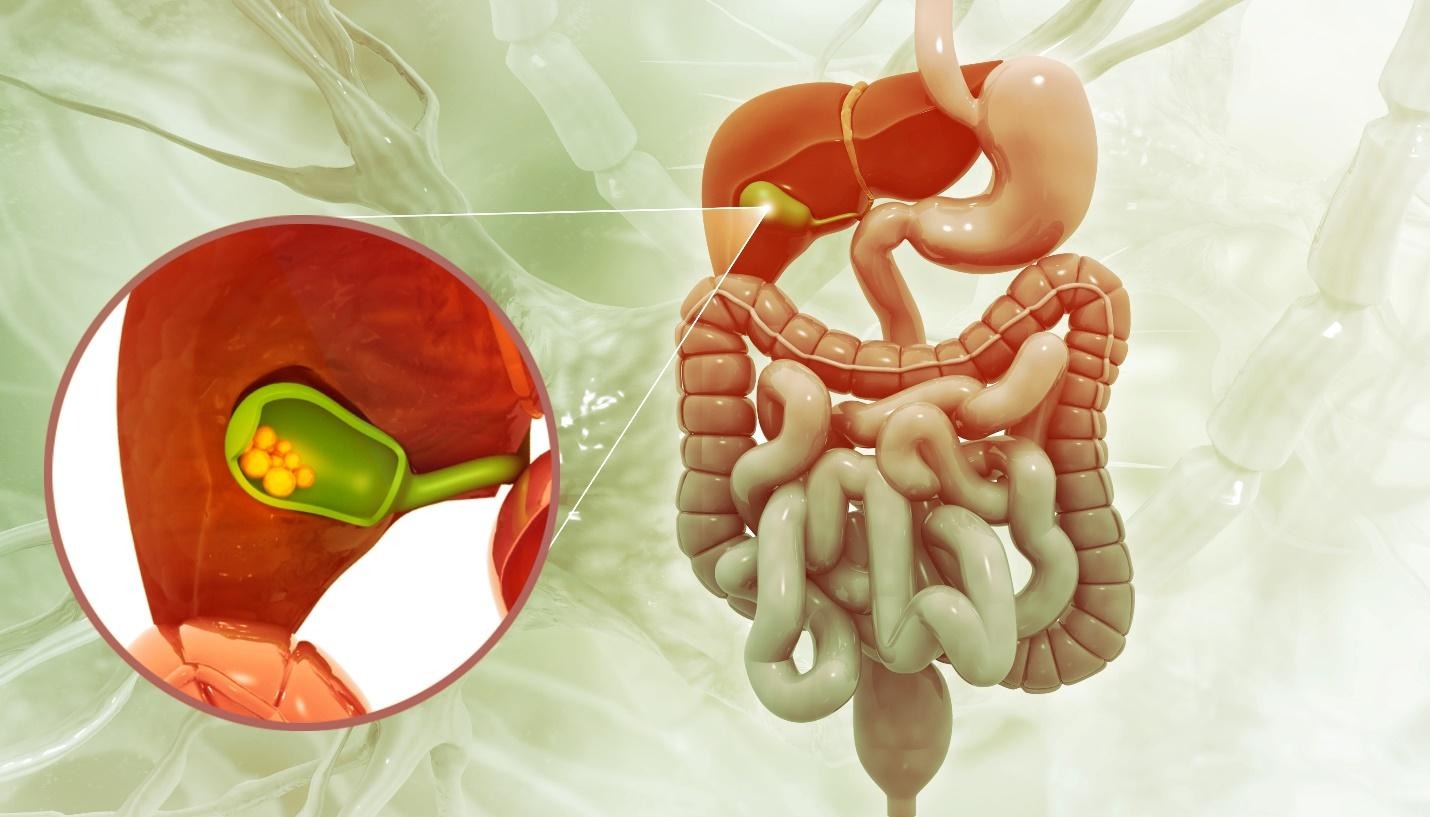
The gallbladder is a small pear-shaped organ about the size of a small avocado located beneath the liver that stores and releases bile to help digest fats. Problems can arise when gallstones form and block the normal flow of bile, sometimes leading to pain, inflammation or infection.
While some gallstones never cause symptoms, certain changes can signal that something is not quite right. Here are five signs that your gallbladder may need medical attention and when it is worth seeing a doctor.
One of the most common signs of a gallbladder problem is pain in the upper right side of the abdomen, just below the ribs. This can occur when a gallstone temporarily blocks the outlet of the gallbladder, causing pressure to build as the gallbladder contracts.
The pain, often called biliary colic, may:
Gallbladder pain can sometimes be mistaken for indigestion or gastric discomfort. A recurring pattern of pain in the same area, particularly after meals, can help distinguish it from more general digestive discomfort.
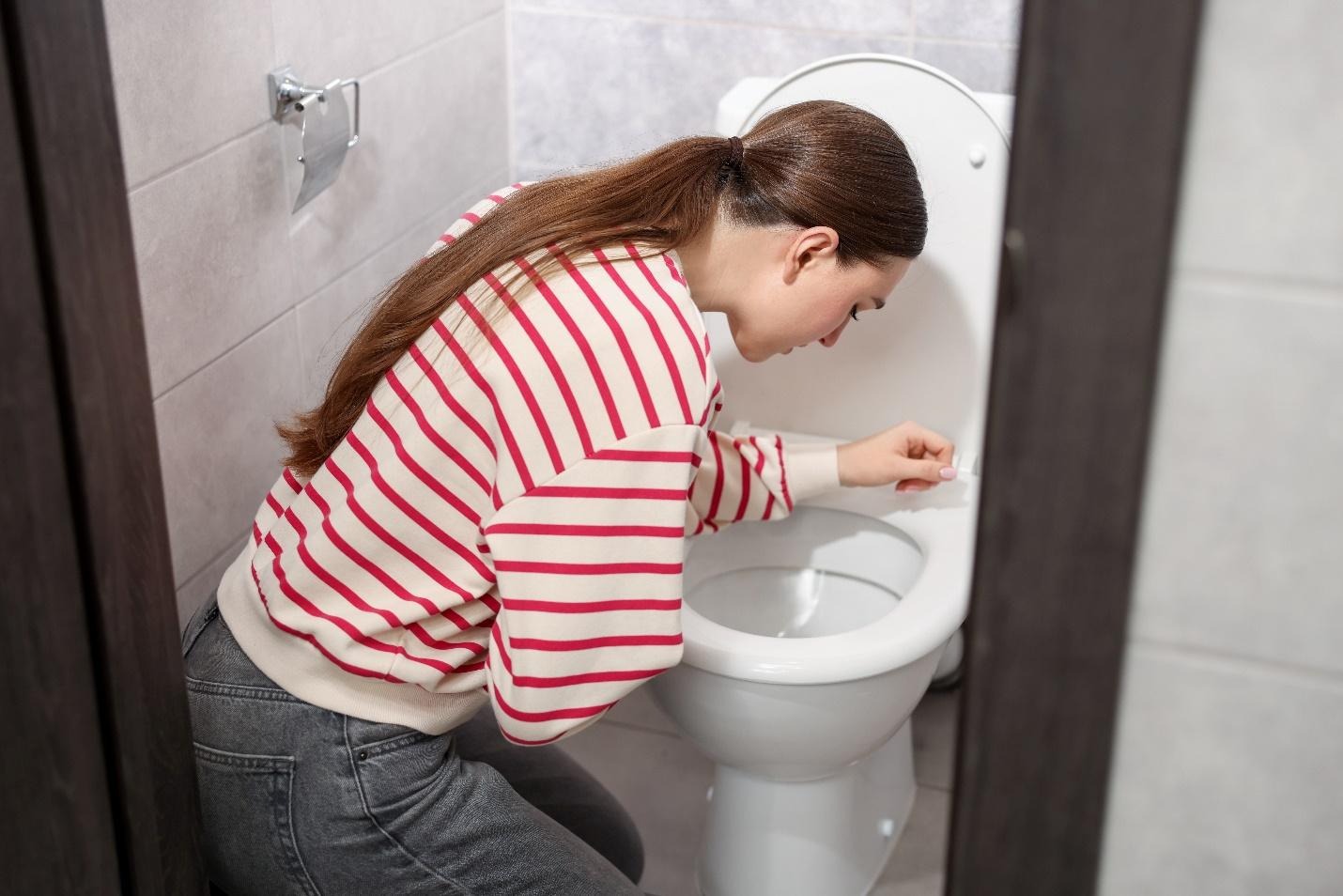
Nausea and vomiting can occur during a gallbladder attack, particularly when the pain is more intense. Some people may also notice that symptoms tend to appear after eating, when the gallbladder contracts to release bile into the digestive system.
On their own, nausea or discomfort after a meal can have many causes and do not necessarily point to the gallbladder. However, when they repeatedly occur together with upper right abdominal pain, they may be part of a pattern of gallstone-related symptoms.
Gallstone pain may settle when a temporary blockage clears. However, pain that does not go away, becomes progressively worse or feels different from previous episodes can be a sign that the gallbladder has become inflamed.
This can occur in acute cholecystitis, where a gallstone blocks the gallbladder outlet for a prolonged period. The upper right abdomen may also feel tender, and taking a deep breath can sometimes make the pain worse.

A fever or chills alongside upper right abdominal pain can suggest that the gallbladder or bile ducts have become inflamed or infected.
These symptoms are more concerning than an isolated episode of gallbladder pain, particularly when the pain is persistent or accompanied by vomiting. In some cases, an infection involving the biliary system can become serious if treatment is delayed.
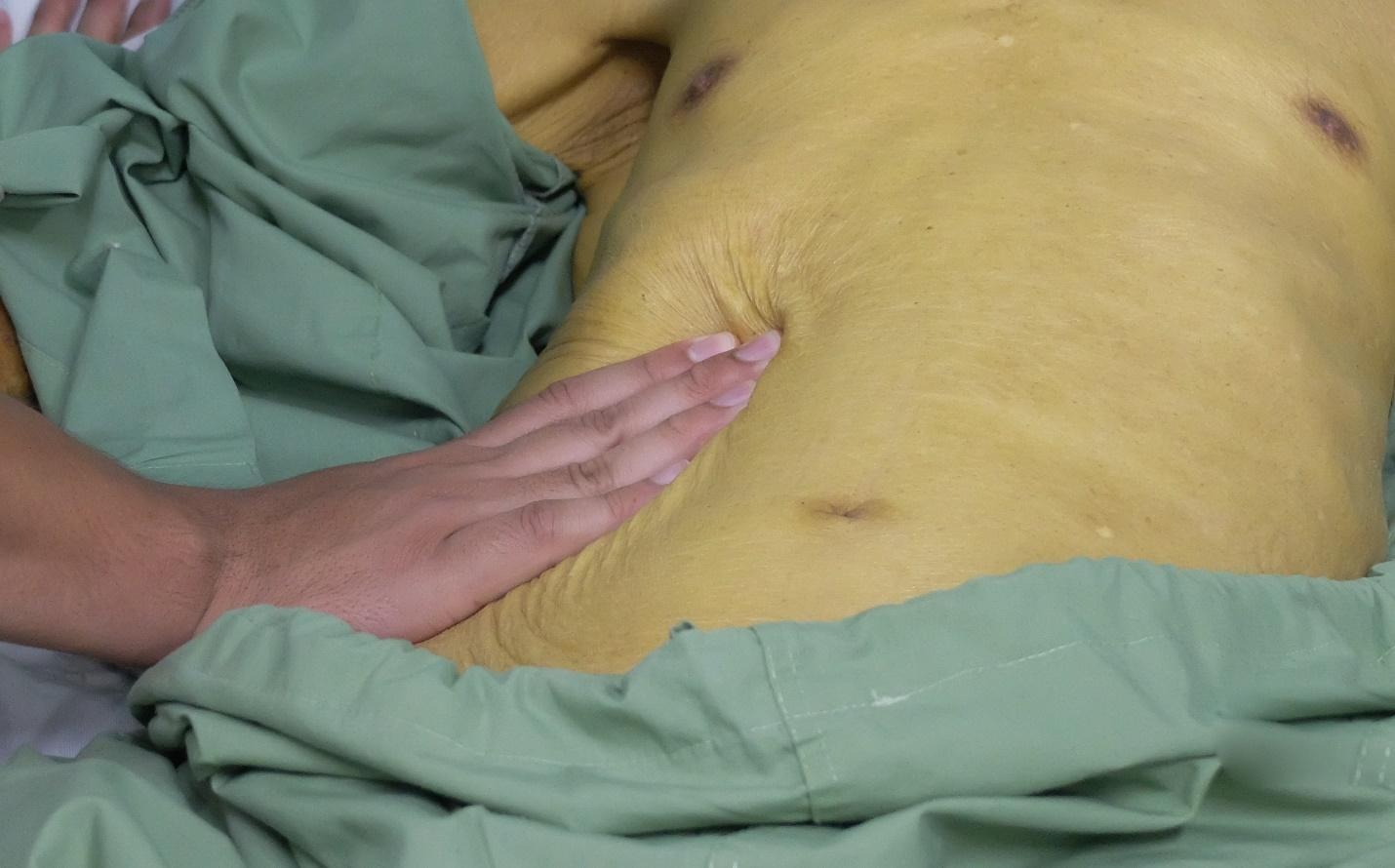
Yellowing of the skin or whites of the eyes, known as jaundice, can occur when bile is unable to drain normally and bilirubin builds up in the bloodstream. In someone with gallstones, this may happen if a stone moves out of the gallbladder and becomes lodged in the common bile duct.
Other signs of a possible bile duct blockage can include:
Not every episode of abdominal discomfort requires emergency care, but certain symptoms can indicate a gallbladder complication that needs prompt assessment.
Seek urgent medical attention if you experience:
What should you do if you notice these signs?
Gallbladder symptoms can vary from occasional episodes of pain to more persistent symptoms caused by inflammation or a blockage. While not every episode of abdominal discomfort is related to the gallbladder, recurring upper right abdominal pain or symptoms such as fever, vomiting or jaundice should not be ignored.
If you have been experiencing symptoms that could be related to gallstones or another gallbladder condition, a consultation can help determine the cause and whether treatment is needed.
At Alpine Surgical Practice, Dr Aaron Poh provides assessment and treatment for gallbladder conditions, including gallstones and their complications. Contact us to arrange a consultation if you have concerns about recurring or persistent gallbladder symptoms.
Gallbladder pain is typically felt in the upper right or upper middle abdomen. It can also spread towards the back or right shoulder blade.
They can. The gallbladder contracts after eating to release bile, and symptoms may occur if a gallstone obstructs the flow of bile. Episodes are often associated with larger or higher-fat meals, although this pattern is not present in everyone.
No. Many gallstones are found incidentally and never cause problems. Treatment is generally considered differently when gallstones begin causing symptoms or complications.
Not necessarily. Whether gallbladder removal is recommended depends on factors such as your symptoms, whether they recur and whether complications have developed. Your doctor can discuss the appropriate approach based on your individual circumstances.


Patients are advised to have a consultation with our Surgical Specialist, Dr Aaron Poh to first understand your condition and concerns. After referring you to the appropriate screening tests, he will advise you of your diagnosis and treatment options after the tests and scopes


Copyright © Gallstones Doctor Singapore by Alpine Surgical Practice | Terms & Conditions

Copyright © Gallstones Doctor Singapore by Alpine Surgical Practice | Terms & Conditions