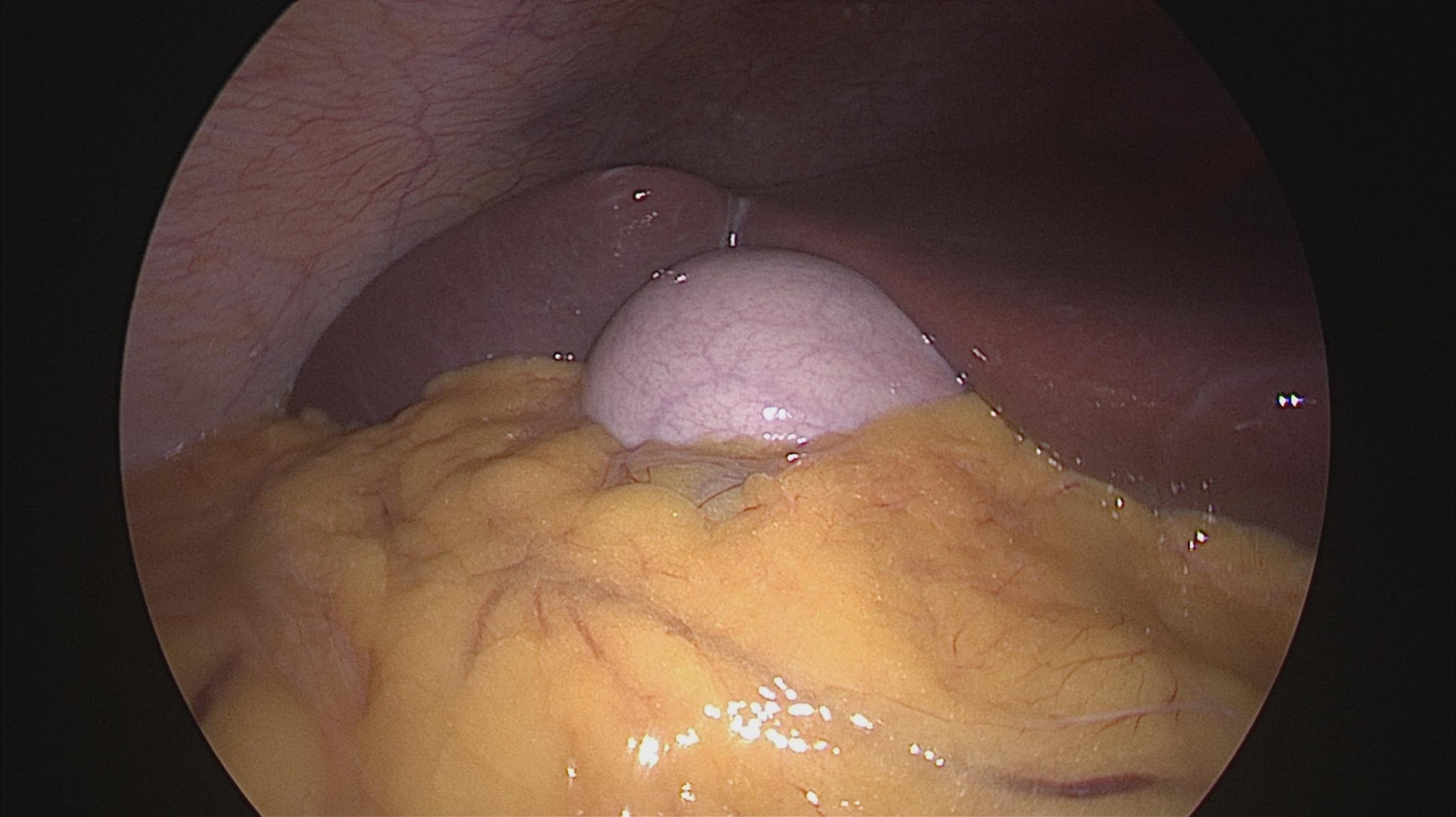
Digestive discomfort after meals is often dismissed as indigestion, especially when symptoms come and go. However, when pain becomes recurrent or begins to follow a clear pattern, particularly after fatty meals, it may point to an underlying gallbladder condition such as gallstones.
Gallstones are a common condition and can remain silent for years. Once symptoms develop, they tend to recur and may worsen over time, occasionally leading to complications if left untreated.
This case study highlights how one patient’s persistent symptoms were linked to gallstones and how timely diagnosis and minimally invasive surgery (keyhole/laparoscopic gallbladder removal) led to a smooth recovery.
The patient was a 30-year-old woman with no significant past medical history. She led a generally healthy lifestyle, with no history of smoking or alcohol consumption.
She presented with recurring digestive symptoms that had begun to affect her daily routine.
The patient described experiencing:
These episodes were not constant but occurred intermittently, often following meals.
Importantly, she did not report:
While the absence of these symptoms suggested that there was no acute complication, the recurring nature of her discomfort raised concern for an underlying biliary condition.
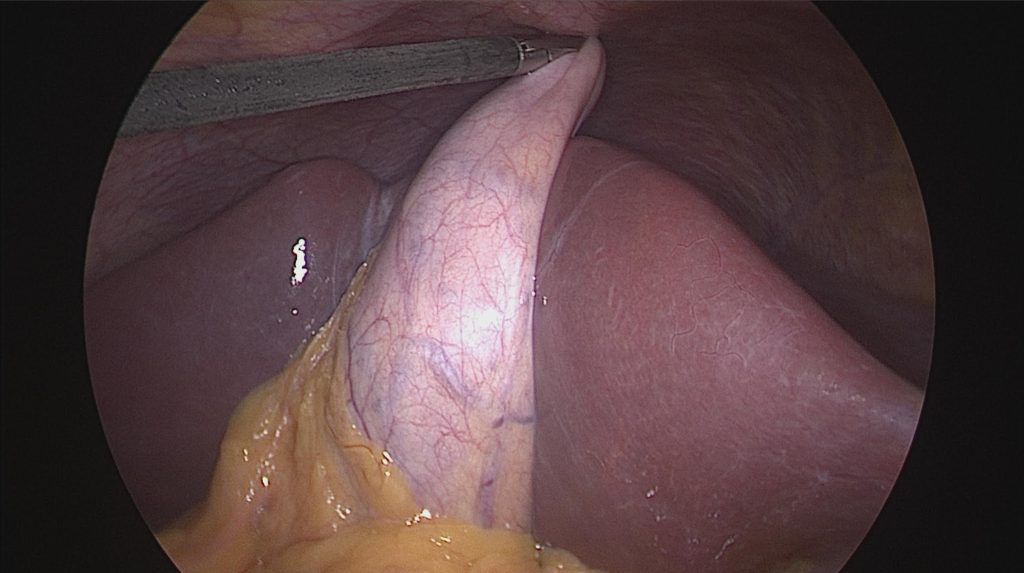
Given the pattern of symptoms, further evaluation was performed.
An abdominal ultrasound revealed:
These findings, together with her symptoms, were consistent with symptomatic cholelithiasis (gallstones causing symptoms), with features suggestive of chronic cholecystitis (link to cholecystitis), a condition where the gallbladder becomes repeatedly inflamed over time.
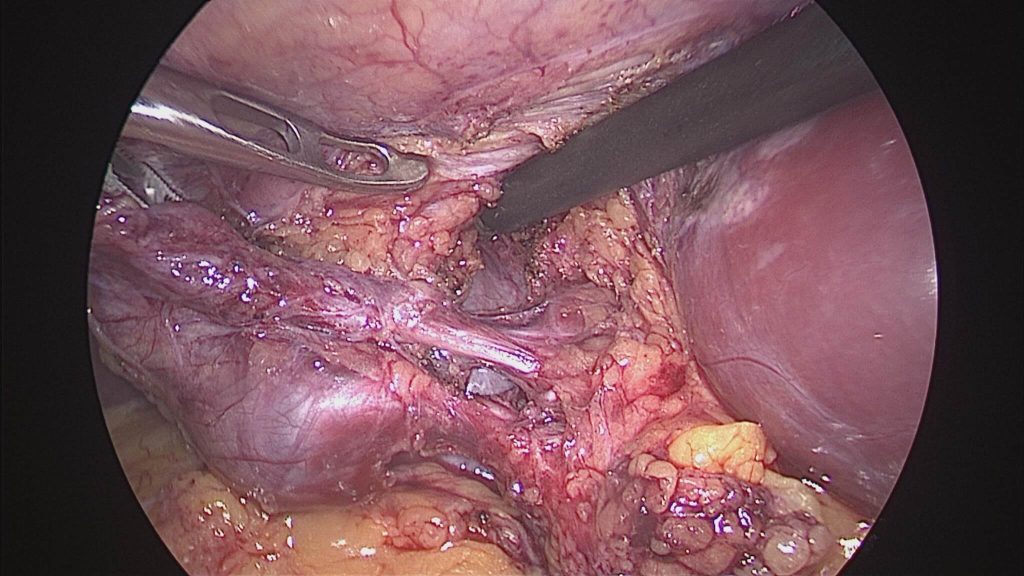
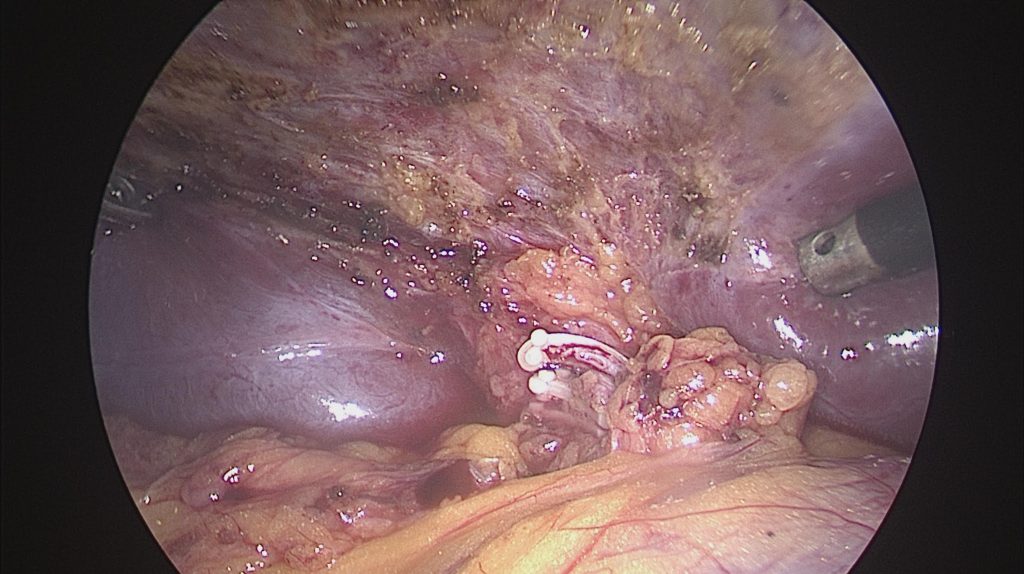
After discussing the findings and available options, the patient proceeded with a laparoscopic cholecystectomy, a minimally invasive procedure to remove the gallbladder.
This approach was recommended because:
Laparoscopic surgery allows for smaller incisions, less post-operative discomfort and faster recovery compared to open surgery.
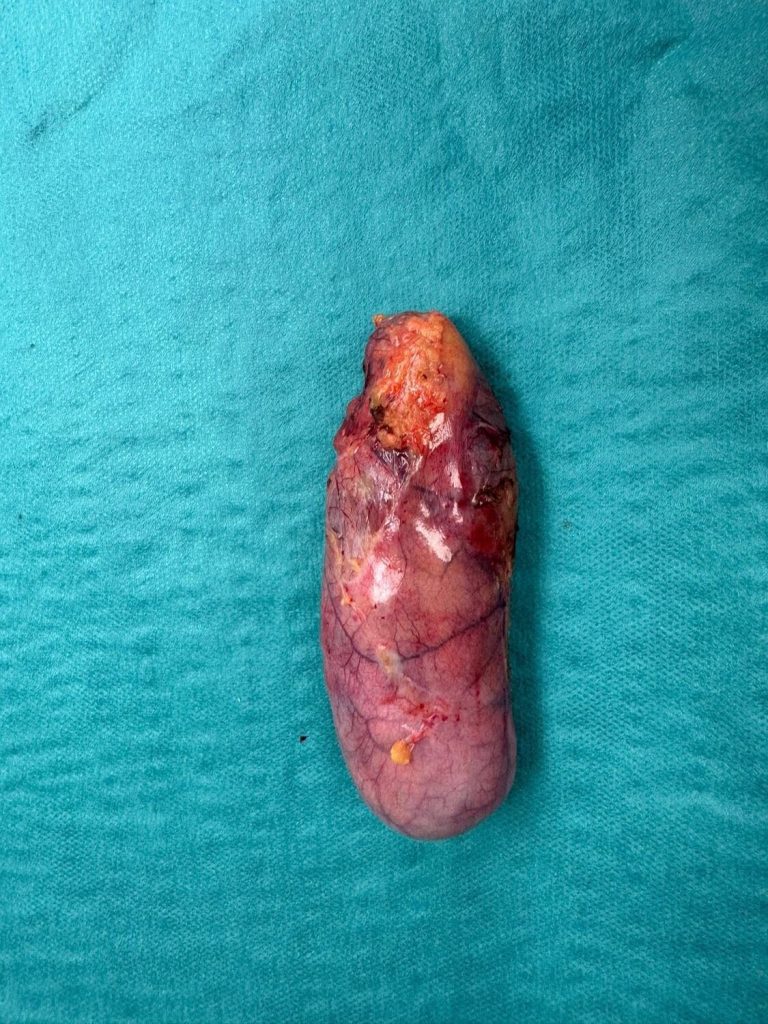
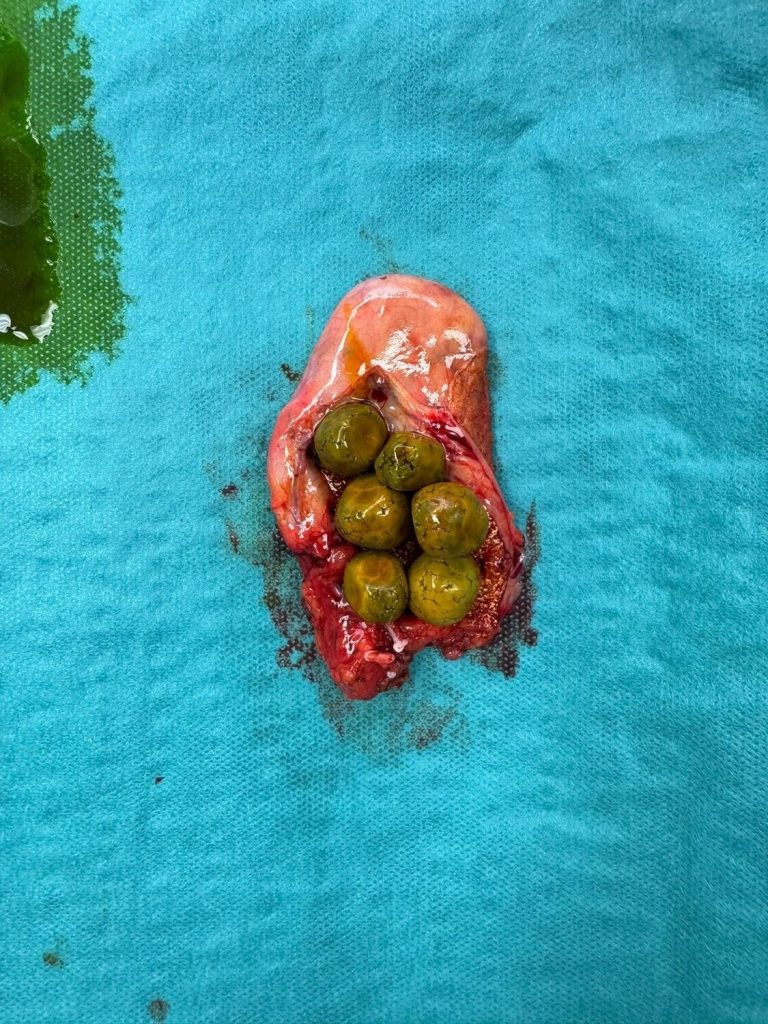
Extracted gallstones following removal, confirming the source of the patient’s symptoms.
The surgery was performed under general anaesthesia using a minimally invasive approach.
During the procedure, the gallbladder was carefully visualised and removed. The intraoperative findings were consistent with preoperative imaging, confirming the presence of gallstones and features of chronic inflammation.
The patient’s recovery was smooth and uneventful.
She remained clinically stable after the procedure and was discharged well, with no immediate complications.
Following surgery:
If you are experiencing recurring pain or discomfort after meals, especially with fatty foods, it is worth getting checked early. Do contact us to schedule an appointment and receive timely treatment for gallstones, which can prevent complications and bring lasting relief.
Patient details have been anonymised and modified to protect confidentiality. The information presented is for general educational purposes.


Patients are advised to have a consultation with our Surgical Specialist, Dr Aaron Poh to first understand your condition and concerns. After referring you to the appropriate screening tests, he will advise you of your diagnosis and treatment options after the tests and scopes


Copyright © Gallstones Doctor Singapore by Alpine Surgical Practice | Terms & Conditions

Copyright © Gallstones Doctor Singapore by Alpine Surgical Practice | Terms & Conditions