It is a procedure designed to stabilise, protect and restore health during a critical moment, helping patients recover from a condition that can worsen rapidly without timely care.

Emergency gallbladder surgery is performed to remove the gallbladder before the condition becomes life-threatening. Unlike scheduled procedures, this surgery is carried out quickly to stop the infection from spreading, relieve dangerous pressure inside the gallbladder and prevent complications such as rupture or sepsis. Most cases are still done through keyhole (laparoscopic) surgery, but if the inflammation is severe, an open approach may be needed for safety.
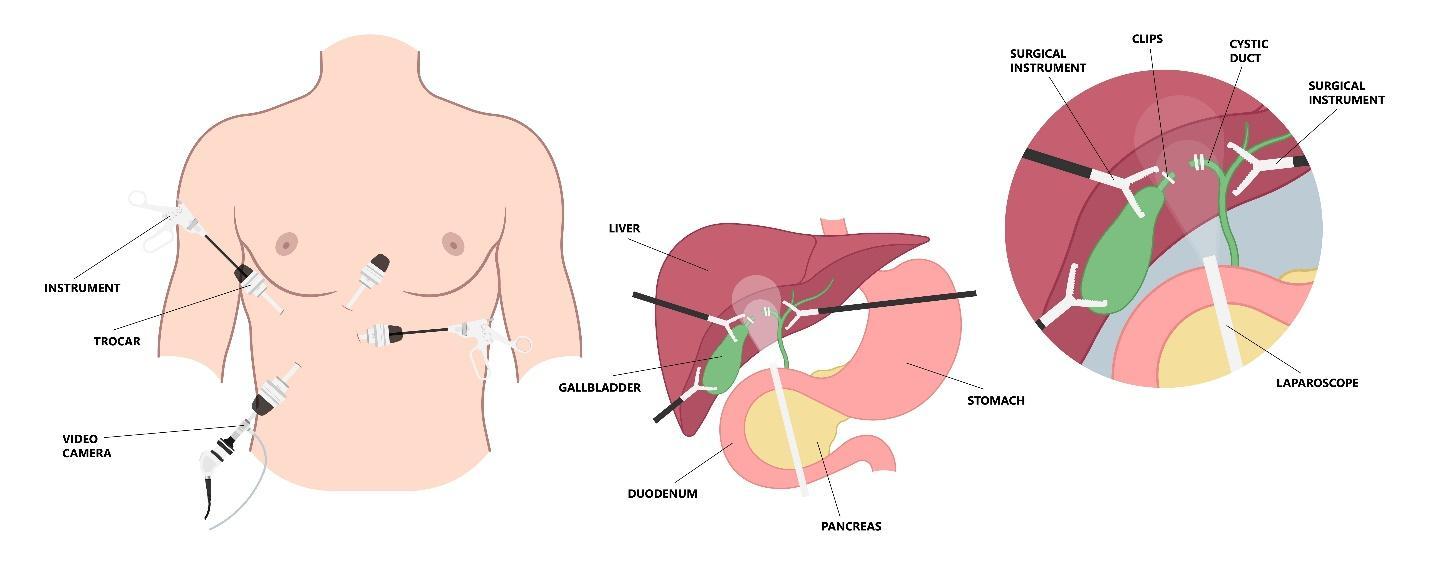
The procedure becomes necessary when gallbladder disease progresses rapidly or becomes unstable. These situations can put stress on the body and create dangerous infections that spread beyond the gallbladder.
Some of the common reasons include:
Additionally, emergency issues can also develop from unrelated factors such as:
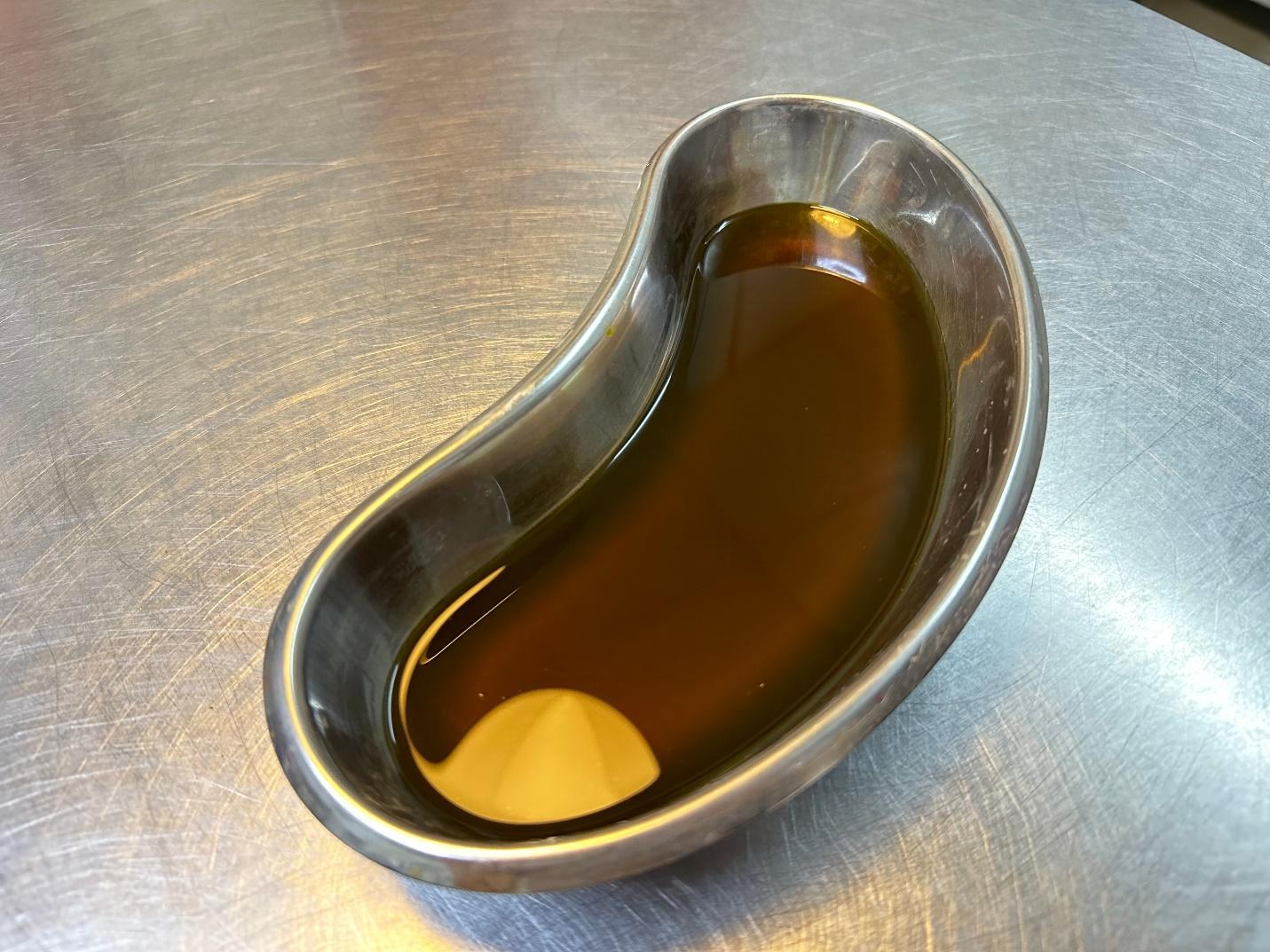
Emergency gallbladder conditions often develop suddenly and become severe within hours. As such, it is important to recognise the warning signs as it helps ensure timely treatment.
This may include:
When the gallbladder becomes unstable or infected, delaying surgery can lead to serious complications. This includes:
Although the situation may feel urgent or overwhelming, emergency gallbladder surgery follows a structured and careful process. Dr Aaron Poh’s goal is always the same, which is to stabilise the patient, remove the source of infection or blockage and restore safety as quickly as possible.
The process typically involves:
Removal of infected fluids – the surgeon then washes out any pus, bile leakage or infected fluid within the abdomen. Clearing these pockets reduces the risk of persistent infection or complications later, helping the body recover more smoothly after surgery.
Yes, a planned gallbladder removal can sometimes turn into an emergency if symptoms suddenly worsen. Even patients with mild or intermittent gallstone issues can experience sudden blockage or infection.
Situations where elective surgery becomes urgent include:
People who undergo emergency surgery often start from very different health situations. These differences influence how quickly the body heals, how long antibiotics are needed and how soon someone can return to normal activities.

Even so, most patients steadily improve with proper care and the medical team tailors the recovery plan to match each individual’s condition and needs. This may entail:
Emergency gallbladder surgery addresses urgent, potentially life-threatening conditions. Quick intervention not only relieves severe pain but also prevents serious complications such as perforation, infection or pancreatitis. Early recognition of symptoms like severe abdominal pain, fever and jaundice can save lives.
If you experience sudden, intense abdominal pain or other concerning symptoms, do not delay seeking medical attention. Dr Aaron Poh offers prompt assessment and surgical care to ensure safe and effective treatment. Book an urgent consultation immediately if symptoms arise.

Dr Aaron Poh obtained his M.B.B.S (Bachelor of Medicine & Bachelor of Surgery) from the National University of Singapore in 2004. He then entered the MOH General Surgical training programme in 2006 and obtained his Fellowship from the Royal College of Surgeons of Edinburgh (F.R.C.S Edinburgh) in 2015. He was also accepted into the Colorectal Fellowship programme in the Queen Elizabeth Hospital in Birmingham, UK in 2014. His special interest is in minimally invasive colorectal cancer surgery and exenterative surgery for advanced cancers.


Patients are advised to have a consultation with our Surgical Specialist, Dr Aaron Poh to first understand your condition and concerns. After referring you to the appropriate screening tests, he will advise you of your diagnosis and treatment options after the tests and scopes


Copyright © Gallstones Doctor Singapore by Alpine Surgical Practice | Terms & Conditions

Copyright © Gallstones Doctor Singapore by Alpine Surgical Practice | Terms & Conditions