Cholecystitis refers to the inflammation of the gallbladder. When the gallbladder becomes inflamed, the result can be sudden, severe pain and a range of digestive issues.

The condition requires prompt medical attention, as untreated inflammation can progress quickly and lead to more serious health problems.
While cholecystitis is often linked to gallstones, it can also occur due to infections, bile duct problems or reduced blood flow to the gallbladder.
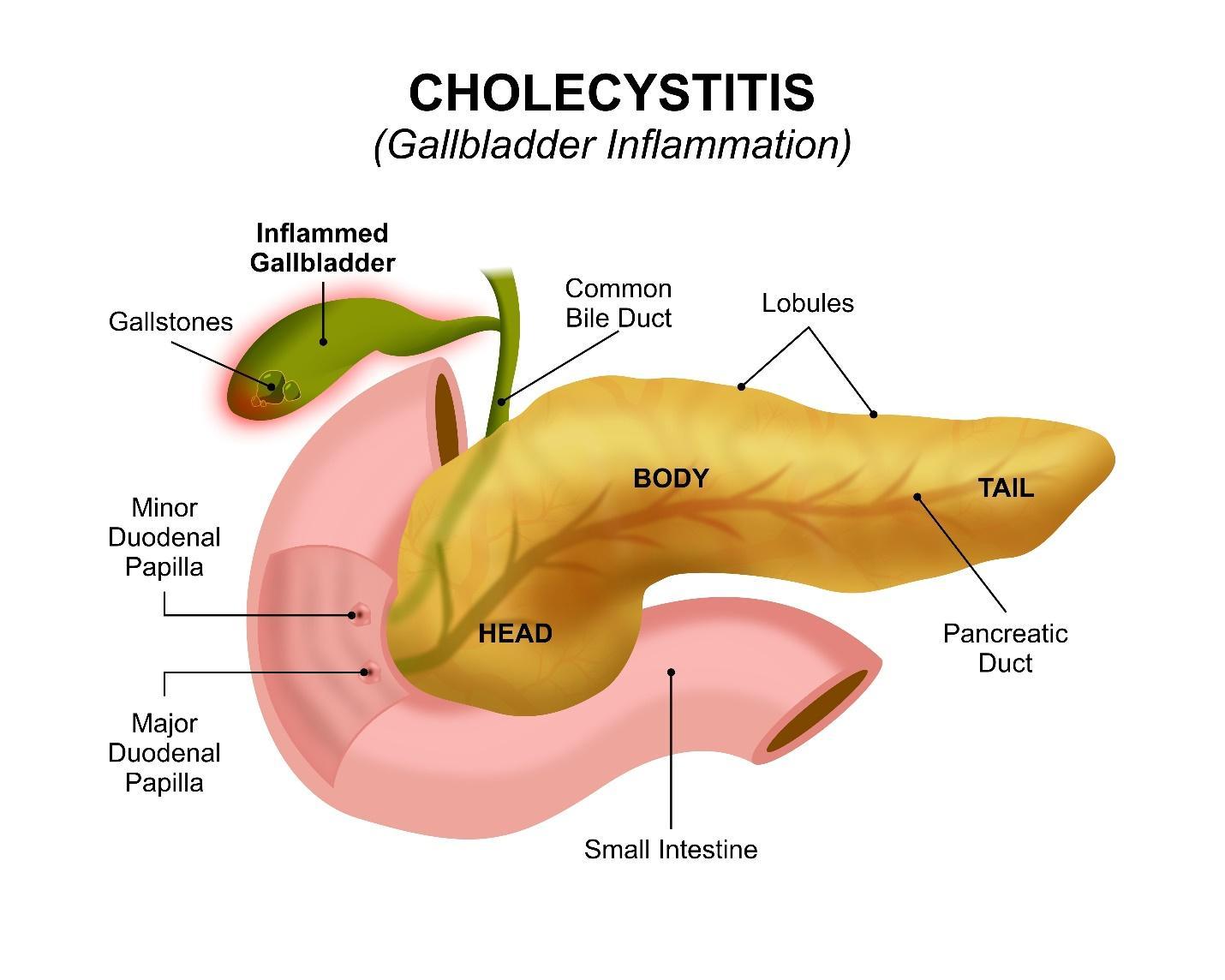
The condition is broadly divided into four forms. Each has its own characteristics, severity and clinical implications, such as:
| TYPES | CHARACTERISTICS |
| Acute Cholecystitis | Acute cholecystitis occurs suddenly, often presenting with sharp pain, fever and nausea. It usually happens when the gallbladder becomes inflamed in a short span of time and typically requires prompt medical attention. Without timely treatment, the inflammation can progress, increasing the risk of infection or complications. |
| Chronic Cholecystitis | Chronic cholecystitis develops more gradually. Repeated episodes of irritation or inflammation cause the gallbladder wall to thicken and stiffen, reducing its ability to function properly. Many patients experience ongoing digestive discomfort or recurrent bouts of pain, especially after meals containing fat. |
| Acute Calculous Cholecystitis | This type is linked to gallstones. When a stone blocks the cystic duct, bile becomes trapped inside the gallbladder, leading to irritation, swelling and sometimes infection. Calculous cholecystitis accounts for most cases and is more likely to cause severe symptoms such as intense upper abdominal pain and fever. |
| Acalculous Cholecystitis | Acalculous cholecystitis refers to gallbladder inflammation that develops without the presence of gallstones. It often affects individuals recovering from major illnesses, surgery or trauma and may progress more quickly than calculous cholecystitis. Reduced blood flow, bile stasis or infection can all contribute to its development. |
Although gallstones are the most common trigger, several other mechanisms can inflame the gallbladder. These processes are distinct and may occur independently or in combination.
This includes, but is not limited to:
Cholecystitis usually presents with acute symptoms, although the severity can vary. The common symptoms include:
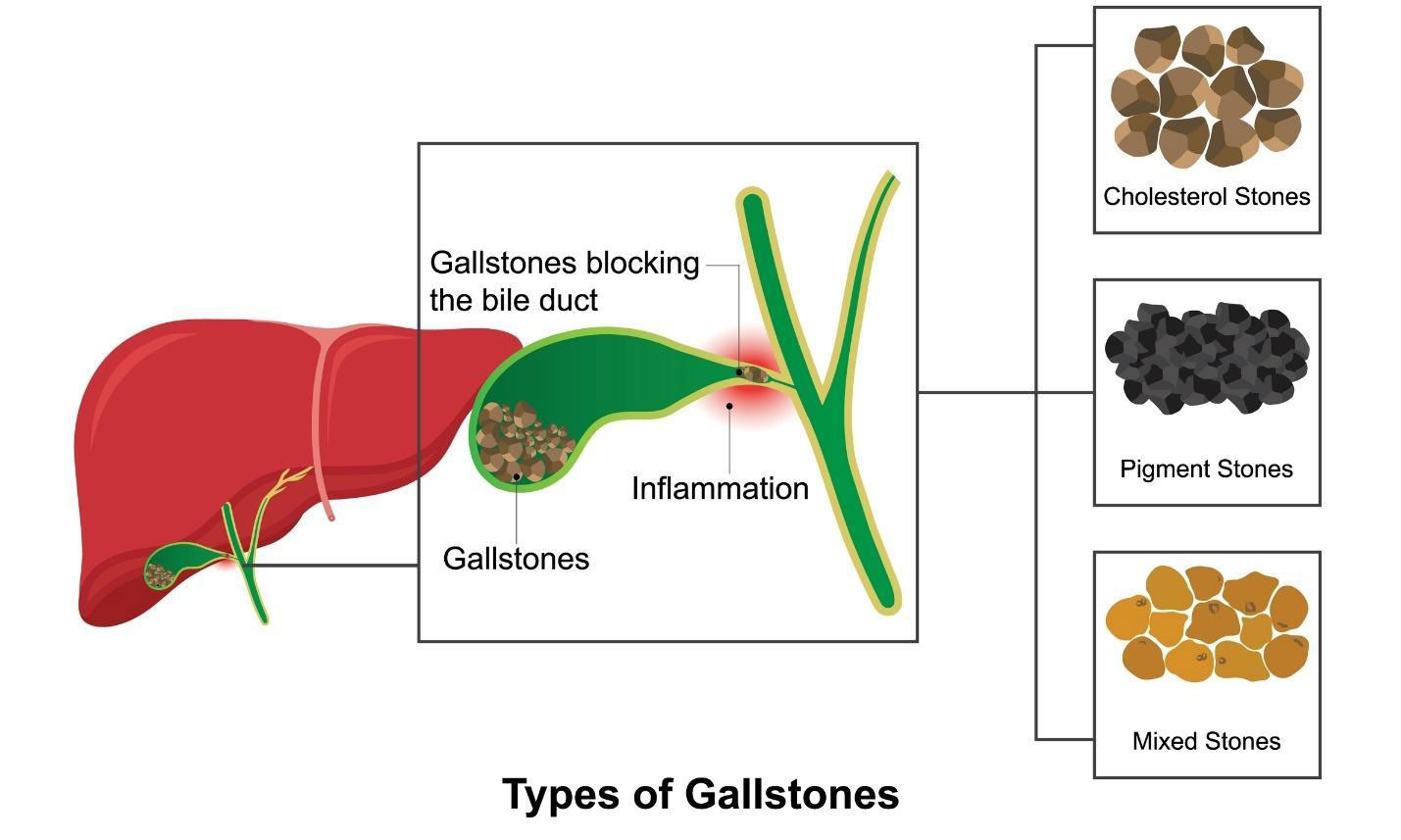
Certain individuals have a higher likelihood of developing cholecystitis because of how their body processes bile, stores fat or responds to hormonal changes. While anyone can experience gallbladder inflammation, some patterns consistently increase the risk, such as:
Untreated cholecystitis can progress from a painful but manageable condition to a medical emergency. When inflammation remains unresolved, the gallbladder can become severely damaged.
Some of the potential risks and complications of delaying treatment are:
Getting the right diagnosis is essential because gallstone symptoms can overlap with many other abdominal conditions. A proper assessment helps Dr Aaron Poh confirm the cause of your discomfort, check for complications and determine the safest, most effective treatment plan for you. It also ensures you avoid unnecessary delays, which can worsen inflammation or infection over time.
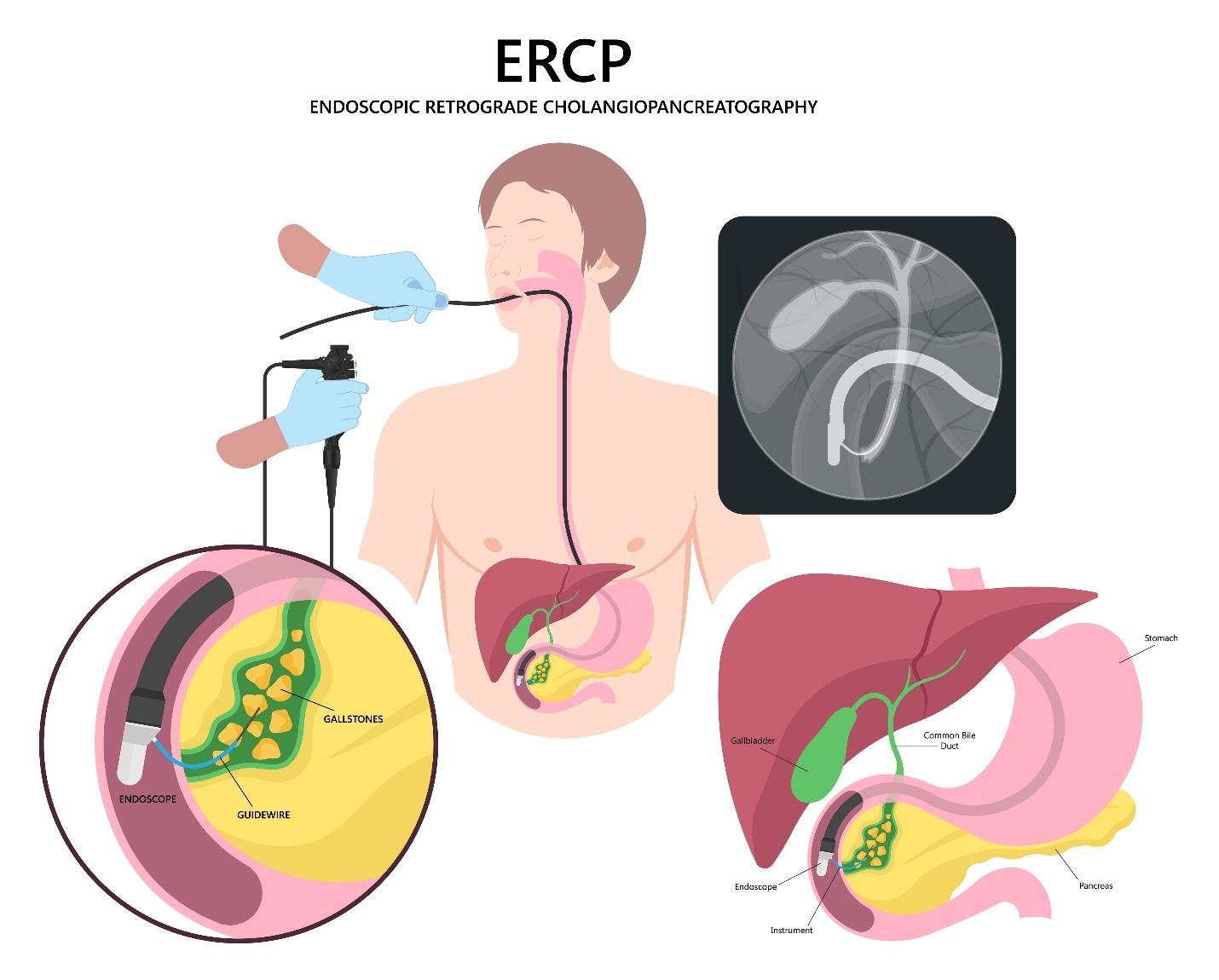
The diagnostic methods often involve:

The treatment plan is tailored to your symptoms, the type of gallbladder inflammation and whether complications are present. It is important to seek timely intervention as it helps prevent repeated attacks, infections and long-term issues.
After confirming a diagnosis, our doctor will guide you through the safest and most effective options. This will be based on your health, lifestyle and severity of your condition. Dr Aaron Poh will usually outline a treatment plan that combines the following methods:
Cholecystitis is a painful and potentially serious inflammation of the gallbladder that should never be ignored. With early assessment and proper treatment, most patients recover well and avoid long-term complications. In fact, by understanding the symptoms, causes and treatment options, it will help patients seek timely care and prevent the condition from escalating.
If you are experiencing persistent abdominal pain, fever or digestive discomfort, early evaluation can make a crucial difference. Do contact us to schedule an appointment and receive a precise diagnosis and personalised treatment to help you return to good health safely and confidently.

Dr Aaron Poh obtained his M.B.B.S (Bachelor of Medicine & Bachelor of Surgery) from the National University of Singapore in 2004. He then entered the MOH General Surgical training programme in 2006 and obtained his Fellowship from the Royal College of Surgeons of Edinburgh (F.R.C.S Edinburgh) in 2015. He was also accepted into the Colorectal Fellowship programme in the Queen Elizabeth Hospital in Birmingham, UK in 2014. His special interest is in minimally invasive colorectal cancer surgery and exenterative surgery for advanced cancers.


Patients are advised to have a consultation with our Surgical Specialist, Dr Aaron Poh to first understand your condition and concerns. After referring you to the appropriate screening tests, he will advise you of your diagnosis and treatment options after the tests and scopes


Copyright © Gallstones Doctor Singapore by Alpine Surgical Practice | Terms & Conditions

Copyright © Gallstones Doctor Singapore by Alpine Surgical Practice | Terms & Conditions