Bile flows through a delicate network of ducts that carry it from the liver and gallbladder into the small intestine. When this flow is smooth, digestion stays comfortable and the body can break down fats efficiently.
However, trouble begins when a stone becomes trapped in the bile duct. Blockage causes bile to build up, leading to jaundice, pain and in more serious cases, an infection known as cholangitis, which is known as bile duct infection. These symptoms should never be ignored, as they often signal a problem that needs timely medical care.

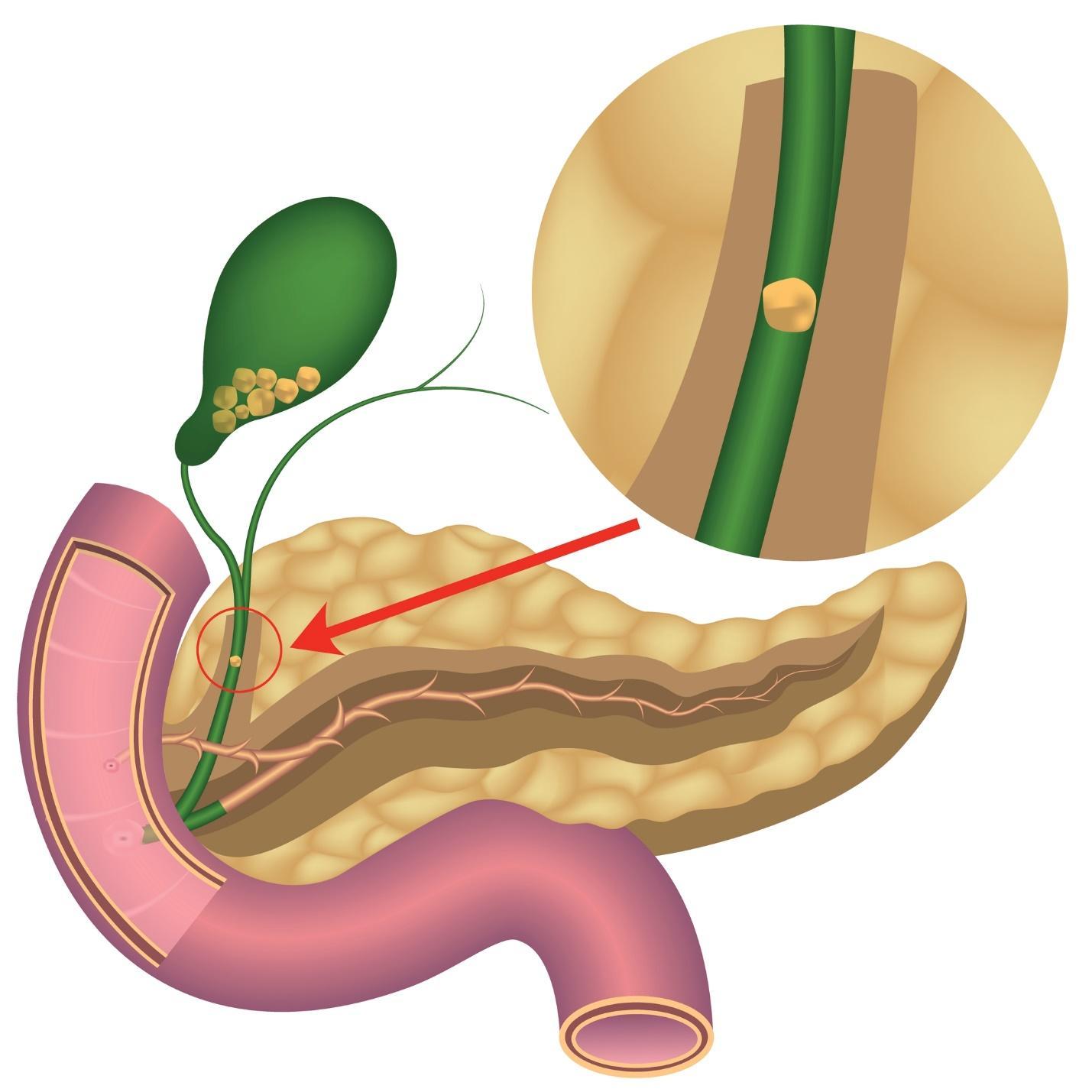
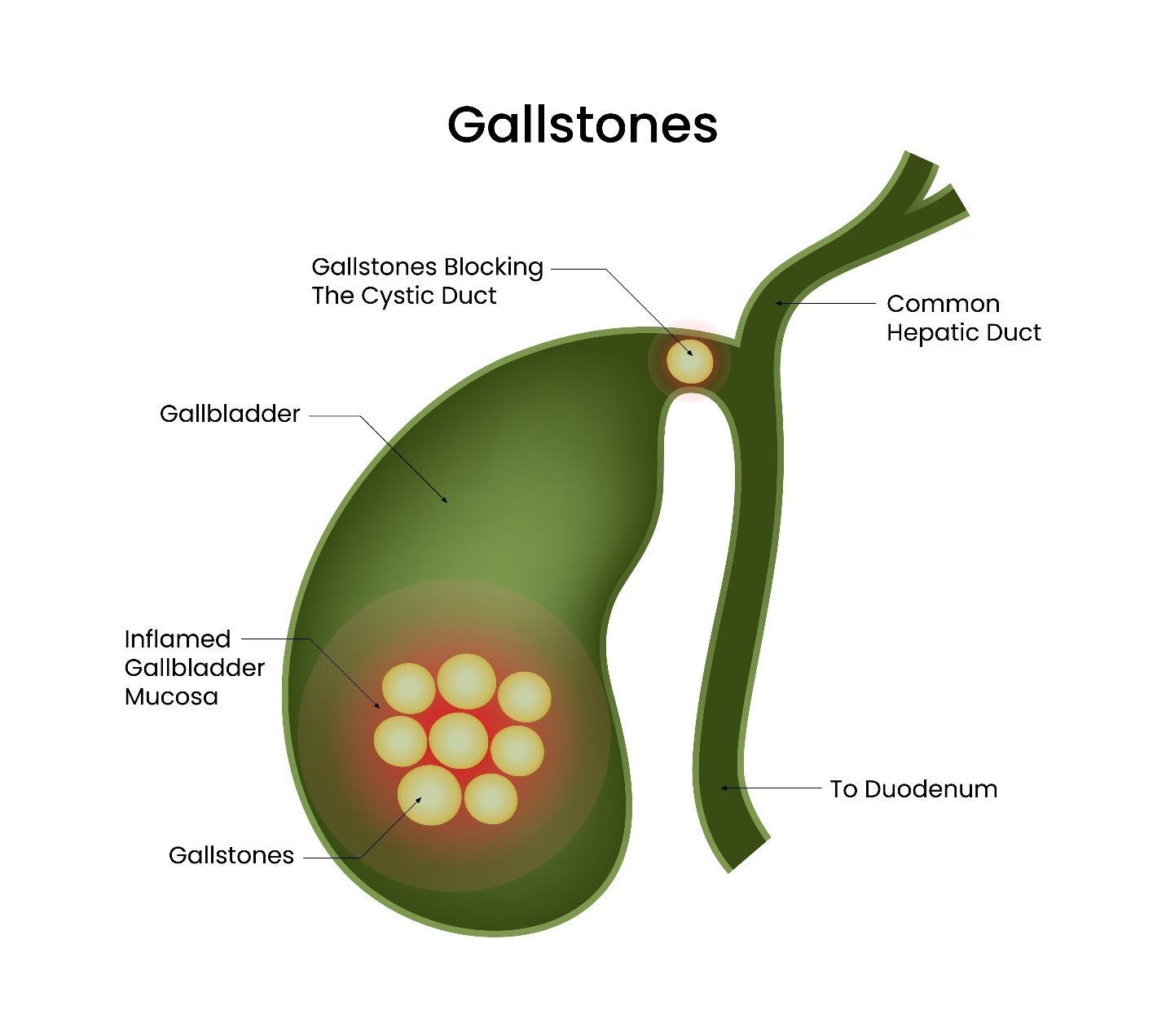
Bile duct stones develop when a gallstone migrates from the gallbladder and becomes stuck in the common bile duct.
Some stones also form directly in the duct, especially when bile becomes thick or stagnant.
Once the duct is blocked, bile struggles to drain properly. As pressure increases, the liver cannot clear bile pigments effectively and inflammation may follow. This is why symptoms tend to escalate quickly when bile duct stones are present.
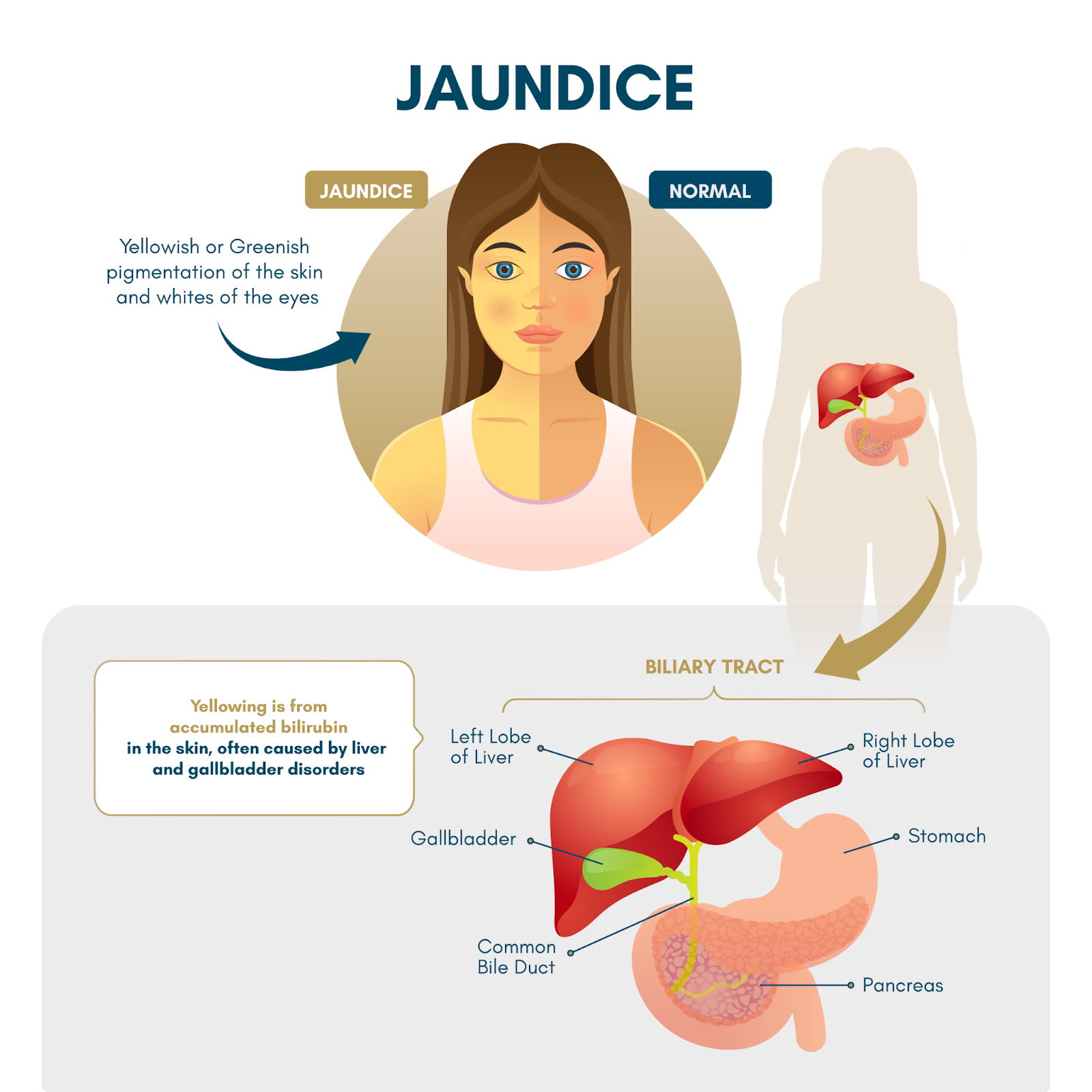
Jaundice occurs when bilirubin, a yellow pigment found in bile, accumulates in the blood.
When the bile duct is blocked, this pigment cannot reach the intestines as it normally would. It instead builds up in the bloodstream, causing the skin and eyes to turn yellow. This condition is called jaundice and it is often the first visible sign that something is obstructing the bile ducts.
Cholangitis develops when bacteria enter the bile duct as a result of a blockage that leaves bile stagnant. This trapped bile becomes an ideal environment for infection.
People often develop fever, chills, jaundice and abdominal pain. Because infection can spread rapidly to the bloodstream, cholangitis is considered a medical emergency that requires urgent treatment.
The common bile duct is a narrow passageway, so even a small stone can disrupt the entire system. Once a stone becomes lodged inside the duct, bile cannot drain into the intestine as it should. Pressure builds behind the blockage and bile starts to back up toward the liver. This causes bilirubin to rise in the bloodstream, leading to yellowing of the skin and eyes.
Stagnant bile then creates an ideal environment for bacteria to multiply. These bacteria typically enter from the intestine and can spread rapidly when the flow is obstructed. As a result, what begins as a simple blockage can progress into cholangitis, a serious infection that causes fever, chills and worsening abdominal pain.
This chain reaction can move rapidly, which is why early detection and removal of the obstruction are important.
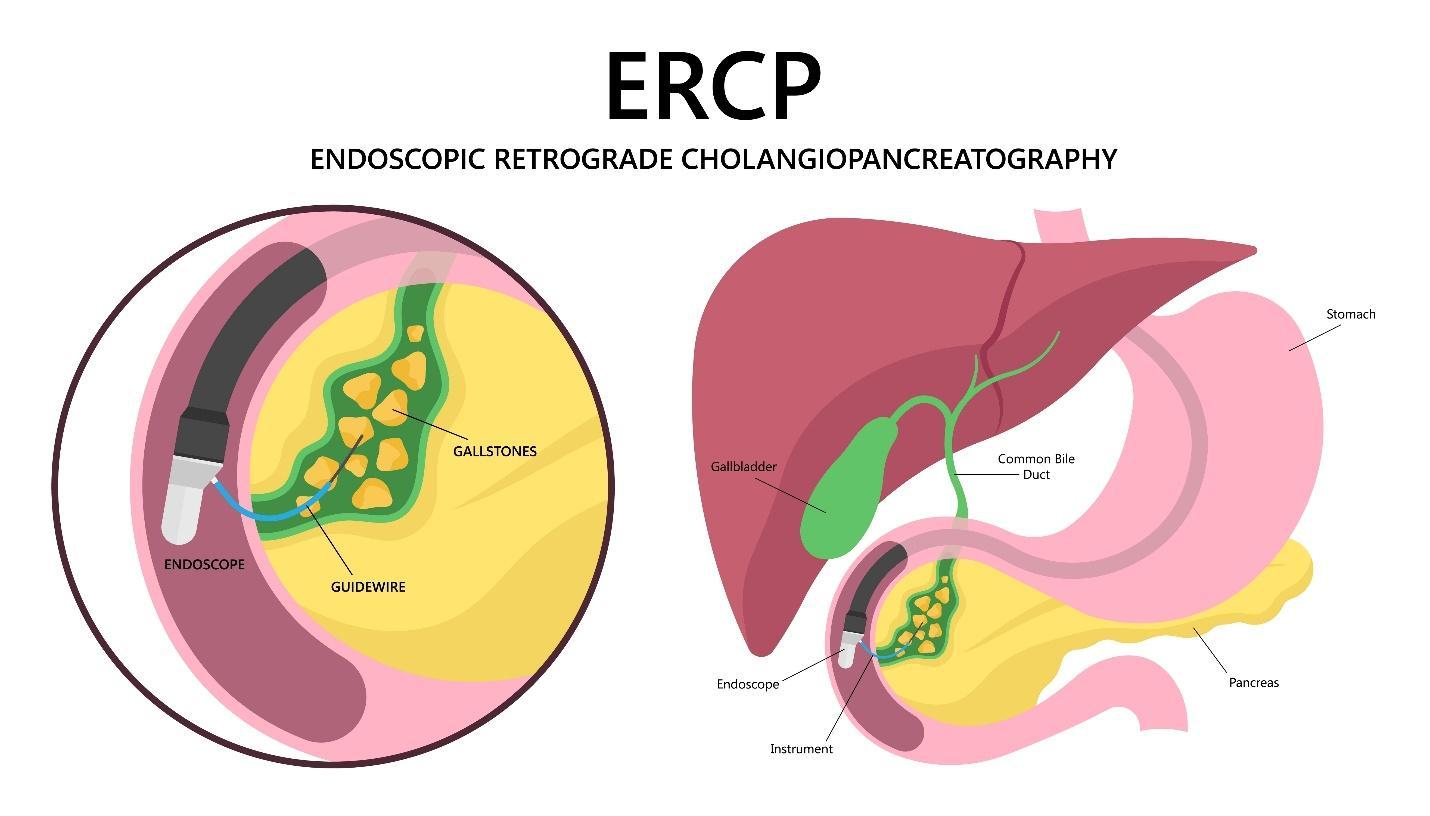
Bile duct stones with jaundice and cholangitis are a medical emergency because the stone obstructs bile flow, causing infected bile to become trapped under pressure within the biliary system. This environment allows bacteria to multiply rapidly and, as pressure rises, bacteria and toxins can be forced into the bloodstream, leading to bacteraemia and sepsis. Antibiotics alone are insufficient because they cannot effectively clear an infection behind an ongoing obstruction. Without urgent biliary drainage, typically via ERCP, the condition can quickly progress to septic shock, organ failure and death, which is why immediate intervention is critical.
Immediate management generally includes:
Urgent biliary decompression |
|
Broad-spectrum intravenous antibiotics |
|
Supportive care |
|
For acute cholangitis, drainage saves lives — antibiotics alone are not enough.
* This information is intended for general educational purposes only and does not constitute medical advice. The management of bile duct stones and cholangitis varies depending on individual clinical circumstances. It is important to seek prompt assessment and guidance from a qualified doctor for an accurate diagnosis and appropriate treatment.
Bile duct stones form when something interferes with the normal flow, composition or drainage of bile. Although many stones begin in the gallbladder, others can develop directly within the ducts. The process usually involves changes in bile chemistry, sluggish movement of bile or structural problems within the ducts themselves.
Some of the factors may include:
The condition often causes noticeable and escalating symptoms, such as:
When bile flow becomes sluggish or the gallbladder produces stones more frequently, the likelihood of bile duct stones increases. These factors raise the risk:
A blocked bile duct places significant strain on the liver and digestive system. When treatment is delayed, it can lead to serious complications, such as:
When bile flow becomes obstructed or infection is suspected, a careful and timely assessment is essential. Because symptoms can overlap with other abdominal or liver conditions, Dr Aaron Poh relies on a combination of history-taking, blood investigations and imaging to pinpoint the cause and identify any complications.
The process typically involves:
Prompt treatments are crucial because a blocked bile duct can rapidly progress from discomfort to a serious infection. Management is tailored to the patient’s condition, the severity of symptoms and the presence of complications such as cholangitis or pancreatitis.
Generally, it includes:
Bile duct stones can lead to serious complications when they block the flow of bile, especially when jaundice or infection develops. That is why early diagnosis and timely treatment are essential, as they help to protect the liver, clear the obstruction and prevent severe cholangitis.
If you are experiencing persistent upper abdominal pain, fever or yellowing of the eyes or skin, do not ignore these warning signs. Dr Aaron Poh provides prompt assessment, accurate diagnosis and evidence-based treatment to help you recover safely.
Book a consultation today to receive a prompt diagnosis with a personalised treatment plan.

Dr Aaron Poh obtained his M.B.B.S (Bachelor of Medicine & Bachelor of Surgery) from the National University of Singapore in 2004. He then entered the MOH General Surgical training programme in 2006 and obtained his Fellowship from the Royal College of Surgeons of Edinburgh (F.R.C.S Edinburgh) in 2015. He was also accepted into the Colorectal Fellowship programme in the Queen Elizabeth Hospital in Birmingham, UK in 2014. His special interest is in minimally invasive colorectal cancer surgery and exenterative surgery for advanced cancers.


Patients are advised to have a consultation with our Surgical Specialist, Dr Aaron Poh to first understand your condition and concerns. After referring you to the appropriate screening tests, he will advise you of your diagnosis and treatment options after the tests and scopes


Copyright © Gallstones Doctor Singapore by Alpine Surgical Practice | Terms & Conditions

Copyright © Gallstones Doctor Singapore by Alpine Surgical Practice | Terms & Conditions