Nausea After Fatty Foods: Could It Be Gallstones?
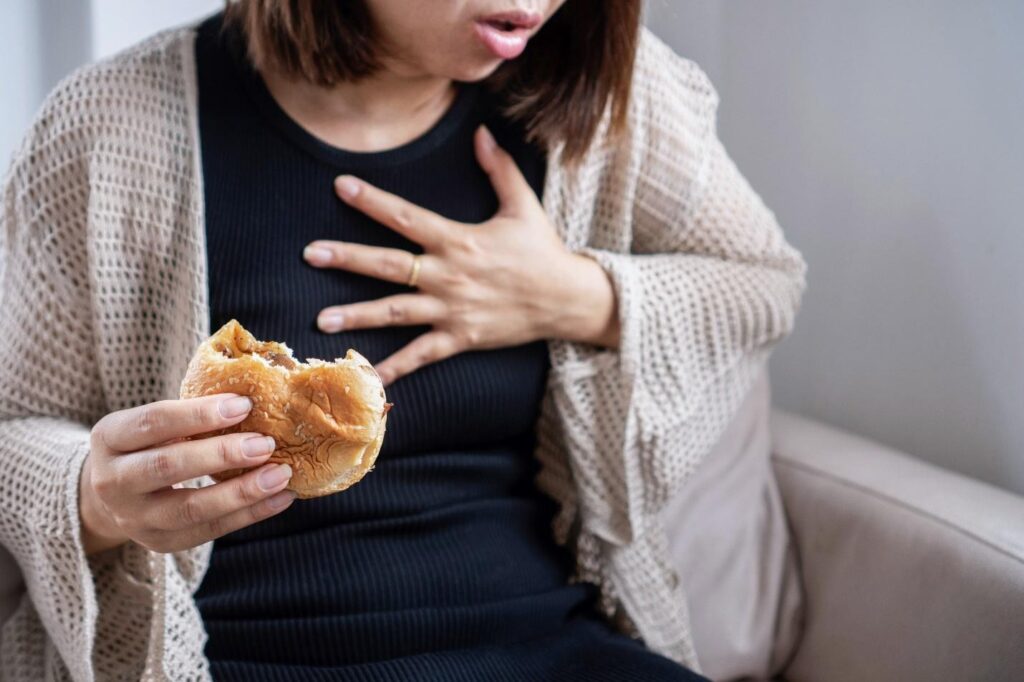
nausea after fatty foods gallstones Singapore.
Nausea after eating fatty foods may sometimes be linked to gallbladder problems, including gallstones that affect bile flow and digestion.

A rich meal can sometimes leave you feeling uncomfortable. Perhaps you notice bloating after eating fried foods, feel unusually full after a heavy meal or experience nausea that seems to appear after foods that are higher in fat.

For many people, these symptoms are temporary and may simply reflect eating too much or consuming foods that are harder to digest. However, when nausea repeatedly occurs after fatty meals, particularly when it is accompanied by upper abdominal pain, indigestion or other digestive symptoms, it may be a sign of an underlying digestive condition.

One possible cause is gallstones, which can interfere with the normal release of bile needed to digest fats. The gallbladder stores and releases bile, a digestive fluid produced by the liver that helps break down fats [1]. When gallstones develop, they may disrupt the normal flow of bile [2], particularly after fatty meals when the gallbladder contracts to release more bile. As a result, some people notice symptoms after eating foods such as fried dishes, fatty meats, creamy sauces or other high-fat meals.

However, nausea after eating fatty foods does not automatically mean you have gallstones. Many digestive conditions can cause similar symptoms, making it important to consider the overall pattern of your symptoms. This guide explains why nausea may occur after eating fatty foods, how gallstones contribute to these symptoms, what other conditions may produce similar symptoms and when to seek medical advice.

Why do fatty foods trigger nausea?
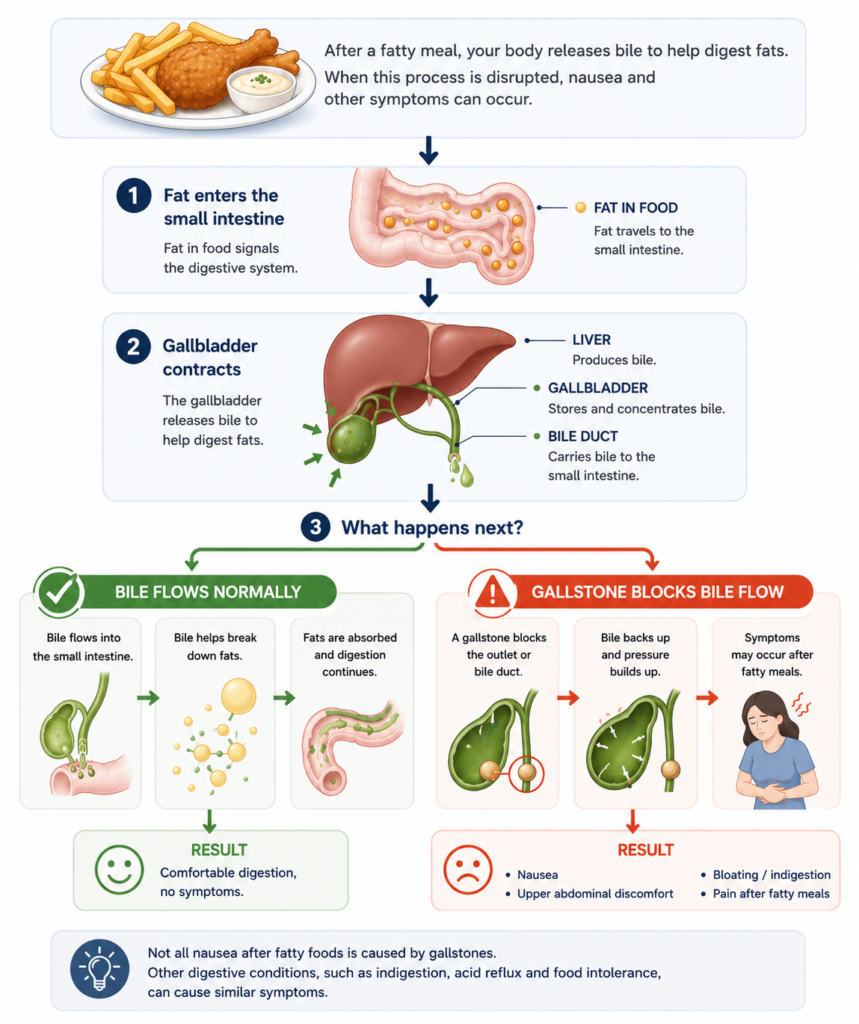
Medical infographic illustrating how fatty foods trigger bile release, comparing normal bile flow with gallstone obstruction that can lead to nausea, upper abdominal discomfort and pain after meals.
After eating fatty foods, the gallbladder releases bile to aid fat digestion. If gallstones obstruct bile flow, symptoms such as nausea, upper abdominal discomfort and pain may occur.

After eating a meal that contains fat, your digestive system releases hormones that signal the gallbladder to contract and release bile, a digestive fluid produced by the liver that helps break down fats [3]. Under normal circumstances, this process occurs without causing symptoms.

However, when this process is disrupted, such as by gallstones interfering with the normal flow of bile, nausea and other digestive symptoms may occur. If gallstones are present, the gallbladder's contraction after a fatty meal may temporarily interfere with the normal flow of bile [4], leading to nausea, upper abdominal discomfort or pain.

Foods that commonly trigger symptoms include:

Not everyone experiences symptoms after eating fatty foods, and not every episode of nausea is caused by gallstones. Whether symptoms occur depends on the underlying cause, as well as factors such as the size and location of any gallstones, whether bile flow becomes temporarily blocked and how the gallbladder responds during digestion.

While reducing fatty foods may help minimise symptoms, dietary changes do not remove existing gallstones [5] or treat the underlying condition. If symptoms continue to recur, further assessment may be needed to determine whether gallstones or another digestive disorder is responsible.

Is nausea after fatty foods always caused by gallstones?

No. Gallstones are one possible cause of nausea after eating fatty foods, but they are not the only one. Other digestive conditions include:

CausesHow it may cause nausea after fatty foods
Indigestion (Functional Dyspepsia)
A sensitive upper digestive tract can cause symptoms such as early fullness, bloating, upper abdominal discomfort and nausea after eating, even when no structural abnormality is present.
Acid Reflux or Gastroesophageal Reflux Disease (GERD)
Fatty foods can relax the lower oesophageal sphincter, allowing stomach acid to flow back into the oesophagus. This may cause heartburn, an acid taste, chest discomfort and nausea. 
Food Intolerance
Difficulty digesting certain foods, such as dairy or other ingredients, may lead to nausea, bloating and abdominal discomfort after meals.
Pancreatic Conditions
Because the pancreas produces enzymes that help digest fats, conditions affecting the pancreas can sometimes cause nausea or abdominal pain after fatty meals.
Gallbladder Conditions Other Than GallstonesGallstones are not the only gallbladder disorder that may cause symptoms. Cholecystitis, bile duct stones, gallbladder polyps and gallbladder dysfunction may also cause similar symptoms.

Many digestive conditions can produce similar symptoms, which is why nausea after eating fatty foods should not be self-diagnosed.

When might it be gallstones?

Nausea alone is not enough to confirm gallstones. However, certain symptom patterns make gallbladder disease more likely:

If you experience one or more of these symptoms, particularly if they recur after eating fatty foods, it is advisable to seek medical assessment to determine whether gallstones or another digestive condition may be responsible.

How do gallstones actually cause nausea?

Gallstones only cause symptoms when they interfere with the normal flow of bile. Gallstones do not always cause symptoms, and many are discovered incidentally during an ultrasound performed for another reason.

Symptoms develop when a gallstone temporarily blocks the normal flow of bile. After eating a fatty meal, the gallbladder contracts to release bile into the small intestine to help digest fats. If a gallstone obstructs the gallbladder outlet or bile duct, pressure builds within the gallbladder, which can trigger symptoms such as nausea, upper abdominal pain and vomiting [6].

If the blockage resolves, symptoms may settle on their own. However, if the obstruction persists, it can lead to complications such as acute cholecystitis, bile duct stones, cholangitis or gallstone pancreatitis, which require prompt medical attention.

How are gallstones diagnosed?
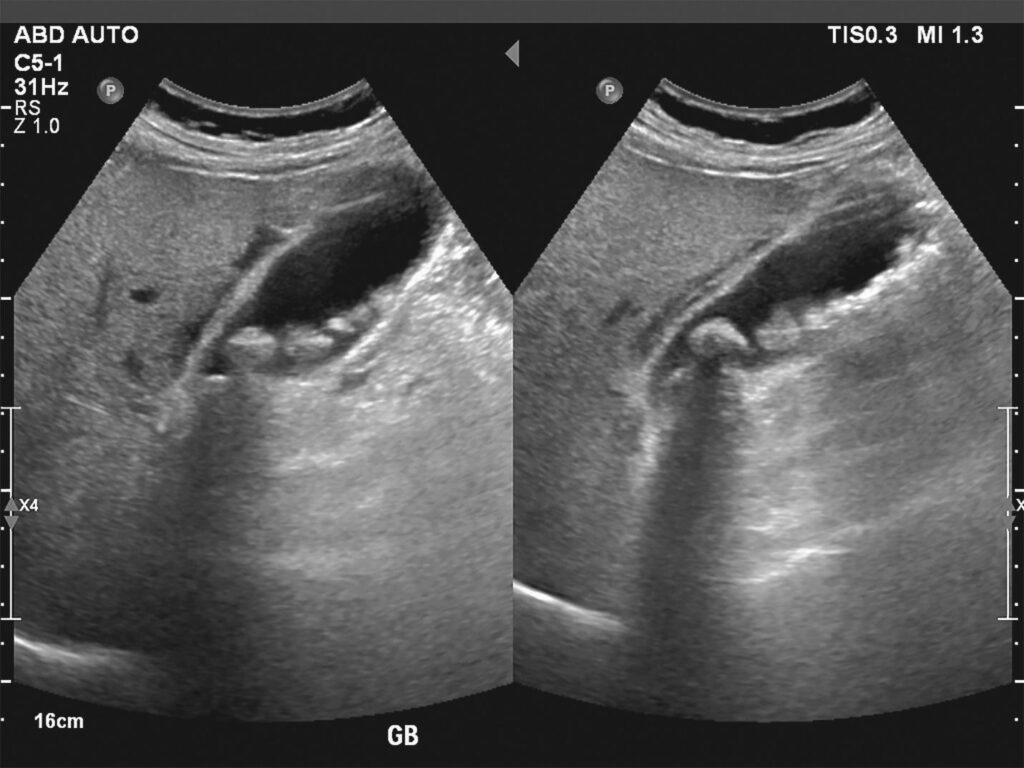
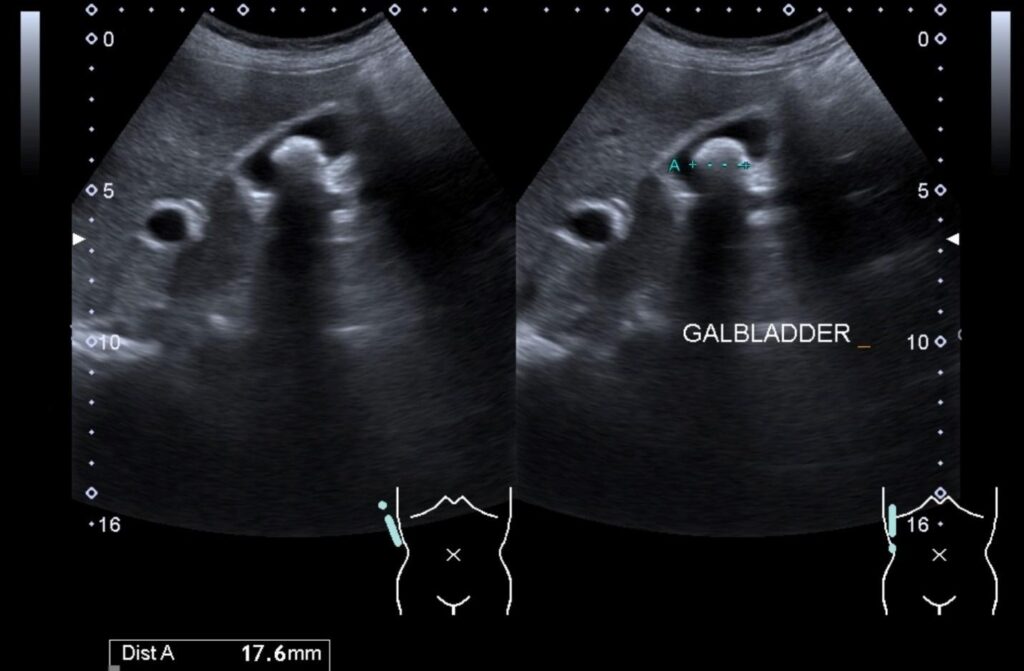
ultrasound diagnosis of gallstones Singapore.
Ultrasound is commonly used to detect gallstones and assess the condition of the gallbladder.

If gallstones are suspected, our doctor will assess your symptoms, medical history and overall health before recommending appropriate investigations.

Medical history and symptoms

Our doctor may ask about:

The overall pattern of symptoms helps determine whether gallbladder disease is likely.

Physical examination

Your abdomen may be examined for tenderness or signs of inflammation. Although a physical examination cannot confirm gallstones, it provides useful information alongside your symptoms and investigation results.

Abdominal ultrasound

Ultrasound is the preferred first-line imaging test for diagnosing gallstones [7] because it is non-invasive and does not involve radiation. It can identify:

A confirmed diagnosis helps determine whether observation, lifestyle measures or treatment is the most appropriate next step.

How are symptomatic gallstones treated?

Observation for asymptomatic gallstones

Gallstones that are discovered incidentally and are not causing symptoms often do not require immediate treatment. Many people remain symptom-free throughout their lives, so regular monitoring rather than surgery is usually recommended. Our doctor may advise follow-up if symptoms develop or if there are concerns about future complications.

Surgery for symptomatic gallstones

When gallstones cause recurrent pain, nausea after meals or other gallbladder-related symptoms, laparoscopic cholecystectomy is generally the recommended definitive treatment [8]. This minimally invasive procedure removes the gallbladder, preventing future gallstone attacks by removing the organ where gallstones form.

If complications such as acute cholecystitis, bile duct obstruction, cholangitis or gallstone pancreatitis occur, treatment may become more urgent.

Are non-surgical treatments suitable?

Some patients hope to avoid surgery by dissolving gallstones with medication. While bile acid medicines may have some help in dissolving certain cholesterol gallstones, they are only suitable for selected patients, and treatment may take up to two years to achieve partial stone dissolution

Medication is generally less effective than surgery for symptomatic gallstones, and gallstones may recur after treatment is stopped. As a result, laparoscopic cholecystectomy remains the most established long-term treatment for patients with recurrent symptoms or gallstone-related complications.

Understanding your symptoms and taking the next step
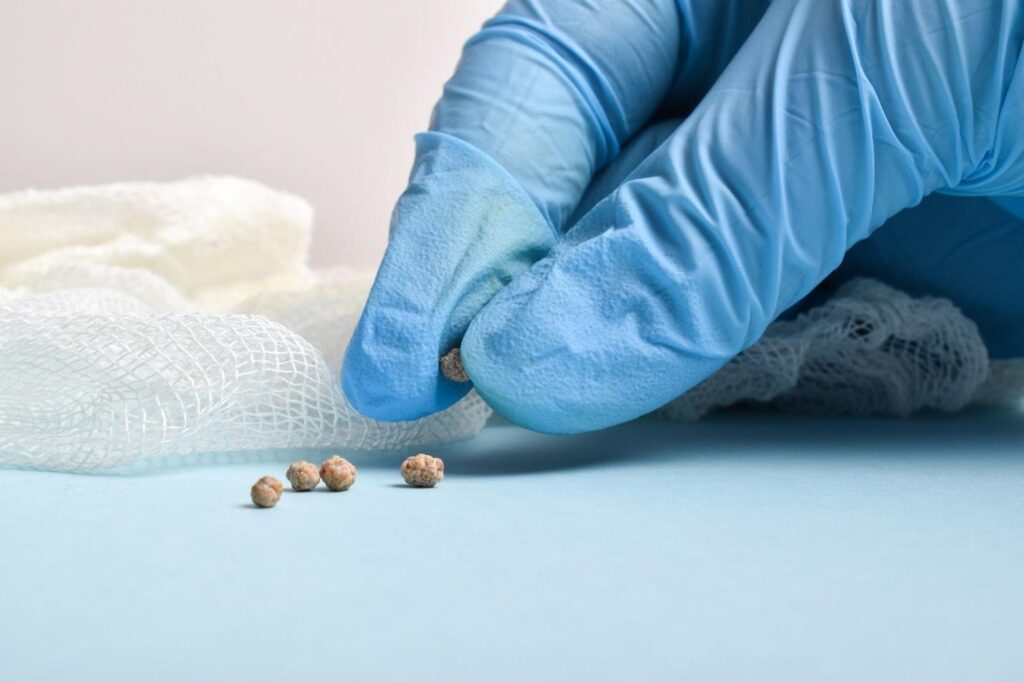
gallbladder specialist consultation Singapore
Understanding the connection between fatty foods, nausea and gallbladder health can help you recognise when specialist assessment may be needed.

Hopefully, this guide has helped you better understand why nausea can occur after eating fatty foods and why it does not necessarily mean you have gallstones. Many digestive conditions can produce similar symptoms, and identifying the underlying cause is the first step towards appropriate treatment.

However, if your nausea occurs repeatedly after fatty meals, is accompanied by upper abdominal pain, vomiting, fever, jaundice or other persistent digestive symptoms, it is important not to ignore it. A medical assessment can help determine whether gallstones or another digestive condition is responsible.

At Alpine Surgical, Dr Aaron Poh provides comprehensive assessment and treatment for gallstones and other gallbladder conditions. Through a detailed evaluation, he can identify the underlying cause of your symptoms and recommend a personalised management plan, whether that involves observation, lifestyle modifications or surgical treatment when appropriate. Schedule a consultation for a detailed diagnosis and a personalised treatment plan tailored to your condition.

References

  1. Felman, A. (2024, September 27). What to know about the gallbladder. Medicalnewstoday.Com; Medical News Today. https://www.medicalnewstoday.com/articles/gallbladder-function 
  2. Jones, M. W., & Ghassemzadeh, S. (2024). Gallbladder Gallstones (Calculi). Nih.Gov; StatPearls Publishing. https://www.ncbi.nlm.nih.gov/books/NBK459370/
  3. Marciani, L., Cox, E. F., Hoad, C. L., Totman, J. J., Costigan, C., Singh, G., Shepherd, V., Chalkley, L., Robinson, M., Ison, R., Gowland, P. A., & Spiller, R. C. (2013). Effects of various food ingredients on gallbladder emptying. European journal of clinical nutrition, 67(11), 1182–1187. https://doi.org/10.1038/ejcn.2013.168
  4. Jones, M. W., & Ghassemzadeh, S. (2024). Gallbladder Gallstones (Calculi). Nih.Gov; StatPearls Publishing. https://www.ncbi.nlm.nih.gov/books/NBK459370/
  5. Cholelithiasis | Nutrition Guide for Clinicians. (2011). Pcrm.Org. https://nutritionguide.pcrm.org/nutritionguide/view/Nutrition_Guide_for_Clinicians/1342013/all/Cholelithiasis
  6. Coucke, E. M., & Lopez, P. P. (2022, November 26). Biliary Obstruction. Nih.Gov; StatPearls Publishing. https://www.ncbi.nlm.nih.gov/books/NBK539698/
  7. Yu, M. H., Kim, Y. J., Park, H. S., & Jung, S. I. (2020). Benign gallbladder diseases: Imaging techniques and tips for differentiating with malignant gallbladder diseases. World journal of gastroenterology, 26(22), 2967–2986. https://doi.org/10.3748/wjg.v26.i22.2967
  8. Shabanzadeh D. M. (2023). The Symptomatic Outcomes of Cholecystectomy for Gallstones. Journal of clinical medicine, 12(5), 1897. https://doi.org/10.3390/jcm12051897
Open vs Laparoscopic Gallbladder Surgery: What’s the Difference?

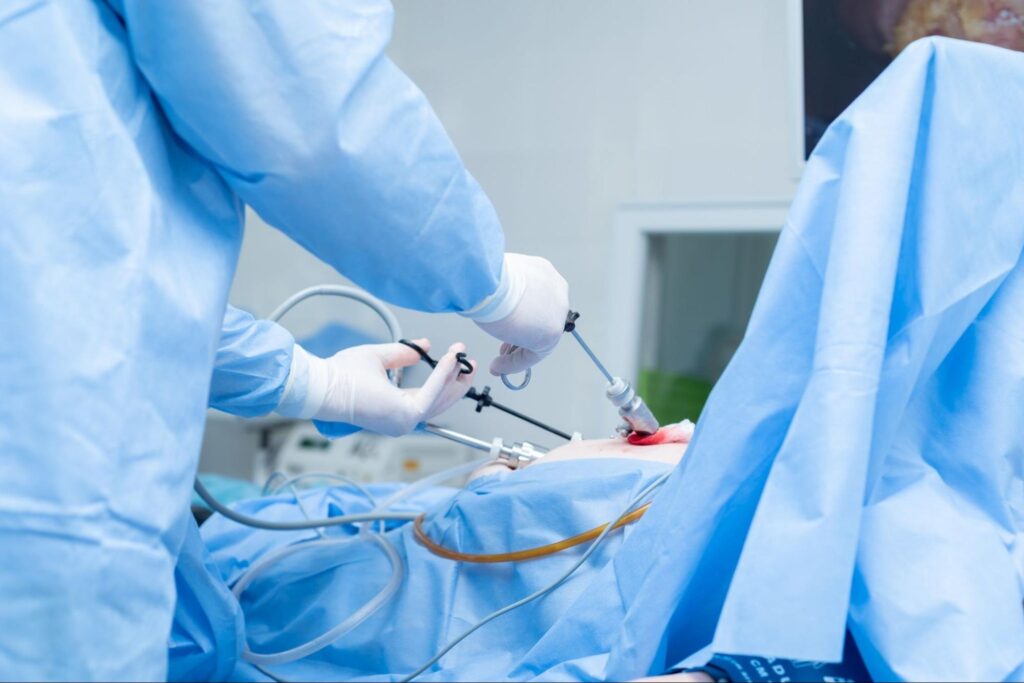
Laparoscopic gallbladder surgery procedure using keyhole incisions
Laparoscopic gallbladder surgery is a minimally invasive procedure to remove the gallbladder through small incisions using a camera and specialised instruments.

Being told that you need gallbladder surgery often brings a mixture of relief and uncertainty. Relief because there may finally be a solution to recurring pain, gallstone attacks or inflammation. Uncertainty because many patients are unfamiliar with the different surgical approaches available and what they may mean for treatment and recovery.

One of the most common questions patients ask is whether they will undergo laparoscopic gallbladder surgery or open gallbladder surgery. Both procedures are performed to remove the gallbladder and treat conditions such as gallstones, cholecystitis, gallbladder polyps and certain gallstone-related complications. However, the way the surgery is performed, the size of the incisions, the recovery process and the situations in which each approach may be recommended can differ significantly.

Understanding these differences can help you make sense of your treatment options and feel more confident when discussing surgery with your surgeon. It can also provide reassurance that the recommended approach is based on what is safest and most appropriate for your individual condition and needs. 

What is gallbladder surgery for?

Gallbladder surgery, also known as a cholecystectomy, is performed to remove the gallbladder when it becomes a source of symptoms or complications. The gallbladder is a small organ located beneath the liver that stores bile, a digestive fluid that helps break down fats.

While the gallbladder plays a role in digestion, it is not essential for survival. After gallbladder removal, bile continues to flow directly from the liver into the digestive tract.

Gallbladder surgery may be recommended for conditions such as:

Regardless of the surgical approach used, the aim of treatment is to remove the diseased gallbladder, prevent recurrent symptoms and reduce the risk of future complications.

What is open gallbladder surgery?

open gallbladder surgery Singapore
Open gallbladder surgery provides direct access to the gallbladder through a larger abdominal incision.

Open gallbladder surgery is a traditional surgical approach that removes the gallbladder through a single long incision in the upper abdomen. This incision allows the surgeon to directly view and access the gallbladder, bile ducts and surrounding structures during the procedure.

The operation is performed under general anaesthesia, meaning you will be asleep throughout the surgery. After making the incision, the surgeon carefully separates the gallbladder from the liver, identifies the cystic duct and blood vessels supplying the gallbladder and removes the organ. The surgical site is then checked before the incision is closed.

Although laparoscopic surgery is commonly performed today, open gallbladder surgery remains an important option in selected situations. It may be recommended when there is severe inflammation, significant scar tissue from previous surgery, complex anatomy or other factors that make a minimally invasive approach less suitable.

Open surgery may also be required if unexpected findings arise during a laparoscopic procedure and direct access is needed to ensure patient safety.

What is laparoscopic gallbladder surgery?

Laparoscopic gallbladder surgery, also known as keyhole gallbladder surgery, is a minimally invasive technique used to remove the gallbladder through several small incisions in the abdomen.

The procedure is performed under general anaesthesia. Rather than making a single large incision, the surgeon inserts a high-definition camera and specialised instruments through small openings in the abdominal wall. Images from the camera are displayed on a monitor, allowing the surgeon to perform the operation with a magnified view of the surgical area.

Laparoscopic cholecystectomy is widely used for conditions such as symptomatic gallstones, cholecystitis, gallbladder polyps and certain gallstone-related complications. For many patients, the minimally invasive nature of the procedure may result in smaller scars, less postoperative discomfort and a faster return to normal activities compared with traditional open surgery.

However, while laparoscopic surgery is suitable for many patients, the most appropriate approach depends on the severity of the condition, individual anatomy and the surgeon's assessment of what can be performed most safely.

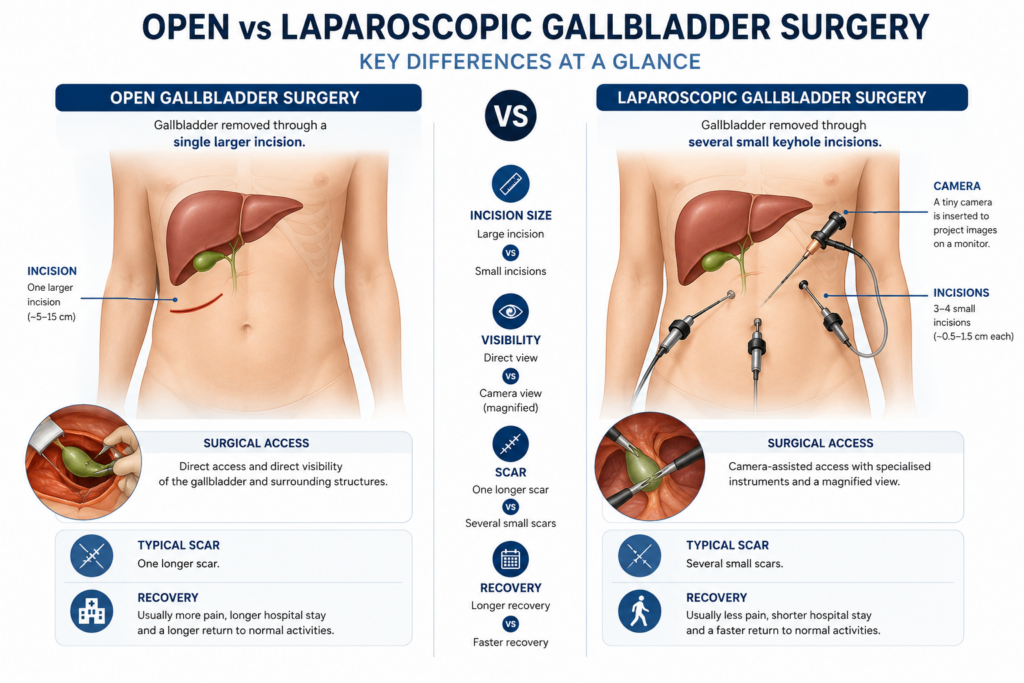
Open vs Laparoscopic Gallbladder Surgery: Key differences at a glance

open vs keyhole gallbladder surgery
Illustrative diagram showing the key differences between open and keyhole gallbladder surgery

While both procedures are designed to remove the gallbladder and treat the same underlying conditions, there are several important differences in how they are performed and what patients can generally expect during recovery. These differences include the size of the incisions, the degree of tissue disruption, the length of hospital stay and the time required to return to normal activities.

The table below provides a general comparison between laparoscopic and open gallbladder surgery. However, it is important to remember that individual outcomes vary and the most appropriate surgical approach depends on the patient's condition, anatomy and overall health.

FEATURELAPAROSCOPIC SURGERYOPEN SURGERY
Surgical approachMinimally invasive (keyhole surgery)Traditional open operation
IncisionsSeveral small incisionsOne larger incision
VisualisationCamera assistedDirect visualisation
Tissue disruptionGenerally lessGenerally more
ScarringSmaller scarsLarger scar
Postoperative discomfortUsually lessOften greater initially
Hospital stayTypically shorterOften longer
Recovery timeUsually fasterUsually longer
Return to daily activitiesEarlierMore gradual
Suitable forMany routine gallbladder conditionsComplex or selected cases

What determines which type of gallbladder surgery is better?

When comparing open and laparoscopic gallbladder surgery, many patients naturally want to know which procedure is better. However, there is no single approach that is universally better for every patient or every gallbladder condition.

Instead, the most appropriate surgical approach depends on factors such as:

For many patients with uncomplicated gallstones or gallbladder disease, laparoscopic surgery is a suitable option because it is minimally invasive and is often associated with a faster recovery. However, laparoscopic surgery is also the first approach for complex cases involving acute gallbladder inflammation. Laparoscopic surgery has advanced to the point that more than 90% of gallbladder surgeries are performed as such. Open surgery however still has a small but significant role in gallbladder surgery .

The goal of gallbladder surgery is not simply to use the least invasive technique possible. Rather, it is to remove the gallbladder safely while minimising the risk of complications. For this reason, surgeons carefully evaluate each patient's condition before recommending the most suitable approach.

Can everyone have laparoscopic (keyhole) gallbladder surgery?

Laparoscopic gallbladder surgery is widely performed and is suitable for many patients with gallstones and other gallbladder conditions. However, not everyone is an ideal candidate for a keyhole approach.

In some situations, open gallbladder surgery may be safer or provide better access to the gallbladder and surrounding structures. The decision is not based on preference alone, but on what allows the operation to be performed as safely as possible.

Factors that may influence whether laparoscopic surgery is suitable include:

In some cases, a procedure that begins laparoscopically may need to be converted to an open operation. This decision is made when an open approach would provide safer access, better visualisation or greater control during surgery. Conversion should not be viewed as a complication, but rather as a measure taken to prioritise patient safety.

What is recovery like after gallbladder surgery?

Recovery after gallbladder surgery varies depending on the surgical approach used, the severity of the underlying condition and an individual's overall health.

In general, patients who undergo laparoscopic gallbladder surgery tend to experience a shorter hospital stay, less postoperative discomfort and a faster return to daily activities compared to those who require open surgery. This is largely due to the smaller incisions and reduced disruption to surrounding tissues.

However, recovery timelines differ from person to person. Factors such as infection, inflammation, emergency surgery and pre-existing medical conditions can all influence the healing process. Your surgeon will provide personalised advice regarding recovery, activity restrictions and follow-up care based on your individual circumstances.

Which gallbladder surgery is right for you?

While laparoscopic gallbladder surgery is commonly performed and offers several advantages for many patients, it is not necessarily the best option in every situation. Likewise, open gallbladder surgery remains an important and effective treatment approach when it provides safer access or better surgical control.

The most appropriate treatment depends on several factors, including the underlying gallbladder condition, the severity of inflammation or infection, imaging findings, previous surgical history and your overall health. For this reason, treatment decisions are made on an individual basis rather than using a one-size-fits-all approach.

A thorough consultation and diagnostic assessment allow your surgeon to evaluate your condition, discuss the available treatment options and recommend the surgical approach that is most appropriate for your specific needs.

If you have been diagnosed with gallstones, cholecystitis, gallbladder polyps or another gallbladder condition, Dr Aaron Poh provides assessment and surgical management tailored to your individual circumstances. Arrange a consultation to discuss your diagnosis, understand your treatment options and determine the most suitable approach for your condition.

Frequently Asked Questions

Not necessarily. Laparoscopic gallbladder surgery offers several advantages for many patients, including smaller incisions, less postoperative discomfort, shorter hospital stays and faster recovery. For many gallbladder conditions, it is often the preferred and the first approach.

However, "better" does not always mean "safer" for every situation. Severe inflammation, extensive scar tissue, complicated anatomy, perforated gallbladders or certain emergency situations may make an open approach more appropriate.

The best operation is not simply the least invasive one. It is the approach that allows the gallbladder to be removed safely while minimising the risk of complications. This is why surgeons evaluate each patient individually before recommending a treatment plan.

Open surgery may be recommended when there is severe inflammation, significant scar tissue, complicated anatomy, infection or other factors that make a minimally invasive approach less suitable.

Recovery is generally faster following laparoscopic surgery because the incisions are smaller and there is usually less disruption to surrounding tissues.

Most patients experience less postoperative discomfort after laparoscopic surgery, although pain management strategies are available for both procedures.

Yes, both laparoscopic and open surgery can effectively treat gallstones, cholecystitis and many other gallbladder conditions.

Yes, most people continue to live normal lives after gallbladder removal. The liver continues producing bile, which flows directly into the digestive system.

If you have recurring abdominal pain, gallstones, gallbladder inflammation or have been advised that surgery may be needed, an assessment with a specialist can help determine the most appropriate treatment plan.

References

  1. Carraro, A., Mazloum, D. E., & Bihl, F. (2011). Health-related quality of life outcomes after cholecystectomy. World journal of gastroenterology, 17(45), 4945–4951. https://doi.org/10.3748/wjg.v17.i45.4945 
  2. Afdhona Wiranata and M.Sangkai, J. (2025). A Comprehensive Systematic Review of Comparative Outcomes Following Laparoscopic Versus Open Cholecystectomy for Gallbladder Disease: Evidence Synthesis from Randomized Controlled Trials and High-Quality Comparative Studies. The International Journal of Medical Science and Health Research, [online] 19(3), pp.50–76. doi: https://doi.org/10.70070/gypwxh67 
  3. Hassler, K.R. and Jones, M.W. (2023). Laparoscopic cholecystectomy. [online] Nih.gov. Available at: https://www.ncbi.nlm.nih.gov/books/NBK448145/
  4. Husni, M., Jahrami, H., Al Shenawi, H., Alenenzi, S.F., Alhawas, F.N., Asiri, M.A., Haider, F., Alanazi, A.F. and Yaghan, R.J. (2024). Postoperative patient pain severity and its association with anxiety, depression, and sleep quality. Cureus, [online] 16(2). doi: https://doi.org/10.7759/cureus.54553 
  5. Okamoto, K., Suzuki, K., Takada, T., Strasberg, S.M., Asbun, H.J., Endo, I., Iwashita, Y., Hibi, T., Pitt, H.A., Umezawa, A., Asai, K., Han, H.-S., Hwang, T.-L., Mori, Y., Yoon, Y.-S., Huang, W.S.-W., Belli, G., Dervenis, C., Yokoe, M. and Kiriyama, S. (2018). Tokyo Guidelines 2018: flowchart for the management of acute cholecystitis. Journal of hepato-biliary-pancreatic sciences, [online] 25(1), pp.55–72. doi: https://doi.org/10.1002/jhbp.516 
  6. Ravendran, K., Elmoraly, A., Kagiosi, E., Henry, C. S., Joseph, J. M., & Kam, C. (2024). Converting From Laparoscopic Cholecystectomy to Open Cholecystectomy: A Systematic Review of Its Advantages and Reasoning. Cureus, 16(7), e64694. https://doi.org/10.7759/cureus.64694

Case Study (Female, 28 Years Old): Emergency Gallbladder Removal for Gallstones Complicated by Acute Cholecystitis

Gallstones and Why Persistent “Gastric Pain” Should Not Be Ignored

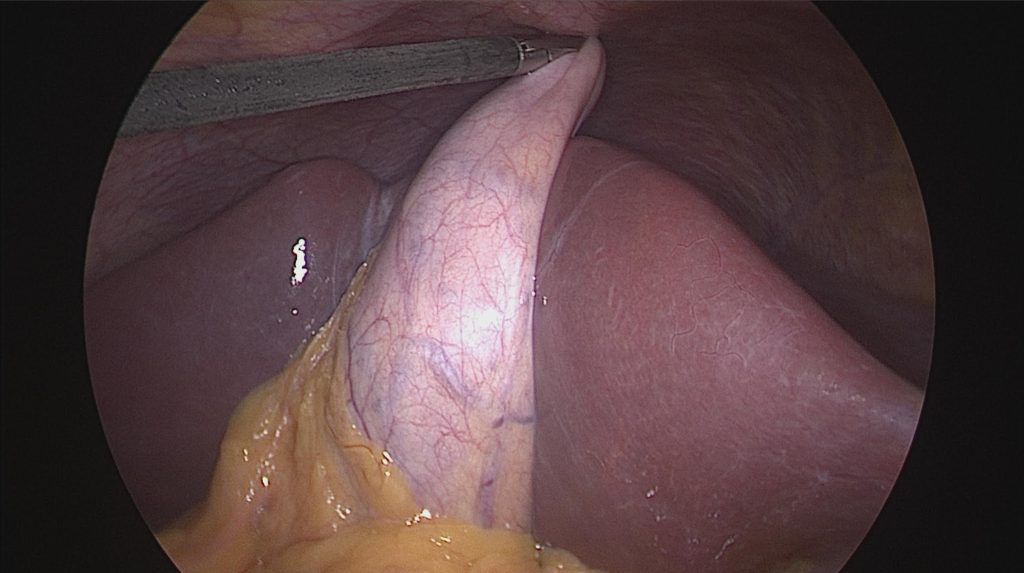
laparoscopic cholecystectomy surgical view of the gallbladder before removal Singapore.
Laparoscopic gallbladder removal offers effective treatment with minimal downtime and scarring.

Digestive discomfort after meals is often attributed to common indigestion, especially when the symptoms are mild, intermittent or seem to settle on their own. However, when this discomfort becomes repetitive or shows a clear pattern, particularly after oily or fried foods, it may be a sign of an underlying gallbladder problem, such as gallstones.

Gallstones are relatively common and may remain unnoticed for years without causing any symptoms. The challenge begins when they start to interfere with digestion. At this stage, patients often experience recurring upper abdominal discomfort, bloating or pain that can sometimes radiate to the back or shoulder area.

Over time, these symptoms tend to become more predictable after meals and may gradually worsen in severity. In some cases, what begins as mild post-meal discomfort can progress to acute inflammation of the gallbladder, requiring urgent medical attention.

This case illustrates how persistent digestive symptoms, initially mistaken for “gastric” discomfort, were eventually linked to gallstones. With timely diagnosis and minimally invasive keyhole surgery (laparoscopic cholecystectomy), the patient was able to achieve a smooth recovery and complete resolution of symptoms.

Patient Background

young female patient abdominal pain gallstones Singapore consultation.
Patient presenting with recurrent upper abdominal discomfort suggestive of gallstone disease.

Miss L is a 28-year-old primary school teacher of average build with no significant past medical history. She was previously well and active.

Presenting Complaint

She presented with a 6-month history of recurrent upper abdominal discomfort, typically described as:

Over time, the symptoms began affecting her quality of life. She started avoiding buffet meals and developed a growing fear of eating due to the unpredictability of the pain.

Clinical Assessment

abdominal ultrasound gallstones two 1cm stones gallbladder Singapore.
Ultrasound scan showing gallstones within the gallbladder.

At her first consultation, her symptoms were highly suggestive of gallstone disease. However, an ultrasound scan of the abdomen confirmed:

Treatment Approach

A diagnosis of symptomatic gallstones was made and Miss L was advised to proceed with a laparoscopic cholecystectomy (keyhole gallbladder removal surgery). Minimally invasive keyhole surgery is the standard treatment for symptomatic gallstones and is associated with fast recovery and minimal scarring.

The risks of surgery were discussed in detail, including:

She opted for surgery, which was scheduled three weeks later after her planned trip to Korea.

In the interim, she was advised to avoid oily and fatty foods to minimise symptom flare-ups.

Emergency Presentation

acute cholecystitis severe abdominal pain emergency admission Singapore gallstones.
Patient presenting to emergency with severe upper abdominal pain due to acute cholecystitis.

Two days before her scheduled surgery, Miss L’s condition progressed rapidly overnight, prompting an emergency hospital admission at 7 am.

What began as post-meal discomfort escalated into severe, persistent upper abdominal pain that started around midnight and progressively worsened, despite rest.

She also developed:

By the time she arrived at the Emergency Department, her symptoms were significantly more severe than her previous episodes, indicating an acute deterioration from her baseline condition.

On examination, there was marked tenderness over the upper abdomen, consistent with acute inflammation of the gallbladder.

She was diagnosed with acute cholecystitis (acute gallbladder infection). Pain relief (Pethidine injection) was given, but provided only partial and temporary relief, highlighting the severity of the inflammation.

Urgent Surgery

Given the acute infection, an urgent decision was made to proceed with surgery immediately. A laparoscopic cholecystectomy was performed the same day at noon. The operation lasted approximately one hour and was completed successfully without complications.

Recovery and Outcome

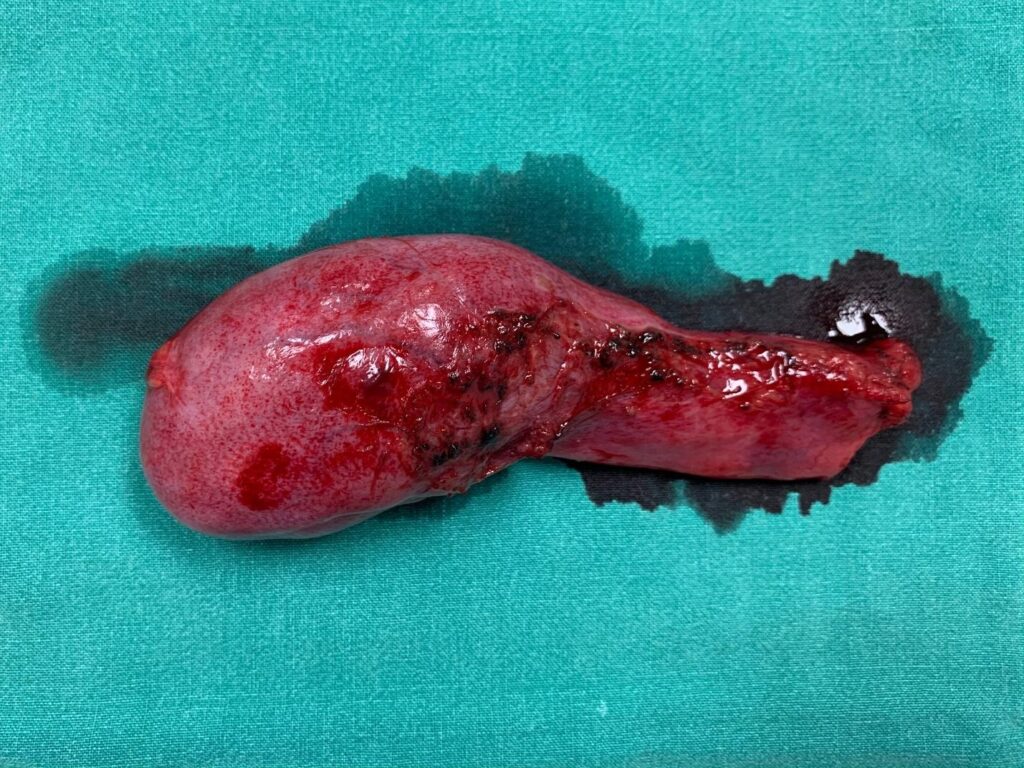
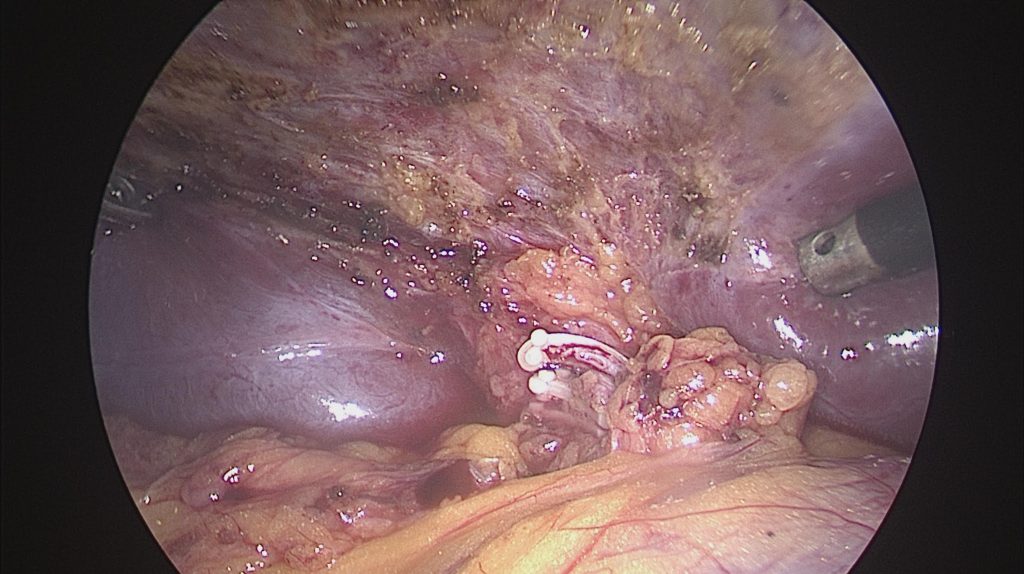
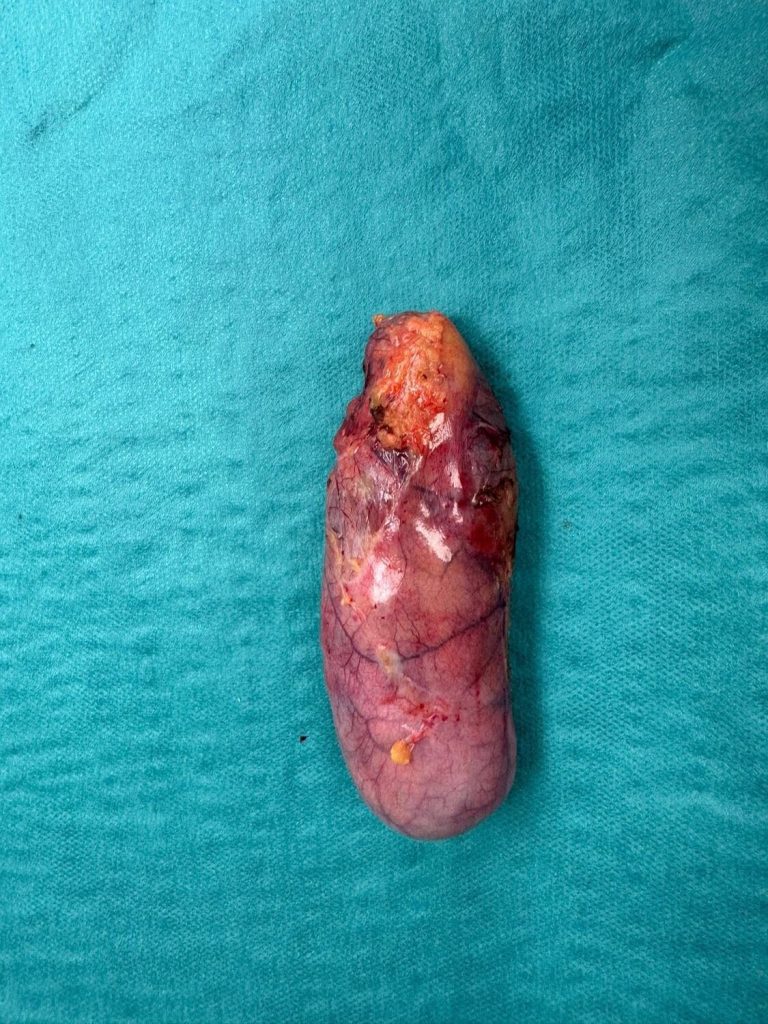
inflamed gallbladder removed during laparoscopic surgery in Singapore.
Laparoscopic gallbladder removal with inflamed gallbladder successfully treated via keyhole surgery.

Post-operatively, Miss L:

She was discharged the following morning. At home, she recovered steadily and returned to normal daily activities within one week.

Post-surgical Findings

Following surgery, Miss L experienced complete resolution of her symptoms:

She was able to resume a normal diet and lifestyle without restrictions.

Key Takeaways

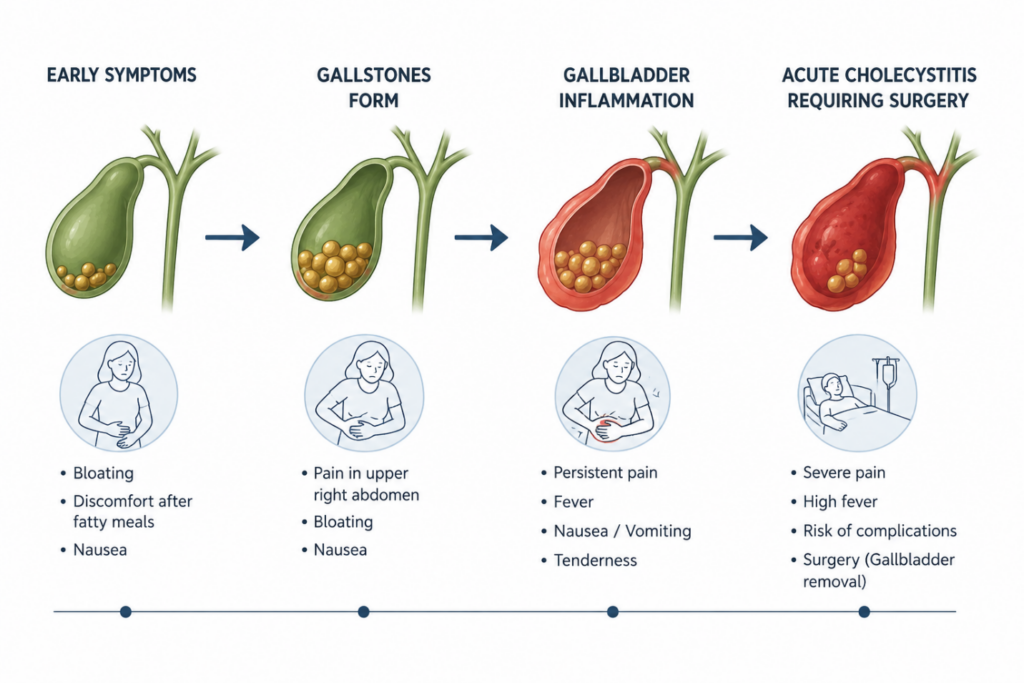
gallstone disease progression diagram symptoms acute cholecystitis laparoscopic surgery Singapore.
Progression of gallstone disease from mild symptoms to acute cholecystitis requiring surgery.

This case highlights a common progression of gallstone disease:

If you are experiencing recurring upper abdominal pain, bloating or discomfort after meals, especially following oily or fried foods, it may be related to gallstones. Early assessment can help prevent progression to more serious complications such as acute gallbladder infection.

Do contact us to arrange a consultation with Dr Aaron Poh for further evaluation and appropriate treatment.

Patient details have been anonymised and modified to protect confidentiality. The information presented is for general educational purposes.

Case Study (Female, 30 Years Old): Gallstones Causing Recurrent Abdominal Pain

Gallstones and the Importance of Early Evaluation

Digestive discomfort after meals is often dismissed as indigestion, especially when symptoms come and go. However, when pain becomes recurrent or begins to follow a clear pattern, particularly after fatty meals, it may point to an underlying gallbladder condition such as gallstones.

Gallstones are a common condition and can remain silent for years. Once symptoms develop, they tend to recur and may worsen over time, occasionally leading to complications if left untreated.

This case study highlights how one patient’s persistent symptoms were linked to gallstones and how timely diagnosis and minimally invasive surgery (keyhole/laparoscopic gallbladder removal) led to a smooth recovery.

Patient Background: Recurrent Post-Meal Discomfort

The patient was a 30-year-old woman with no significant past medical history. She led a generally healthy lifestyle, with no history of smoking or alcohol consumption.

She presented with recurring digestive symptoms that had begun to affect her daily routine.

Presenting Symptoms: A Pattern After Meals

The patient described experiencing:

These episodes were not constant but occurred intermittently, often following meals.

Importantly, she did not report:

While the absence of these symptoms suggested that there was no acute complication, the recurring nature of her discomfort raised concern for an underlying biliary condition.

Clinical Assessment and Findings

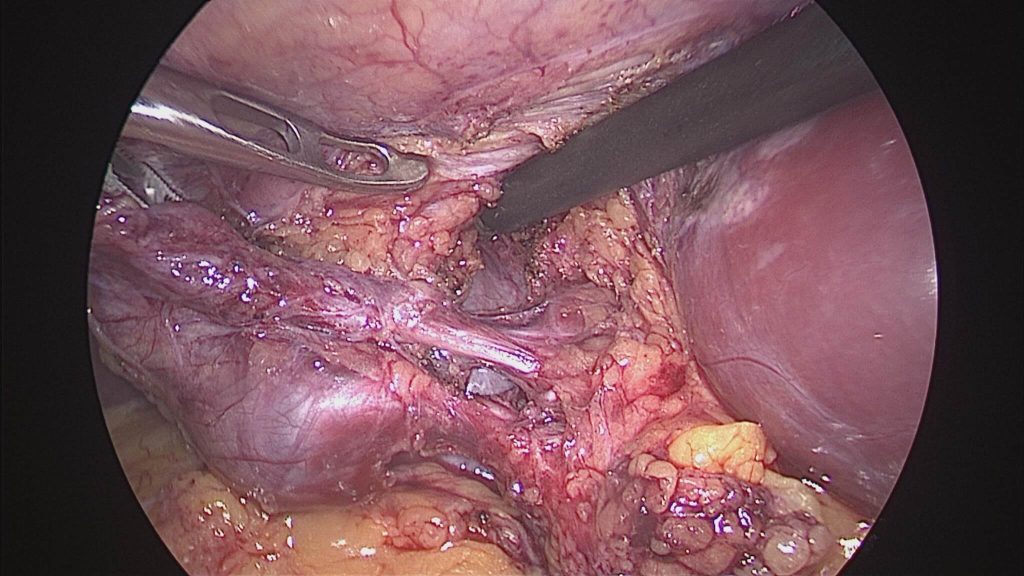
 laparoscopic dissection of the gallbladder during cholecystectomy.
Laparoscopic dissection of the gallbladder, carefully separating it from surrounding structures before removal

Given the pattern of symptoms, further evaluation was performed.

An abdominal ultrasound revealed:

These findings, together with her symptoms, were consistent with symptomatic cholelithiasis (gallstones causing symptoms), with features suggestive of chronic cholecystitis (link to cholecystitis), a condition where the gallbladder becomes repeatedly inflamed over time.

Treatment Approach

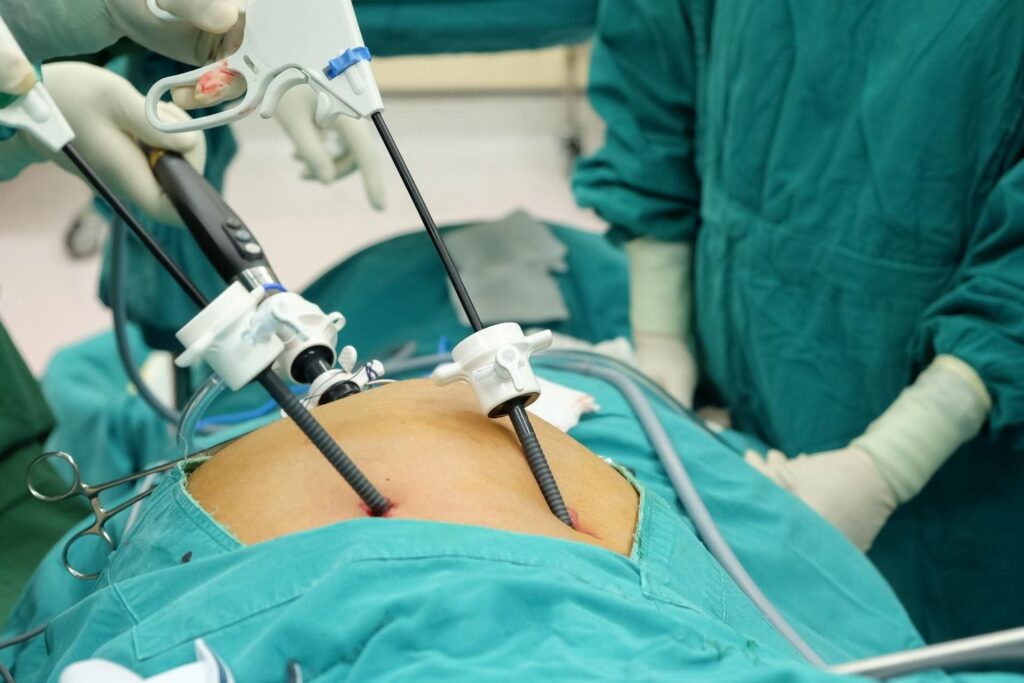
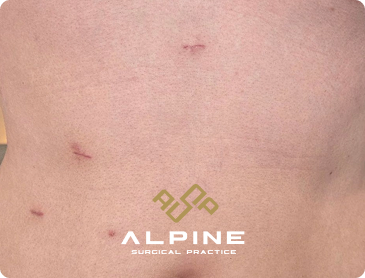
small abdominal incisions for laparoscopic cholecystectomy instruments.
Small keyhole incisions created to allow insertion of laparoscopic instruments for gallbladder removal.

After discussing the findings and available options, the patient proceeded with a laparoscopic cholecystectomy, a minimally invasive procedure to remove the gallbladder.

This approach was recommended because:

Laparoscopic surgery allows for smaller incisions, less post-operative discomfort and faster recovery compared to open surgery.

Procedure and Intraoperative Findings

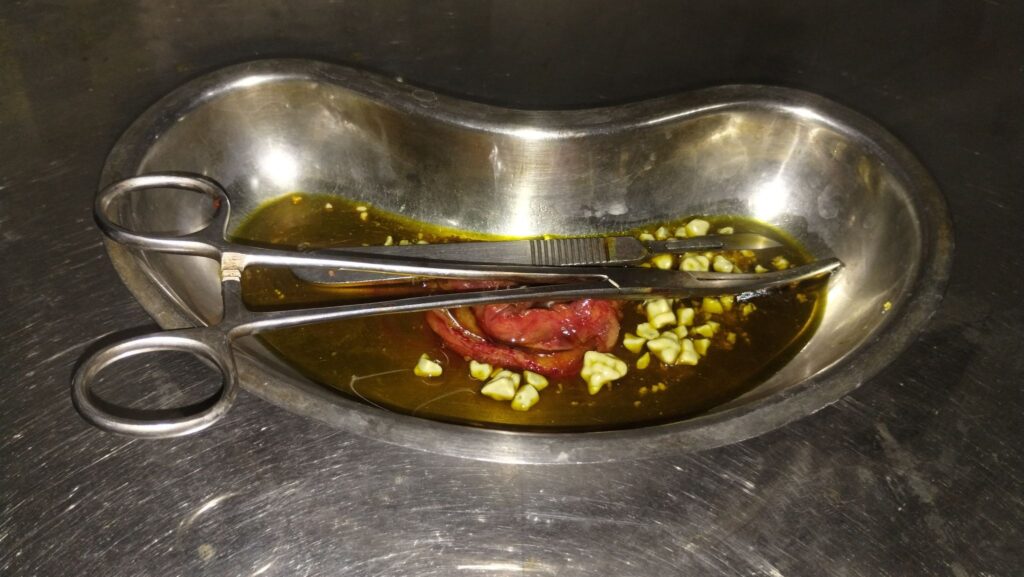
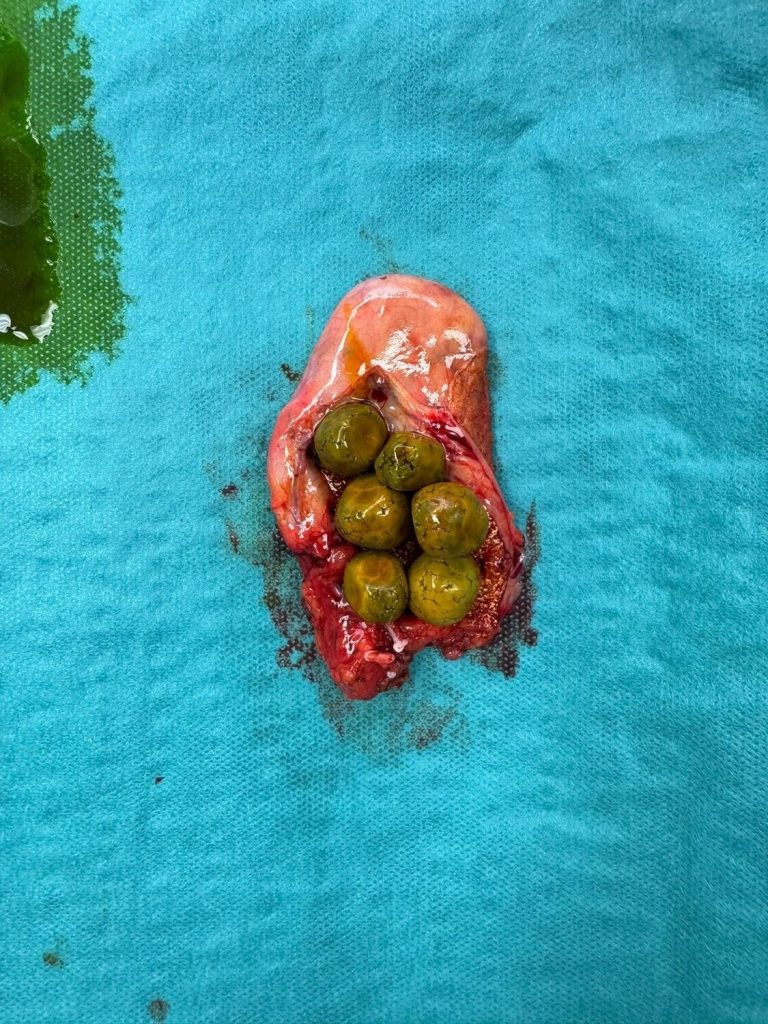
Extracted gallstones following removal, confirming the source of the patient’s symptoms.

The surgery was performed under general anaesthesia using a minimally invasive approach.

During the procedure, the gallbladder was carefully visualised and removed. The intraoperative findings were consistent with preoperative imaging, confirming the presence of gallstones and features of chronic inflammation.

Recovery and Outcome

The patient’s recovery was smooth and uneventful.

She remained clinically stable after the procedure and was discharged well, with no immediate complications.

Following surgery:

Key Takeaways

If you are experiencing recurring pain or discomfort after meals, especially with fatty foods, it is worth getting checked early. Do contact us to schedule an appointment and receive timely treatment for gallstones, which can prevent complications and bring lasting relief.


Patient details have been anonymised and modified to protect confidentiality. The information presented is for general educational purposes.

The Straits Times: Looks Good But Tastes Bad? The Science Behind Food Poisoning

Loading Viewer...

Expat Living: Internal Affairs - Screening to Help Prevent a Common Cancer

Loading Viewer...

The Straits Times: Victims of wife-sharing rape faced real medical risks when given sedatives, alcohol: Doctor

Loading Viewer...

The Straits Times: Food meant for migrant workers left unattended outside dormitories; MOM investigating

Loading Viewer...

Prime Magazine: Blood Work - A New Blood Test for Stomach Cancer

Loading Viewer...

96.3 Hao FM: 《早安,好人帮!》早晨好来宾请来爱骑车趴趴走的肠胃外科 Colorectal Surgeon who loves Mountain Biking

Asia One: Dr Aaron Poh shares Advanced Surgical Techniques for Colorectal Cancer, the Top 3 Most Common Cancer Worldwide

Loading Viewer...

Beyond Medical TV: My Grandma Also Know – Is your Poop Healthy?

88.3Jia: 治疗胃酸逆流有哪些?What are the treatments for acid reflux?

88.3Jia: 胃酸逆流是先天还是后天所致?Acid Reflux: Genetic or Lifestyle?

《最爱粉tastic》with Violet Fenying 陈粉樱: 如何及早发现胃癌并对其进行治疗 Understanding how you can detect & treat Stomach Cancer early

PORTFOLIO Magazine: Bring your A-Game - backed by science

晨光第一线 Channel 8 Morning Express: 我们该如何关爱我们的胃?How can we care for our stomach?

《最爱粉tastic》with Violet Fenying 陈粉樱: 胆囊和胆结石健康对话 Gallbladder & Gallstone Health Talk